 By admin
 Alright, let’s get real about early menopause. This ain’t your grandma’s transition. We’re talking about menopause hitting *before* age 45, and it’s a reality for 5-10% of women. It can sneak up on you, even in your late 30s or early 40s, dropping a bomb when you least expect it. When this hormonal shift happens ahead of the typical 45-55 age bracket, it’s often tagged as premature ovarian insufficiency (POI) if you’re under 40, or simply early menopause between 40-45.
The sudden, brutal drop in essential hormones – especially estrogen and progesterone – can feel like your body’s been hit by a truck. We’re talking about a cascade of disruption: your energy levels plummet, your mood goes haywire, sleep becomes a myth, your sex life takes a hit, and even your bones and heart health are on the line for the long haul. This isn’t just a minor inconvenience; it impacts your entire well-being.
But here’s your power move: catching these signals early. That’s your best shot at managing the chaos, safeguarding your future health, and figuring out if hormone therapy, smart lifestyle tweaks, or a specialist’s intervention is your next crucial step. Below, we’re laying out the 10 most common screaming early warning signs—plus some sneaky, additional clues that many women completely miss. Are you ready to listen to your body?
10 Key Signs of Early Menopause
Irregular Periods or Sudden Changes in Cycle
This is often the very first red flag, ladies. Your once-predictable cycle might go completely rogue. We’re talking periods that are suddenly shorter (less than 25 days), much longer (over 35 days), heavier than a monsoon, lighter than a feather, or just vanish for months on end. Imagine going from clockwork 28-day cycles to a total unpredictable mess in just a year or two. Don’t brush this off!
Hot Flashes & Night Sweats
Suddenly feeling like you’re on fire, a furnace blasting from your chest to your face, then BAM – freezing cold? Welcome to hot flashes, honey. And those night sweats? They’re not just a little dampness; we’re talking full-on sheet-soakers that steal your sleep, even if you’re still rocking your late 30s or early 40s. Don’t let anyone tell you it’s ‘too early’ for this inferno.
Vaginal Dryness & Discomfort During Sex
Listen up: your intimate health can take an early hit. The delicate tissues down there can start thinning and drying out (what experts call genitourinary syndrome of menopause) way sooner than you think. Sex might become painful, you could feel a constant urge to pee, suffer from recurring UTIs, or even notice light spotting after intercourse. This isn’t just uncomfortable; it impacts your quality of life.
Sleep Disturbances
Are you staring at the ceiling for hours? Waking up every hour on the dot? Or waking too early and just can’t get back to sleep—even without the night sweats? Poor sleep isn’t just annoying; it’s a vicious cycle that fuels daytime exhaustion, those infamous mood swings, and that frustrating brain fog. Your body needs rest, and if it’s not getting it, something’s up.
Mood Changes, Anxiety, or Irritability
Your hormones are the puppet masters of your mood, influencing critical pathways like serotonin and GABA. When estrogen levels rapidly dive, it can trigger a storm: new or worsening anxiety, a persistent low mood, sudden tearfulness, snapping at everyone, or even full-blown panic-like episodes. If you feel like you’re losing your emotional grip, this could be why.
Brain Fog & Memory Lapses
Ever walk into a room and forget why? Struggle to find the right words? Feel like your brain is wrapped in cotton wool, or it takes ages to process simple information? Many women describe it as, “My brain just isn’t working like it used to.” This isn’t just ‘getting older’; it’s a genuine symptom of hormonal shifts that impact cognitive function.
Unexplained Weight Gain or Trouble Losing Weight
Here’s a frustrating truth: a slower metabolism, coupled with insulin resistance, disrupted sleep, and stress hormones, can conspire to pack on the pounds. You might notice gradual fat gain, especially around your midsection, even if you haven’t changed a thing in your diet or exercise routine. It feels unfair, but it’s a real hormonal fallout.
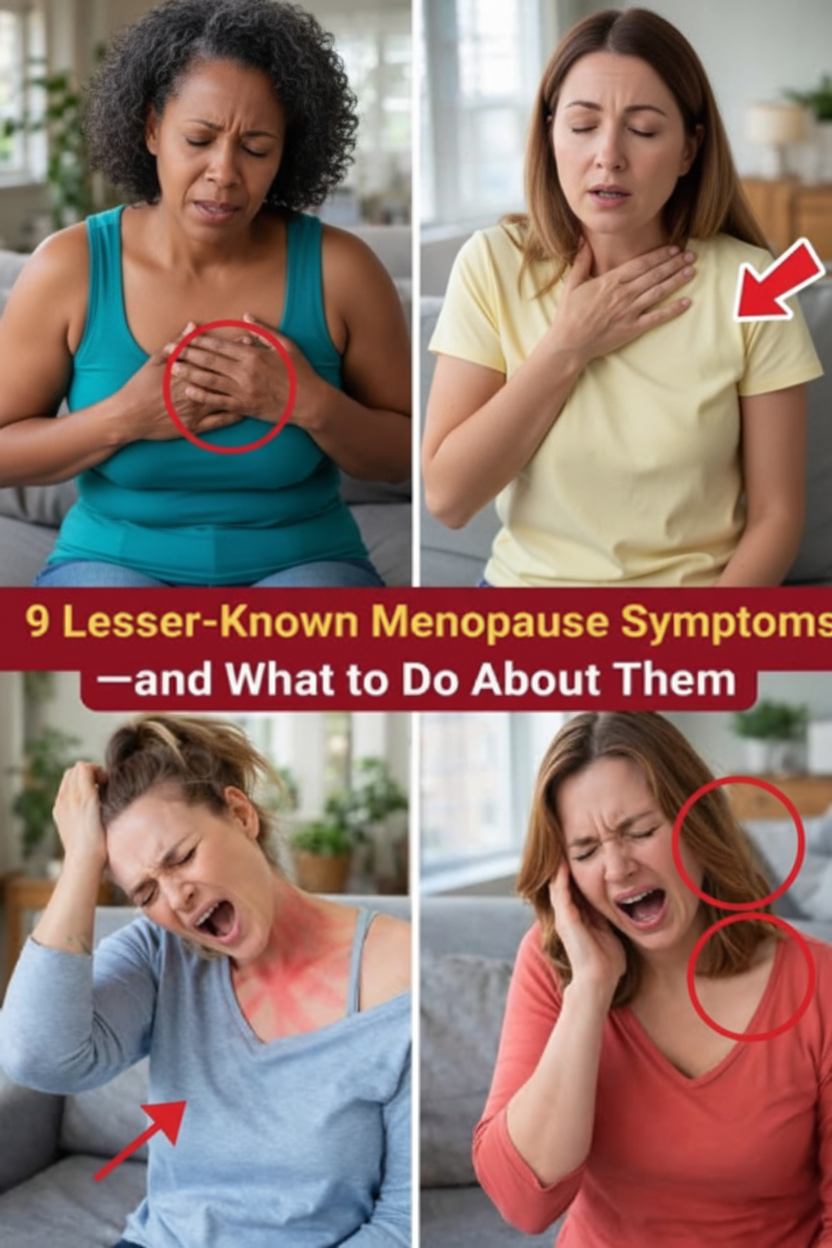
Joint & Muscle Aches
Estrogen isn’t just about reproduction; it also keeps your joints happy and fights inflammation. When those levels drop, you might suddenly experience new or worsening stiffness, aches, or muscle soreness. It’s particularly noticeable in the morning or after you’ve been sitting still for a while. Don’t just blame it on ‘getting old’; your hormones might be screaming for attention.
Hair Thinning or Dryness
Look, your hair tells a story. You might notice your scalp hair becoming finer, shedding more than usual, or thinning noticeably along your part line or at the crown. And while body hair might thin out, you might ironically see an increase in facial hair (think chin or upper lip) due to a shift in androgen dominance. It’s a tell-tale sign your hormones are off-kilter.
Reduced Libido & Sexual Changes
The desire for intimacy can take a nosedive when estrogen and testosterone levels drop. You might experience decreased desire, struggle with arousal, or find that orgasms just aren’t as intense. Combine this with vaginal dryness, and sex can feel less enjoyable or even outright painful. This isn’t something to suffer through in silence.
Additional Signs Often Missed
- Heart palpitations or a racing heart (especially when you’re trying to sleep)
- Dry eyes, dry mouth, or unusually dry skin
- Constant urinary tract infections or that annoying urgency/leakage
- New or worsening headaches/migraines that just won’t quit
- Bone or joint pain that seems to come out of nowhere (a sneaky early signal of declining bone density)
- Those weird electric-shock sensations (sometimes called “brain zaps”) right before a hot flash hits
- Sudden changes in taste or smell, or even a persistent metallic taste in your mouth
- Itchy or crawling skin (a bizarre sensation known as “formication”)
When to See a Doctor
Seriously, don’t play hero. Get yourself to a gynecologist or endocrinologist STAT if you’re experiencing any of these:
- Your periods have completely stopped before you hit age 45.
- You’re battling severe hot flashes, mood swings, or sleep disruptions that are messing with your daily life.
- You notice any vaginal bleeding after you’ve gone 12 months without a period. This is a non-negotiable red flag.
- You’re dealing with very heavy or unusually prolonged bleeding.
- Any of these symptoms are wrecking your work, your relationships, or your mental health.
A quick blood test (checking FSH, estradiol, and AMH) around day 2-3 of your cycle can offer crucial clues to confirm early ovarian decline. Just know that FSH levels can be a bit tricky and fluctuate in the early stages, so don’t be surprised if your doctor wants to retest or look at the bigger picture.
Quick Reality Check
Let’s be crystal clear: early menopause isn’t just “getting old faster.” It’s a serious wake-up call that significantly ramps up your lifetime risks for nasty stuff like osteoporosis, heart disease, cognitive changes, and a host of genitourinary health issues – especially if you don’t address the lack of estrogen support. This isn’t something to ignore; it’s something to manage proactively.
The good news? Modern medicine offers powerful tools to help you navigate this:
- Hormone therapy (HRT): A game-changer when it’s the right fit for you.
- Non-hormonal options: Think SSRIs, gabapentin, or the newer fezolinetant to tackle specific symptoms.
- Lifestyle adjustments: Weight-bearing exercise, getting enough calcium/vitamin D, and even incorporating phytoestrogens can make a real difference.
- Vaginal moisturizers/lubricants or low-dose local estrogen: Essential for keeping intimate discomfort at bay.
Bottom Line
So, if you’re in your 30s or 40s and you’re nodding along to multiple signs on this list, for goodness sake, don’t just wave them off as “just getting older” or “stress.” Your body is sending you a message. Listen to it. Take action. Your future health and well-being depend on it.
We hope this no-nonsense guide empowers you to take charge of your health journey. Don’t stop here! Dive into more of our expert-backed articles for even deeper insights and practical tips to live your healthiest, happiest life. Your body deserves the best, and we’re here to help you give it just that!
”
}
“`