 By admin
Many adults notice a dull ache in their legs or a general sense of bone discomfort that seems to worsen with everyday movement or as the day goes on. This feeling can make simple tasks like walking, climbing stairs, or even standing for long periods feel more tiring than they should. Listen up, because what often surprises people isn’t just the pain itself, but how closely these nagging sensations connect to your everyday nutrition choices. We’re talking about one crucial nutrient that practically runs the show when it comes to how your body handles calcium and keeps your muscles and bones firing on all cylinders.
But here’s the part most people completely miss: even if your diet seems on point, certain sneaky lifestyle factors can quietly drain your levels of this vital nutrient over time. Don’t skip a beat! Keep reading, because later in this article, you’ll uncover simple, practical ways to boost your intake naturally and learn exactly what to watch for in your daily routine. This isn’t just about feeling better; it’s about reclaiming your movement and your life!
Understanding the Connection Between Nutrition and Everyday Leg and Bone Sensations
Your bones and muscles aren’t just chilling independently; they’re a dynamic duo, constantly working together and relying on specific nutrients to stay strong, flexible, and ready for action. So, when levels of certain vitamins take a dip, your body might start sending out distress signals – often as discomfort in your legs, hips, or knees. And get this: research has heavily explored how low levels of Vitamin D are directly tied to these frustrating feelings. Why? Because this nutrient plays a central, non-negotiable role in helping your body absorb calcium like a champ and maintaining optimal muscle function.
Studies, including massive health initiatives, have consistently flagged that people with lower Vitamin D levels sometimes report more noticeable bone or muscle sensations. Think about it: Vitamin D is essential for bone mineralization – basically, making your bones hard and strong – and it helps regulate muscle contractions. So, when your supplies run low, every single everyday movement can suddenly feel heavier, stiffer, or just plain more uncomfortable. This is especially critical for adults who spend most of their time indoors, live in regions with limited sunlight during certain seasons, or whose diets just aren’t cutting it with natural sources of this powerhouse vitamin. You’re not just imagining it; your body is telling you something!
The Role of Vitamin D in Supporting Bone and Muscle Health
Vitamin D isn’t called the “sunshine vitamin” for nothing! Your skin literally produces it when it gets a dose of sunlight. But its job doesn’t stop there. It’s the ultimate wingman, helping your intestines absorb calcium from your food, which is then hustled off to keep your bones dense and strong. Without enough Vitamin D, your body struggles to use calcium effectively, potentially leading to softer bone tissue over time and, you guessed it, contributing to that nagging, achy feeling in your legs and other areas. It’s like trying to build a house without enough cement – things are gonna get shaky!
But wait, there’s more! Vitamin D receptors aren’t just in your bones; they’re chilling in your muscle tissue too. Adequate levels appear to be a game-changer for normal muscle strength and can significantly help reduce sensations of weakness or discomfort during your daily grind. Some cutting-edge research even links sufficient Vitamin D to better overall mobility and comfort in those crucial weight-bearing joints like your knees and hips. This isn’t just about bones; it’s about your entire ability to move freely and without pain!
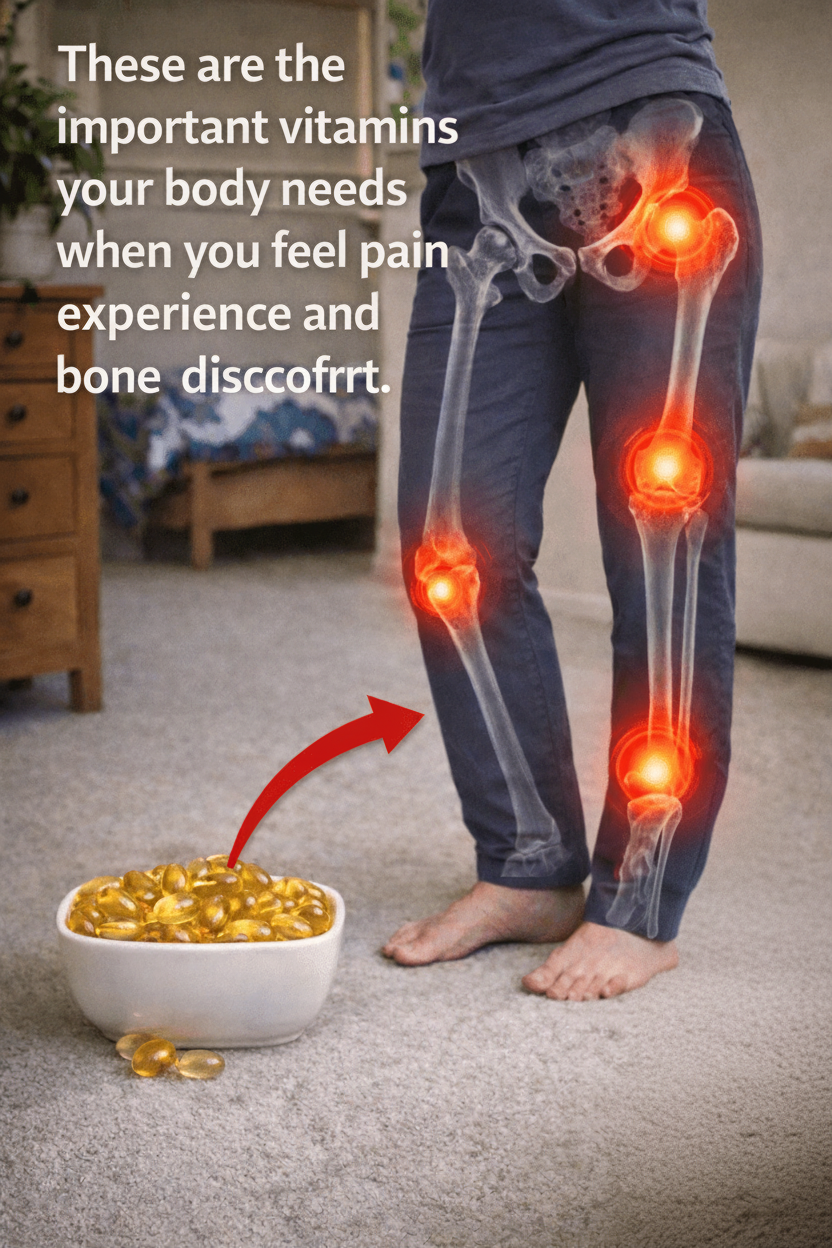
Here are common everyday factors that can secretly lower your Vitamin D levels:
- Limited time outdoors or heavy use of sunscreen that blocks your skin’s natural production – basically, you’re missing out on free sunshine power!
- Living in northern latitudes or areas with long, dreary winters where the sun just isn’t strong enough to do its job.
- Diets that skimp on fatty fish like salmon or mackerel, egg yolks, or fortified foods – you’re not giving your body the raw materials it needs.
- Age-related changes that reduce your skin’s ability to whip up Vitamin D – yep, getting older has its quirks.
- Certain health conditions or medications that can mess with how your body absorbs or uses Vitamin D – sometimes it’s out of your hands, but good to know!
Other Nutrients That Work Alongside Vitamin D
While Vitamin D often steals the spotlight, let’s be real: it’s not a lone wolf. It’s part of a powerful team! Several other nutrients are absolutely essential for supporting bone and muscle comfort when included as part of a balanced, all-in approach. Think of them as Vitamin D’s loyal crew, making sure everything runs smoothly.
- Calcium: This is the undisputed main building block of your bones. Vitamin D is its best friend, helping your body absorb it more efficiently.
- Magnesium: Plays a crucial part in muscle relaxation and energy production. Here’s the kicker – many people get way less than recommended from modern diets, leaving their muscles feeling the strain.
- Vitamin K: This unsung hero helps direct calcium right to your bones, making sure it doesn’t end up in soft tissues where it doesn’t belong.
- B Vitamins (especially B12): These powerhouses support nerve health and energy, which can indirectly affect how your legs feel during movement. If your nerves aren’t happy, neither are your legs!
The bottom line? A well-rounded diet that includes a variety of whole foods gives these nutrients the absolute best chance to work together in harmony, giving you the comfort and mobility you deserve.
Simple Ways to Support Your Vitamin D Levels Naturally
You don’t need to turn your life upside down with complicated changes to start paying attention to this game-changing nutrient. Ready to fight back against those aches and pains? Here are practical, no-brainer steps you can start trying today:
- Get Your Sunshine Fix: Spend 10–20 minutes outdoors most days with your arms and legs exposed to sunlight. (Just remember to adjust based on your skin type and local UV index to avoid getting burned – we’re going for healthy glow, not lobster red!)
- Feast on D-Rich Foods: Make it a habit to include Vitamin D-rich foods regularly. Think fatty fish like salmon or mackerel, egg yolks, fortified milk or plant-based alternatives, and even mushrooms that have been exposed to sunlight.
- Strategize Your Meals: Consider a balanced meal plan that smartly pairs calcium sources (like leafy greens, dairy, or fortified options) with your Vitamin D foods. They work better together!
- Keep Moving: Stay active with gentle weight-bearing activities like walking. This isn’t just good for your mood; it can actually help stimulate bone health when combined with stellar nutrition.
Don’t let bone and leg discomfort hold you hostage any longer. It’s time to take control! Talk with your healthcare provider or a trusted nutritionist to see if Vitamin D supplementation is right for you, especially if you suspect your levels are low. They can help you get a clear picture and develop a personalized plan. Your body deserves the best, and a little attention to Vitamin D could be the key to unlocking a more comfortable, active life.