 By admin
 You know that nagging feeling? That little voice screaming, “Something ain’t right”? But then you brush it off, right? “Just a headache,” you mumble. “Probably didn’t sleep well enough.” Deep down, though, that uneasy feeling still bites at you. Guess what? You’re not alone. Many women are flat-out ignoring early stroke symptoms because they seem too mild, too embarrassing, or just too easy to wave away. But here’s the cold, hard truth: even a little delay can flip your whole world upside down.
What most people don’t get is that some of the earliest warning signs are subtle. They’re sneaky, often mistaken for everyday stress – and that’s exactly why they get missed. But listen up, because there’s a simple, no-nonsense way to spot them early, before it’s too damn late.
Early Stroke Signs Women Often Ignore
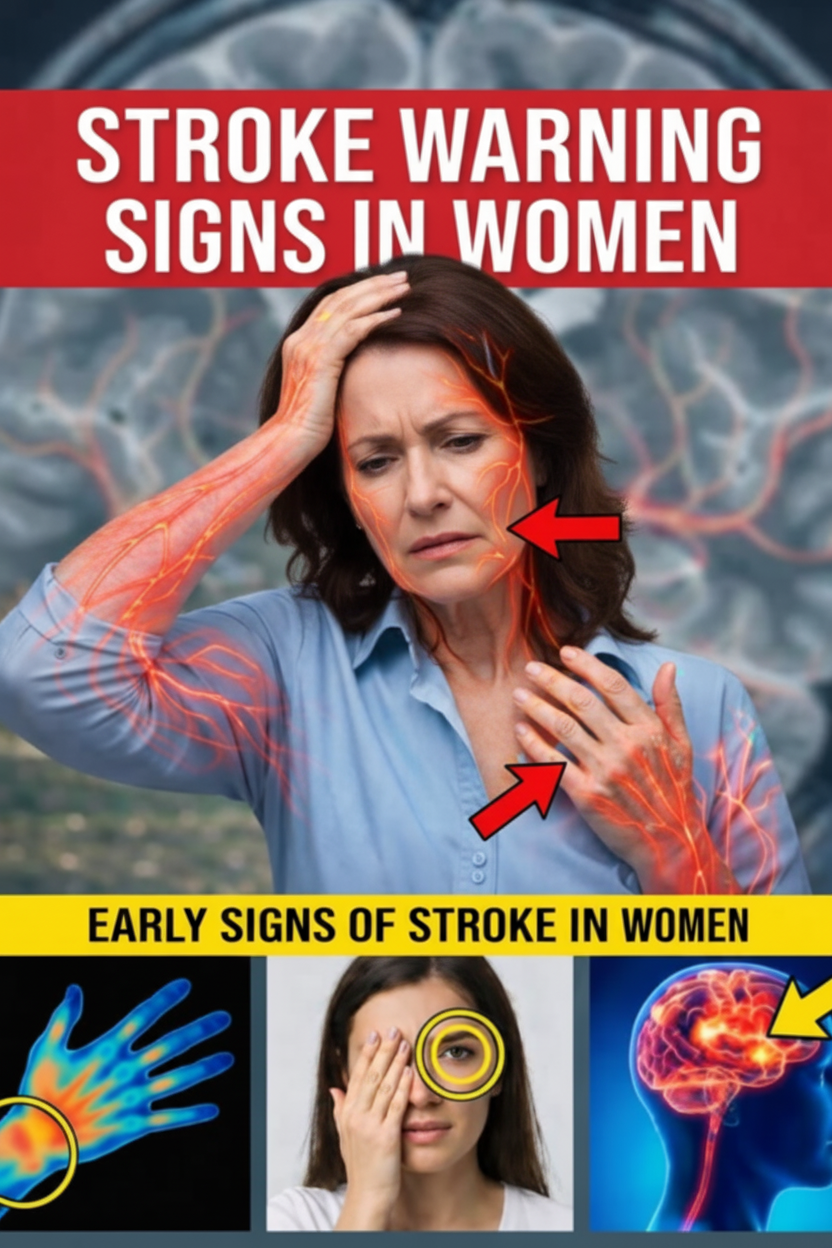
Let’s drop the act for a second. Most women don’t ever expect a stroke to hit them, especially if the symptoms aren’t some dramatic, Hollywood-level emergency. But here’s the brutal reality… research screams it: women are way more likely to get hit with atypical or subtle symptoms. And what does that mean? It means you’re delaying getting the help you desperately need.
Common early warning signs? Don’t even think about ignoring these:
- Sudden weakness or numbness on one side of your body. Think about it – does one arm just feel dead?
- Unexplained fatigue that just crushes you, making you feel absolutely overwhelmed.
- Suddenly, you’re confused, or your brain just can’t focus. Like someone hit the “off” switch.
- A severe headache that bursts out of nowhere, hitting you like a freight train.
- Dizziness or a sudden, unexplained loss of balance. You feel like you’re walking on a boat.
But wait, there’s more to this nasty game… these symptoms can pop up hours, even days, before a full-blown major stroke. Which, of course, makes them ridiculously easy to overlook. Don’t let yourself be a statistic.
10 Key Stroke Symptoms Every Woman Should Know
Alright, no more games. Here are the 10 most crucial signs you need to recognize – and recognize fast:
- Face drooping: Look in the mirror. Does one side of your face feel numb? Or does your smile look all wonky, uneven?
- Arm weakness: Try raising both arms. Does one just refuse to go up, or feel suddenly heavy, like it’s filled with lead?
- Speech difficulty: Are your words coming out slurred, like you’ve had too many? Or is it suddenly hard for anyone to understand what the hell you’re saying?
- Vision problems: Is your vision blurred, double, or have you suddenly lost sight in one or both eyes? This isn’t just “tired eyes.”
- Severe headache: This isn’t your average headache. People describe it as the absolute worst headache they’ve ever, ever experienced.
- Dizziness or loss of balance: One minute you’re fine, the next walking feels like you’re on a tightrope in a hurricane. Unstable.
- Nausea or vomiting: Listen up, ladies, this one’s more common in women than men. Don’t just blame it on a bad meal.
- Confusion: Are you struggling to follow a simple conversation? Feeling like your brain is wading through mud?
- Sudden fatigue: Extreme tiredness that comes out of nowhere, with absolutely no good reason.
- Chest discomfort or shortness of breath: Sometimes, this sneaky symptom gets brushed off as anxiety or “just” heart issues. Don’t fall for it.
Now here’s the only thing that matters, so pay attention… even if you only spot one of these damn symptoms, that’s your cue to act. IMMEDIATELY. No second-guessing.
Why Stroke Symptoms in Women Are Often Missed
This is where things get deadly serious. Women, for some reason, are pros at delaying getting help because the symptoms just don’t “feel urgent” enough. Wanna know why that happens? Here’s the rundown:
- These symptoms are masters of disguise, mimicking stress, plain old fatigue, or even migraines.
- Many women are hardwired to put everyone else before their own damn health. Stop it.
- Some signs creep up on you gradually, instead of hitting you like a brick wall.
And here’s the absolute kicker, the one that should chill you to the bone… studies are screaming it: women are more likely to show up at the hospital later than men. What does that mean for you? It shrinks that crucial window for effective care. Every second counts, and you’re letting them slip away.
FAST Method: A Simple Way to Act Quickly
When doubt creeps in, and you’re wondering if it’s “nothing,” remember this simple, life-saving rule: FAST. It’s your personal emergency cheat sheet.
| Letter | What to Check | What It Means |
|---|---|---|
| F | Face | Is one side drooping? Look closely. |
| A | Arms | Is one arm weak? Can you lift both equally? |
| S | Speech | Is speech slurred? Are they making sense? |
| T | Time | CALL EMERGENCY SERVICES IMMEDIATELY! NO WAITING! |
Here’s the bottom line, etched in stone: Time lost is brain lost. Period. Acting within minutes can drastically slash the long-term damage. Don’t be a hero, be smart.
What You Can Do Right Now to Lower Your Risk
Alright, enough with the warnings. Let’s talk prevention, because this is where you actually have some damn control. These aren’t rocket science, just simple daily habits that make a massive difference. Seriously, no excuses:
- Get off your butt and monitor your blood pressure regularly. Know your numbers!
- Stay physically active. Even a brisk walk around the block helps. No need to run a marathon.
- Eat real food. A balanced diet, packed with fruits and veggies, isn’t just for looking good – it’s for living.
- Learn to manage that stress. It’s a killer, in more ways than one.
- Ditch the cigarettes and cut back on the booze. Your brain will thank you.
But hold on a second… this isn’t about being perfect. Nobody’s asking for a sainthood. It’s about making small, consistent choices. Those tiny habits? They’re your brain’s bodyguards, protecting it over time.
Action Steps If You Notice Symptoms
If something feels off, if that gut feeling screams at you – don’t you dare second-guess it. You need to do this, and you need to do it now:
- CALL 911 RIGHT AWAY. Don’t text a friend. Don’t Google it. Call.
- Note the exact time symptoms started. This is critical for medical teams.
- DO NOT drive yourself. You’re a danger to yourself and others.
- Stay calm. Get yourself seated safely.
Here’s the truth most people conveniently ignore… waiting “to see if it passes” is not just a mistake, it’s one of the biggest, most dangerous mistakes you can ever make. Your life is on the line.
Final Thoughts
Look, stroke symptoms in women can be quiet. They can be confusing. And yeah, they’re ridiculously easy to dismiss. But understanding them, recognizing those early clues? That can make all the difference between life as you know it and something drastically worse. That uneasy feeling you sometimes just push away… it might not be “nothing.” It might be your body, screaming for your attention. For once, just listen to it. Your life depends on it.
Frequently Asked Questions (FAQ)
Got more questions? We’ve got answers. Don’t be shy.
1. Are stroke symptoms different in women than men?
You bet they are. Women often get hit with more subtle symptoms like crushing fatigue, nausea that won’t quit, or that brain fog confusion. These sneaky signs can absolutely delay you from getting the recognition and help you need.
2. Can stroke symptoms come and go?
Oh, absolutely. Some symptoms might flash up for a minute and then vanish. But don’t you dare think that means you’re in the clear. That’s still a screaming warning sign, and you should never, ever ignore it. Get checked out!
3. What is the first thing I should do if I suspect a stroke?
This isn’t a drill: Call emergency services IMMEDIATELY. Don’t sit around waiting. Don’t try to play doctor at home. Get professional help, and get it fast.
Medical Disclaimer
Just so we’re clear: this article is for informational purposes only. It is not, and never will be, a replacement for professional medical advice. If you’re experiencing any symptoms, get off the internet and talk to a doctor, pronto.
Whew! That was a lot, but your health is worth every single word. Don’t stop here, empower yourself even further! Dive into more of our no-nonsense health insights right here on dogpjs.com. Your brain (and your family) will thank you. Stay sharp, stay safe!