 By admin
 Many people notice changes in their toenails—like yellowing, thickening, or brittleness—and wonder if it’s something more than just wear and tear from daily life. These shifts can feel frustrating, especially when they affect how your feet look and feel in open shoes or during warmer months. What starts as a small spot under the nail can gradually spread, making nails harder to trim and less comfortable in tight footwear. But here’s the good news: understanding what you’re seeing and taking consistent, practical steps can make a real difference in supporting your nail health over time.
What the Heck is This Toenail Fungus, Anyway?
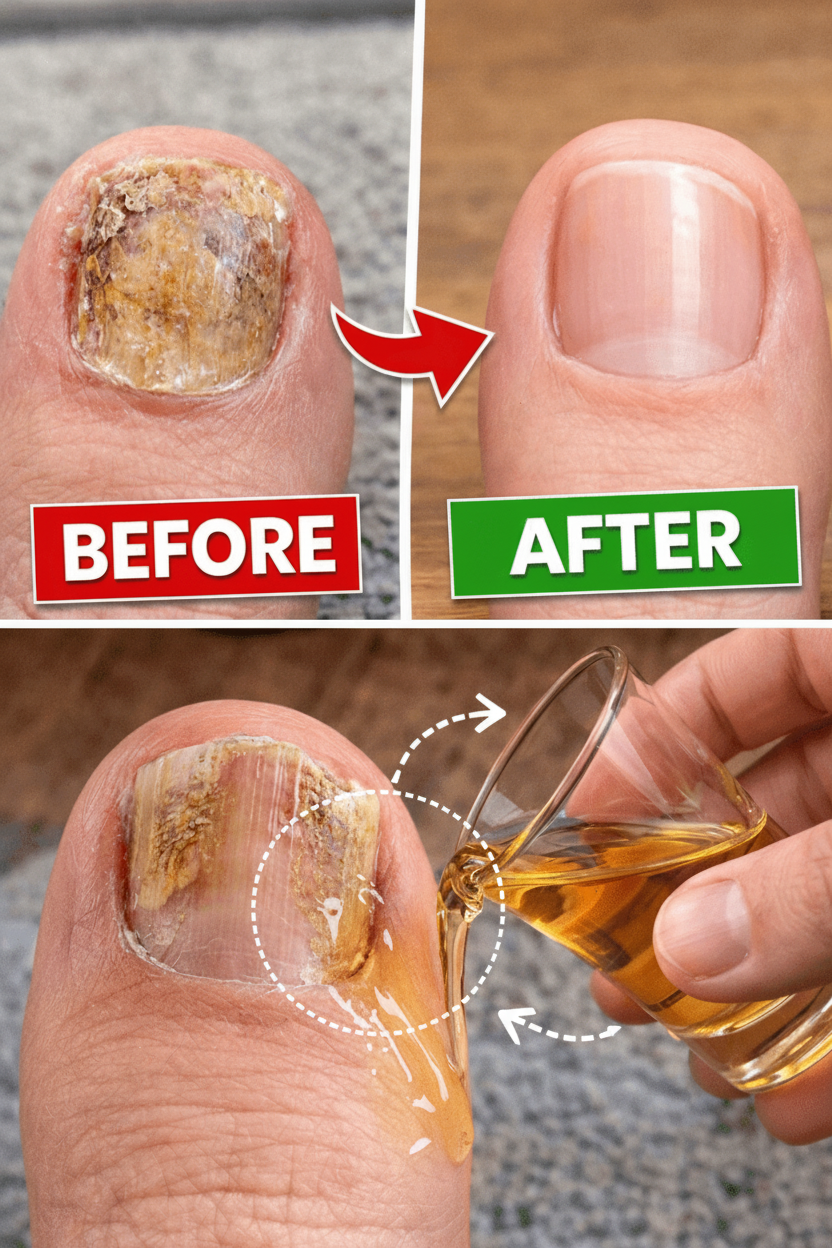
Toenail fungus, medically known as onychomycosis, happens when certain fungi get under or into the nail. These organisms thrive in warm, moist environments and slowly affect the nail’s structure. Research from sources like the Mayo Clinic shows it often begins as a small white or yellow-brown spot under the tip of the toenail. As it progresses deeper, the nail may change in multiple ways. Common signs include:
- Thickened nails that are difficult to cut
- Discoloration ranging from yellow and white to brown
- Brittle, crumbly, or ragged edges
- Distorted or misshapen nail growth
- Occasional separation from the nail bed or a mild odor
It tends to affect toenails more than fingernails because feet spend more time in socks and shoes, creating the perfect damp conditions for fungi to grow. Studies indicate it becomes more common with age and in people who frequently have sweaty feet or walk barefoot in shared spaces.
Stop Guessing, Start Knowing: Why You CAN’T Afford to Get This Wrong!
Not every nail change points to fungus. Many conditions look similar at first glance, and jumping into treatment without clarity often leads to disappointment. Conditions commonly mistaken for toenail fungus include nail trauma from tight shoes or injury, psoriasis (which can cause pitting and thickening), bacterial infections, or even normal age-related changes. Here’s a quick comparison to help you notice differences:
- Toenail Fungus: Usually starts at the tip or sides, spreads slowly, often has a yellowish or brownish tint, may smell slightly, and affects one or two nails initially.
- Psoriasis: More likely to involve multiple nails (including fingernails), often shows tiny pits or dents, and may come with skin patches elsewhere on the body.
- Trauma or Injury: Changes appear suddenly after bumping the toe, without gradual spreading or crumbling.
- Bacterial Issues: Can cause faster changes with redness, swelling, or greenish tones rather than the typical fungal yellow-brown.
If over-the-counter options don’t seem to help after several weeks, or if you’re unsure, a professional evaluation (often involving a simple nail clipping test) provides clarity. Misdiagnosis wastes time and money—something many people discover only after months of trial and error.
Shooting Yourself in the Foot: Mistakes That Keep Your Fungi Happy!
Even with the best intentions, small habits can hold back results. Many people start strong but lose momentum. Here are frequent pitfalls to watch for:
- Beginning any regimen without confirming the issue first
- Relying solely on home approaches for moderate or advanced changes
- Stopping too soon because new nail growth takes time (often 6–12 months for a full toenail)
- Ignoring moisture and footwear as ongoing factors
But that’s not the full picture. Addressing the environment around your feet often supports better long-term outcomes.
Fight Back! Daily Habits to Kick That Fungus to the Curb!
Consistency beats intensity when it comes to feet. Simple routines can create less inviting conditions for unwanted growth. Research highlights that keeping feet dry and clean plays a key role. Try these actionable steps:
- Wash feet daily with mild soap, then dry thoroughly—especially between the toes.
- Change socks whenever they feel damp, and choose moisture-wicking materials.
- Rotate shoes so each pair has at least 24 hours to air out completely.
- Wear breathable footwear and avoid walking barefoot in public areas like pools or gyms.
- Trim nails straight across and file thickened areas gently after soaking to help products reach better.
These habits not only help manage existing concerns but also reduce the chance of future issues.
DIY Foot Fixes: Tackling Mild Fungus Before It Gets Nasty!
For early or superficial changes, many people start with accessible approaches. Over-the-counter antifungal creams, solutions, or nail lacquers are widely available. Some users also explore options like tea tree oil (known for antifungal properties in studies) or menthol-based rubs appl
There you have it! Your ultimate guide to spotting and dealing with that pesky toenail fungus. Don’t let those unsightly nails get you down. Take action, stay consistent, and you’ll be flaunting healthy, happy feet in no time. For more expert tips and tricks on maintaining a healthy life, keep exploring our site!