 By admin
 Alright, let’s cut to the chase. The thought of living with just one kidney? For many, it’s straight-up terrifying. Whether you’re eyeing kidney donation or battling a health curveball that demands one organ out, that gut-wrenching worry about less filtering power and your future health can be nightmare fuel, making every single day feel like a tightrope walk. But here’s the shocker: your body isn’t just resilient; it’s an absolute beast, and that lone kidney? It shows up like a boss, pulling off stunts that even seasoned medical pros can’t quite believe. Stick around, because in this article, we’re not just scratching the surface. We’re diving deep into exactly how this magic happens – and trust me, there’s one little-known detail lurking at the end that will completely flip your perspective on your body’s jaw-dropping capabilities. But you gotta keep reading to unlock it all!
Understanding Compensatory Hypertrophy: How Your Remaining Kidney Steps Up
So, you lose a kidney, right? But hold up – the other one doesn’t just sit there feeling sorry for itself or throw in the towel. Oh no. It kicks into overdrive, launching into a mind-blowing natural process called compensatory hypertrophy. Picture this: your lone kidney physically beefs up, growing larger and working overtime, tackling the workload of two organs like a champion. The science? It’s undeniable. This incredible adaptation springs into action faster than a cheetah, often within mere days, literally restoring a huge chunk of your body’s normal filtering capacity. And get this straight from the pros: studies on kidney donors show that remaining kidney can swell up in volume by a solid 20-25 percent on average! It’s not creating brand-new filtering units, but the ones you’ve got? They super-size and supercharge themselves, becoming incredibly efficient. What this means for you is huge: one healthy kidney can often pull off about 70-75 percent of what a pair of kidneys would do together. Now, that’s a game-changer for your daily grind.
Seriously, most folks who’ve been through this? After the initial recovery, they barely feel a thing when it comes to their daily energy or routine. Your body performs this ninja-level recalibration, working its magic so silently, so seamlessly, that unless a doctor spills the beans during a follow-up scan, you’d be none the wiser about the epic shift happening within you. Talk about a silent powerhouse!
Is Living With One Kidney Safe for Most People?
Alright, let’s hit you with the truth bomb: Is living with one kidney safe for most people? Straight-up, blunt answer? HELL YES, for the overwhelming majority of healthy individuals. Even big guns like the National Kidney Foundation confirm it: one well-functioning kidney can absolutely power a full, kick-ass life and an active lifestyle. Think about kidney donors – they’re put through the wringer with screening, and guess what? Years down the line, they typically report zero major drama. Now, don’t get it twisted; it’s not a complete risk-free joyride. You might see a tiny uptick in the chances of higher blood pressure or a trace of protein in your urine over time. But listen, these changes are usually minor league, and with regular monitoring, you keep that stuff locked down. The real kicker? Your body adapts so freaking well that most folks are out there living full, vibrant lives without sweating it for a second about their single kidney. And trust me, that’s not even the whole story.
We’ve got the receipts: long-term data from transplant programs shouts it loud and clear – this adaptation process is a total game-changer for maintaining overall health, especially when you’re playing your cards right with smart habits. It’s like your body came pre-loaded with its own personal superhero, a built-in backup plan, quietly grinding 24/7 behind the scenes to keep you going strong. Unbelievable, right?
What Happens Inside Your Body Over Time – The Timeline of Adaptation
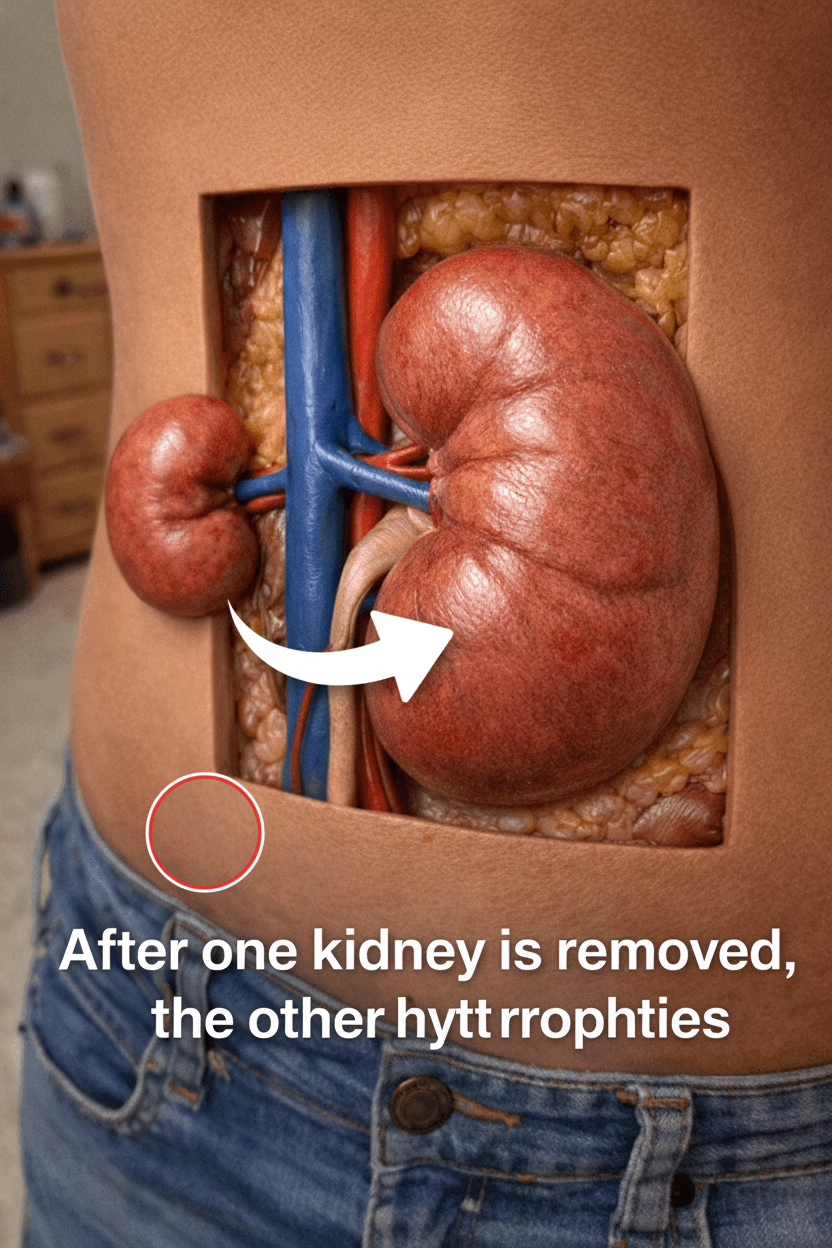
The moment that surgery wraps up or that donation happens, your remaining kidney doesn’t miss a beat. It springs into action like a coiled snake, almost immediately! Within hours, it’s cranking up the filtration turbo-boost, making up for the loss. Give it a few weeks, and actual physical growth kicks in. Then, over a few months, it locks into its new, beefed-up form, settling comfortably into its expanded role. But hold onto your hats, because you haven’t heard the half of it about the long game.
We’re talking years here, folks. Over time, this single kidney continues to dial in its performance to perfection, becoming an even more efficient machine. Take donors in their 40s, for instance: follow-up studies drop a bombshell, revealing rock-solid function with barely a wobble, especially when their lifestyle stays on track and they’re not screwing it up. To really hammer this home, check out this quick comparison:
| Aspect | Two Kidneys (Typical) | One Kidney (After Adaptation) |
|---|---|---|
| Daily Filtration Capacity | Full workload handled easily | 70-75% restored through growth |
| Physical Size | Standard paired size | Up to 25% larger volume |
| Long-Term Energy Levels | Normal | Usually normal with good habits |
| Monitoring Needs | Routine checkups | Slightly more frequent checkups |
See that table? It’s proof positive, screaming from the rooftops how your body compensates like a seasoned pro, not missing a damn beat for most people. Mind. Blown.
Practical Tips to Support Your Single Kidney Every Day
Alright, listen up! This is where you stop scrolling and start acting. Supporting your remaining kidney doesn’t mean turning your life upside down with drastic changes. Nope. It’s all about making some seriously sharp, consistent choices that protect that powerhouse like gold. These simple-yet-mighty steps are your secret weapon to supercharge that natural adaptation process and keep everything running smoother than a fresh-paved highway.
- Stay well hydrated: Don’t be a slacker! Aim for at least eight glasses of water daily. This isn’t just a suggestion; it’s crucial to ease that filtering load and prevent unnecessary strain on your hardworking kidney.
- Eat a balanced diet: This ain’t rocket science, folks. Load up on fresh fruits, veggies, lean proteins, and whole grains. And here’s the kicker: seriously cut back on sodium and those sneaky processed foods. Your kidney will thank you.
- Monitor blood pressure regularly : High pressure can sneak up, so home checks and annual
There you have it, folks! The truth about living with one kidney isn’t scary; it’s a testament to your body’s insane power to adapt and thrive. We hope this deep dive has armed you with knowledge and boosted your confidence. Your body is a marvel, treat it right, and it’ll keep fighting for you! Loved this ride? Don’t stop here! We’ve got a whole vault of game-changing insights waiting for you on our site. Keep exploring, keep learning, and keep living your best, healthiest life! You’re awesome, and we’re always here to bring you the real talk.