 By admin
 Why Your Child Is Itching More at Night—The Surprising Reason
Alright, parents, listen up! Ever notice your kid suddenly going wild, scratching like crazy, or just plain thrashing around the moment bedtime hits? This isn’t just a little itch, folks. That discomfort often explodes as the evening drags on, leaving everyone in the house feeling utterly drained and worried sick. What might look like a simple skin rash can actually be a red flag for something incredibly common in homes with little ones. But here’s the kicker, the part most families completely miss: there’s a stone-cold pattern behind this nighttime torment, and once you get it, you can take some simple steps to finally reclaim your peaceful nights.
What Causes Nighttime Itching in Children
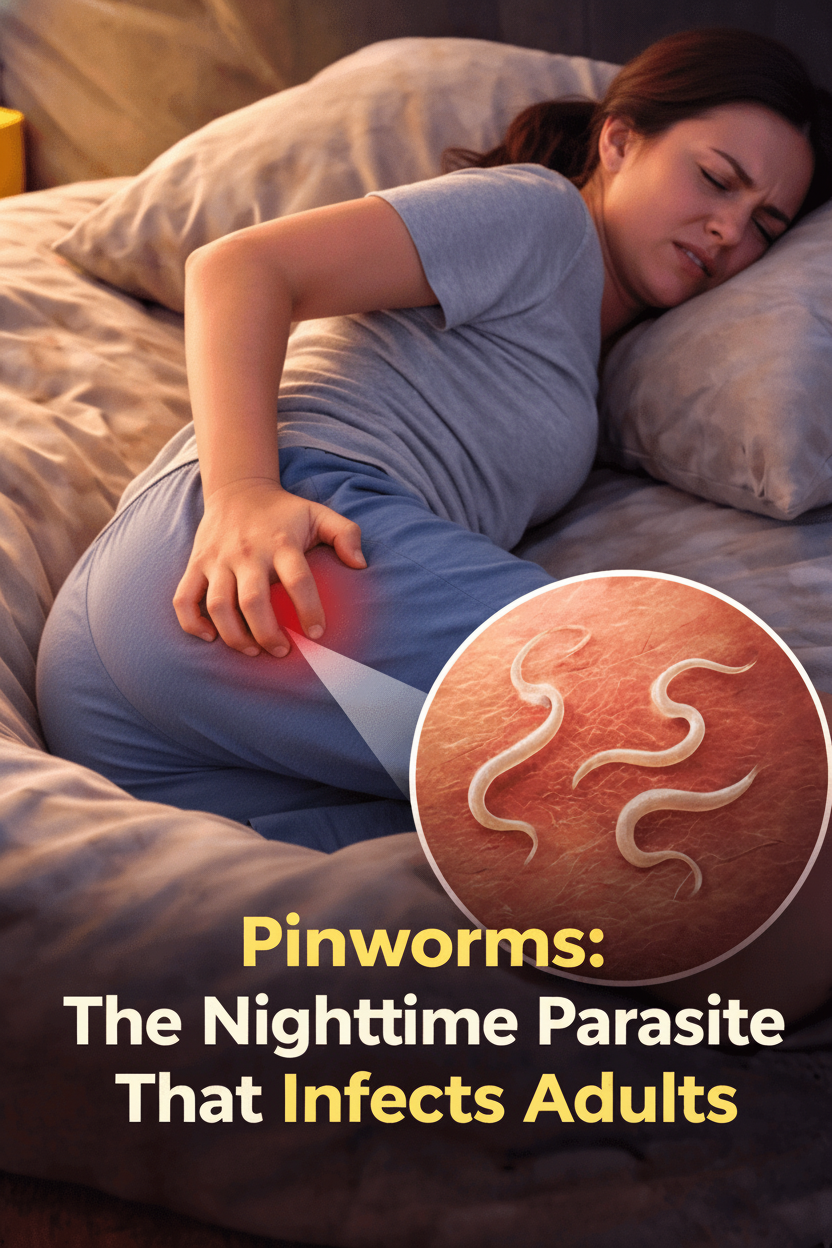
Let’s be real: we’re talking about pinworms. These ain’t pretty. They’re these tiny, thread-like creepy-crawlies that set up shop right in your child’s lower gut. Trust me, they’re one of the most common infections plaguing school-age kids, especially those between 5 and 10 years old. And here’s where the real horror show begins: the female worms, these little nocturnal demons, crawl out to the skin around the anus at night to lay their eggs. This creepy movement, combined with the sticky gunk that holds their eggs, creates that utterly intense itching sensation that often jolts children awake or keeps them from ever drifting off to dreamland.
Don’t just take my word for it; health authorities have done their homework. Research shows that this maddening itching happens mainly when your kid is supposed to be sleeping, because that’s precisely when these worms are on their most active mission. The sneaky part? Many children walk around symptom-free all day long, which is exactly why this problem can fly under the radar for weeks, driving parents nuts. And get this: those eggs are microscopic, practically invisible! They can cling to skin, clothes, bedding, and even household surfaces for up to three weeks, making it a terrifyingly easy problem to pass around the entire family.
Common Signs Parents Should Watch For
So, how do you spot these unwelcome guests? Keep your eyes peeled for these tell-tale signs that often pop up together:
- Increased scratching around the bottom area, especially after your child has been tucked in for a few hours.
- Restless sleep or frequent waking throughout the night – basically, your kid is fighting sleep and losing.
- Irritability or exhaustion the next day because, let’s face it, nobody sleeps well when they’re battling an itch war.
- Tiny white threads (think staple-sized, no joke) sometimes visible on underwear in the morning or, if you’re brave enough to look, right around the anal area at night.
- For girls, watch out for occasional vaginal itching or discomfort – these little invaders don’t discriminate.
Now, don’t freak out if your kid doesn’t have every single one of these. Some kids are silent sufferers and show absolutely no noticeable symptoms at all. The real game-changer here is the timing — that relentless discomfort hits its peak when the house is finally quiet, and everyone, including you, is desperate for some sleep.
How Pinworms Spread So Easily in Families
Want to know why these parasites are such a pain to get rid of? It’s all in their life cycle – a cycle that explains why they spread like wildfire. When a child, driven half-mad by the itch, scratches that area, those microscopic eggs get trapped under their fingernails or onto their hands. From there? It’s a free-for-all. The eggs can jump to toys, doorknobs, bedding, or even food. Then, another child or family member, completely oblivious, swallows those eggs, and BAM! The whole miserable cycle kicks off again inside their body. This, my friends, is precisely why entire households can get infected, even if only one child was the original scratcher. Studies aren’t shy about it: pinworm infections are rampant in kids who go to school or daycare, where close quarters and shared spaces make transmission a walk in the park for these tiny terrors.
Simple Daily Habits That Make a Real Difference
Alright, enough with the doom and gloom. You can fight back! Start with these practical steps right now to dial down the discomfort and put a chokehold on their spread. These are your heavy hitters:
- Drill it into them: Thorough handwashing with soap and warm water after every toilet trip, before every meal, and after every play session. No excuses!
- Nail patrol: Keep those fingernails clipped short and scrub them daily to evict any sneaky eggs trying to hide out.
- Shower power: Make morning showers, not baths, the new routine. This washes away any eggs laid overnight. Baths? They just turn the water into an egg soup. Gross.
- Underwear overhaul: Change underwear and pajamas every single morning and toss them straight into a hot wash.
- Laundry blitz: Wash bedding, towels, and washcloths frequently in hot water, then blast ’em with high heat in the dryer.
These aren’t just “small changes,” folks. These are the crucial moves that help break this nasty cycle without turning your daily routine upside down.
What to Do When You Notice the Signs
If that nighttime scratching just won’t quit, don’t sit on it. Get straight to your child’s pediatrician. A simple test, often done at home with some clear tape slapped around the anus in the morning, can confirm exactly what’s going down. Your doctor will then lay out the battle plan, recommending the next steps based on your specific situation.
Many families breathe a massive sigh of relief once they finally get the lowdown on what’s causing all the drama. The bottom line? You’ve gotta tackle both the immediate torment and those habits that are letting these tiny egg-layers run wild.
Household Cleaning Tips to Support Comfort
Beyond just personal hygiene, a few cleaning routines can help you boot those lingering eggs right out of your home. Think of it as your home defense strategy:
- Vacuum attack: Hit those carpets, rugs, and upholstered furniture with the vacuum regularly. Don’t let those eggs settle!
- Wipe down warriors: Go on a wiping spree! Frequently touched surfaces like light switches, doorknobs, and toys need a good scrub with a damp cloth.
- Shake it off? NO! Avoid violently shaking bedding or clothing. All you’re doing is launching those microscopic eggs into the air for a wider spread.
- Mass laundry day: When you’re dealing with this issue, make it a family affair. Wash everyone’s bedding and nightclothes at the same time. No exceptions.
These actions aren’t just random chores; they’re a united front. They work hand-in-hand with good hand hygiene to create a cleaner, safer environment for your whole crew.
Phew! We know that was a lot to take in, but understanding this stuff is the first step to reclaiming your nights and bringing peace back to your home. We’re here to cut through the noise and give you the real deal, because your family’s well-being is