 By admin
 You suddenly feel a wave of confusion wash over you or struggle to find the right words mid-sentence, and at first it seems like nothing more than ordinary fatigue from a long day or poor sleep. But hold up! For countless people, that sudden confusion or difficulty speaking isn’t just a yawn-inducing moment; it’s a terrifying alarm bell, signaling something far more serious. It quietly builds anxiety, turning everyday tasks into an unexpected uphill battle. Stroke symptoms like these hit you out of nowhere, and if you don’t jump on them, they can leave lasting damage that’ll haunt you forever. In this guide, we’re cutting through the noise to arm you with the most critical signs of stroke, including that chilling sudden confusion or difficulty speaking, so you can act like a boss and protect what truly matters most. Don’t let your brain play tricks on you!
🧠 Your Brain’s SOS: Why Sudden Confusion or Difficulty Speaking Is a HUGE Deal!
Think of it this way: high blood pressure, blocked vessels, or sudden clots are like thugs cutting off the blood supply to your brain, unleashing stroke symptoms that appear in mere minutes. When sudden confusion or difficulty speaking slams into you, it’s often a screaming signal that the brain’s language and clear-thinking HQ is under attack. Simple chats turn into frustrating, muddled puzzles. Stroke symptoms such as sudden confusion or difficulty speaking are among the most common early warnings, yet they’re constantly brushed off as “just tired” or “too stressed.” Big mistake! Recognizing these stroke symptoms quickly gives you the power to fight back before permanent, irreversible changes take hold. Trust us, research from major health bigwigs shows that spotting stroke symptoms like sudden confusion or difficulty speaking within the first few hours dramatically swings the odds in your favor for a better outcome. Don’t waste a second!
Your Life-Saving Checklist: The FAST Test for Stroke Symptoms!
Listen up! Medical pros aren’t messing around; they’ve given us a lightning-fast way to check for stroke symptoms in seconds. It’s called the FAST test, and it could literally be the difference between life and lasting disability:
- Face: Tell ’em to grin. Does one side look like it’s melting off their face, drooping weirdly?
- Arms: Get ’em to lift both arms high. Is one arm playing dead, just drifting downwards like it’s got no will of its own?
- Speech: Hit ’em with a simple sentence to repeat. Does it come out like a garbled mess, slurred, or just plain wrong?
- Time: If you spot any of these red flags, don’t even think twice. Dial emergency services RIGHT NOW. Every second counts, seriously!
This isn’t just some casual checklist; this rapid-fire check for stroke symptoms, especially that sudden confusion or difficulty speaking, is the difference between keeping your brain intact and watching it die, cell by precious cell.
🩸 Level Up Your Life-Saving Skills: The BE FAST Checklist for Stroke Symptoms!
The game just got serious, folks. The updated BE FAST approach is the expanded, no-mercy version, covering even more stroke symptoms so nothing slips through the cracks. That sudden confusion or difficulty speaking perfectly fits under the “Speech” part, but balance issues or vision changes can also appear right alongside it. For anyone noticing sudden confusion or difficulty speaking, adding these extra checks helps confirm if stroke symptoms are truly present. BE FAST makes it easier than ever to catch every possible sign of stroke before it’s too damn late. No excuses, people!
So, here’s the full lowdown, the complete BE FAST battle plan for stroke symptoms:
- Balance: Are they suddenly spinning out, dizzy as hell, or can’t keep their feet under them?
- Eyes: Is their vision going wonky? Blurry, seeing double, like they’ve had too many?
- Face: Again, that lopsided grin. Is one side just giving up?
- Arm: That arm again. Is it weak as a kitten, just drifting down like a dead weight?
- Speech: The big one we’re talking about: Sudden confusion, can’t string a sentence together, or just mumbling nonsense?
- Time: Seriously, if you spot any of these, don’t play hero. Call for help RIGHT. AWAY. No delays, no ‘let’s see.’
This BE FAST checklist is your secret weapon. It lets you scan for all the nasty stroke symptoms – from that sudden confusion or difficulty speaking to every other terrifying red flag – in one swift, simple check. Use it, and use it well!
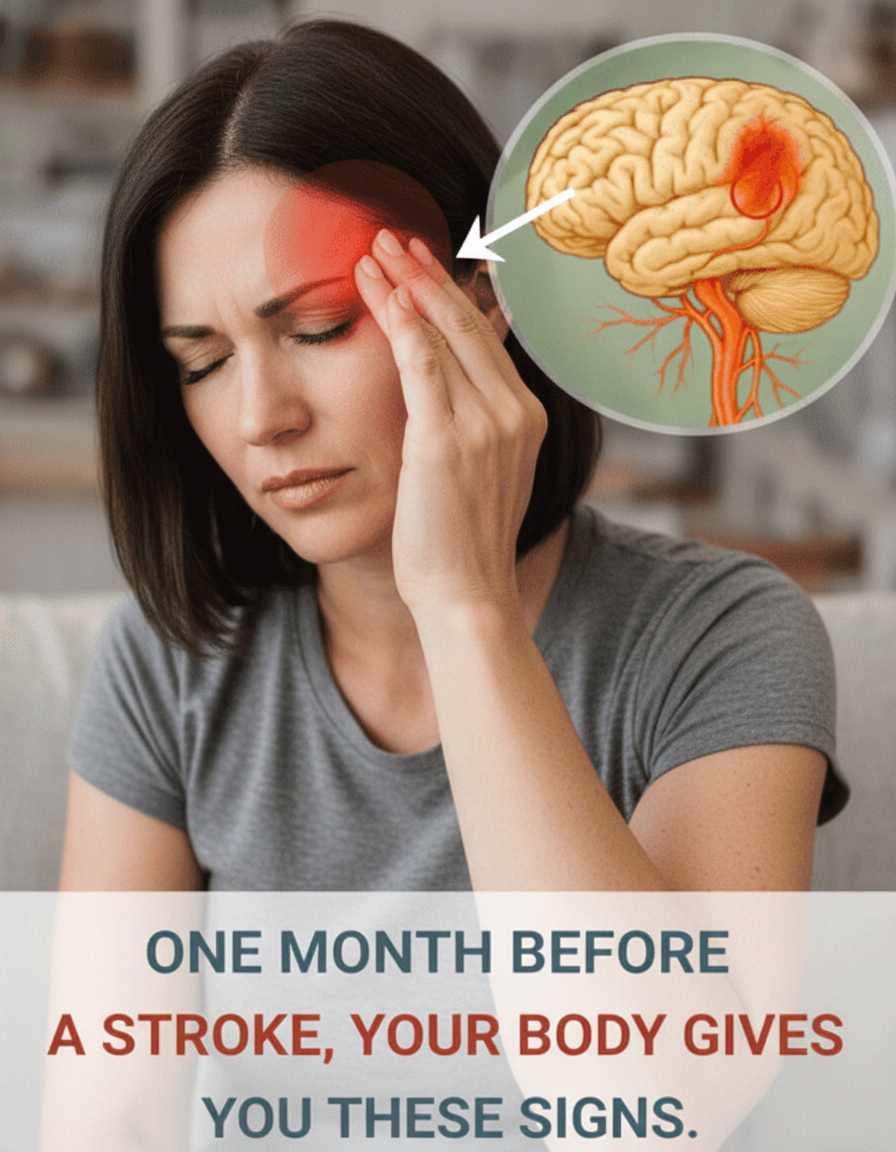
⚡ The Brain’s Breakdown: What Sudden Confusion or Difficulty Speaking Really Means During a Stroke!
Picture this nightmare: you’re trying to answer a simple question, but the words come out a jumbled mess, or you suddenly can’t remember common names. That, my friend, is exactly how sudden confusion or difficulty speaking screams “stroke symptoms!” For many, this moment triggers pure panic because the brain’s communication center is temporarily starved of oxygen. Stroke symptoms, including sudden confusion or difficulty speaking, often happen on one side of the body and might even pair up with numbness or weakness. Don’t you dare wait to see if it “passes”; these stroke symptoms demand immediate, no-nonsense attention.
Beyond the Muddled Words: Other Deadly Stroke Symptoms to Watch For!
When that sudden confusion or difficulty speaking rears its ugly head, keep an eye out for these other dangerous stroke symptoms:
- Sudden numbness or weakness, especially hitting just one side of the body – like half your body just went to sleep.
- Vision suddenly going haywire, blurry, or double in one or both eyes.
- Stumbling around like you’re drunk, or suddenly losing your balance completely.
- A killer headache that just hits you out of nowhere, unlike any headache you’ve ever felt.
If that sudden confusion or difficulty speaking teams up with any of these other nightmares, the message is crystal clear: it’s not just a ‘maybe,’ it’s an emergency screaming for help, right *now*.
⏰ The Clock is Ticking: Why Every Single Second Matters When Stroke Symptoms Hit!
Listen up, because this is crucial: Every minute your brain goes without blood flow, millions of brain cells die. That’s why the experts aren’t kidding when they say, “time is brain” for stroke symptoms. Sudden confusion or difficulty speaking that lingers, even for just a brief moment, can signal a full-blown stroke or a transient ischemic attack (TIA). A TIA, often called a mini-stroke, might produce stroke symptoms like sudden confusion or difficulty speaking that fade quickly, but don’t be a fool – it’s a massive warning shot for a bigger, deadlier event coming your way if you ignore it. Acting fast on stroke symptoms gives doctors the absolute best shot to restore blood flow and limit the devastating damage. Don’t gamble with your brain!
We hope this no-holds-barred guide has opened your eyes to the critical importance of recognizing stroke symptoms, especially sudden confusion or difficulty speaking. Your health is your wealth, and being informed is your best defense. Don’t stop here! Dive into more of our life-saving content on dogpjs.com to keep yourself and your loved ones safe and sound. Stay sharp, stay healthy!
”
}
“`