 By admin
 Listen Up, Seniors! Ditch the Ginger if You’ve Got THESE 4 Conditions – A No-Nonsense Guide!
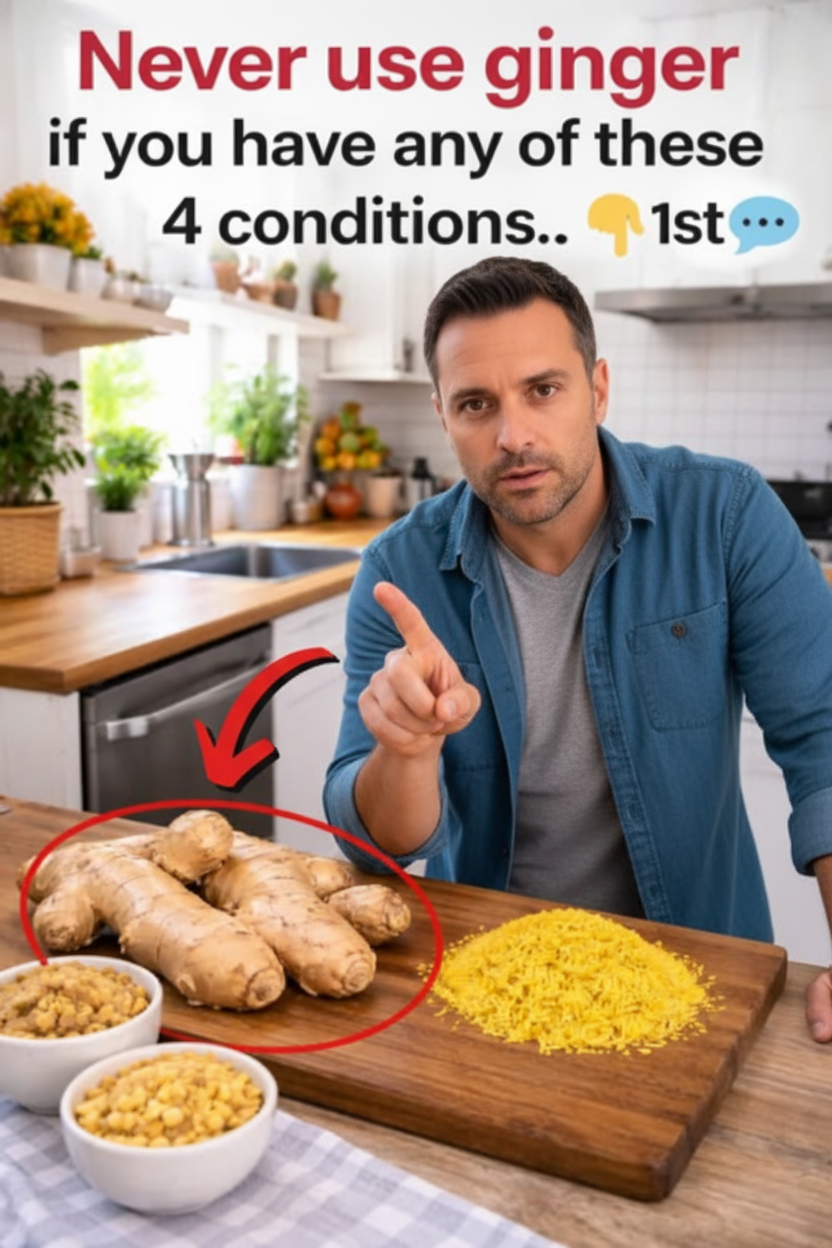
Picture this: You’re whipping up a simple tea in your kitchen, thinking it’ll settle your stomach or just warm you up. You grate some fresh ginger, feeling all healthy, only to later realize it might have stirred up more trouble than comfort – or worse, messed with your health in a big way. Seriously, folks, a lot of seniors unknowingly chug down ginger without a clue that for certain conditions, it can crank up symptoms or clash dangerously with their meds. Today, we’re gonna pull back the curtain and expose the 4 conditions where ginger is a no-go zone – and what safe swaps you can make. Stick around, because the last tip? That’s the game-changer most people completely miss!
1. Blood Clotting Disorders: Don’t Mess With Your Blood!
Ginger is a natural blood thinner, which, in small doses, sounds pretty good, right? But if you’re already battling a bleeding disorder or popping anticoagulants, this effect isn’t just ‘beneficial’ – it can be downright dangerous. This ain’t no joke; your health is on the line!
- Why it matters: Extra blood thinning can seriously ramp up bruising or hike your risk of internal bleeding. We’re talking serious stuff here, so pay attention!
- Signs to watch for: Keep an eye out for frequent nosebleeds, bruising like it’s going out of style, or cuts that just won’t stop bleeding. These are your body’s alarm bells.
- Tip: If you’re on medications like warfarin or aspirin, you absolutely MUST chat with your doctor before even thinking about ginger supplements or tossing big chunks of fresh ginger into your grub. But hold on, that’s not the only hidden risk you need to know about…
2. Acid Reflux or GERD: Ginger Can Burn You!
Sure, ginger can be a digestive pal for some, but for others, it’s like throwing fuel on a fire, making heartburn go from bad to brutal. Its natural kick can seriously trigger reflux in folks with sensitive systems. You don’t want that burning sensation!
- What happens: Ginger can actually loosen up that lower esophageal sphincter – think of it as a gate – allowing stomach acid to surge upwards. Not a fun ride, believe me.
- Symptoms to monitor: That fiery feeling in your chest, a sour taste that just won’t quit, or bloating that makes you feel like a balloon. These are red flags!
- Practical tip: Try ginger in tiny amounts, maybe as a super mild tea. But if that discomfort keeps nagging you, it’s smarter to just ditch it altogether. Better safe than sorry, right?
3. Gallstones or Gallbladder Disease: Don’t Poke the Bear!
If you’ve got gallstones or a sensitive gallbladder, ginger could be your worst enemy, kicking off sharp pain or nasty spasms. Why? Because ginger gets that bile flowing, and that can seriously irritate an already touchy gallbladder.
- Why: A sudden surge of bile can worsen existing blockages or, even worse, trigger a full-blown gallbladder attack. You do NOT want to experience that!
- What to look for: Sharp, stabbing pain in your upper right tummy, feeling sick to your stomach after meals, or constant bloating. These are signs your gallbladder is screaming for help.
- Actionable tip: Use ginger like it’s gold dust – sparingly – and pay close attention to how your body reacts. Seriously consider talking to a gastroenterologist before you even think about adding ginger to your diet. This is not a drill!
4. Diabetes or Blood Sugar Concerns: A Dangerous Drop!
Ginger can lower blood sugar, which on the surface sounds great. But for anyone on diabetes medication, this can be a disaster, causing your levels to plummet way too low. This is where things get really risky!
- The risk: Hypoglycemia – that’s dangerously low blood sugar – can hit you hard, leading to dizziness, fainting, or total confusion. You could be in real trouble.
- Watch out for: Sweating buckets, feeling shaky all over, a heart that’s racing like crazy, or sudden, crushing fatigue. These are emergency signals!
- Tip: Seniors with diabetes, if you’re even contemplating ginger, you need to track your blood sugar like a hawk. And for crying out loud, talk to your doctor about safe doses or other herbs that won’t put you at risk. Your life could depend on it.
Smart Alternatives to Ginger: Flavor Without the Fear!
Even if ginger is off-limits for you, don’t sweat it! There are plenty of fantastic ways to enjoy great flavors and get that digestion support safely, without any of the scary risks we just talked about:
- Peppermint: This stuff is super gentle on the stomach and helps with nausea without messing with your blood sugar or clotting. It’s a winner!
- Chamomile tea: A real champion for soothing digestion and helping you chill out. Perfect for winding down.
- Turmeric (in moderation): Offers some mild anti-inflammatory goodness without the strong blood-thinning effects – but always, ALWAYS check with your doctor first, just to be safe.
Quick Comparison Table: Know Your Herbs!
| Herb | Suitable for Seniors with Risks? | Benefits |
|---|---|---|
| Ginger | ❌ If any of the 4 conditions | Anti-nausea, warming, digestion |
| Peppermint | ✅ Safe for most | Digestive aid, calming |
| Chamomile | ✅ Safe for most | Soothes stomach, relaxation |
| Turmeric | ⚠️ Check dosage | Anti-inflammatory |
Actionable Steps for Seniors: Your Health Is Your Responsibility!
Look, your health isn’t something to play around with. Here’s what you NEED to do to stay safe:
- Review your health conditions and medications: Get real with yourself and your doctor about everything you’re taking and any health issues you have. No secrets!
- Start with tiny amounts if unsure, and monitor your body’s response: If you absolutely must try a new herb, go microscopic and watch like a hawk for any weird reactions.
- Keep a food journal to track any discomfort: Write down what you eat and how you feel. It’s your personal detective work to spot problems.
- Replace ginger with safer herbs when necessary: Don’t be stubborn! If ginger isn’t working for you, switch it out for something that is.
Frequently Asked Questions (FAQ): Get Your Answers Straight!
Q1: Can I have ginger in cooked meals if I have one of these conditions?
A: Small amounts *might* be tolerable for some, but honestly, it’s safest to just steer clear of large doses or any supplements. Why risk it?
Q2: Is ginger tea safer than fresh ginger?
A: Tea usually has lower concentrations, but it can still mess with blood clotting or reflux. So, proceed with extreme caution – or better yet, just avoid it if you’re in a high-risk group.
Q3: Can other spices replace ginger in recipes?
A: Absolutely! Cinnamon, turmeric, and cardamom can give you amazing flavor and some mild health perks without any of the risks we’ve laid out. Spice up your life, safely!
Disclaimer: Listen up! This content is for your information only, and it’s NOT a stand-in for professional medical advice. You absolutely must consult your healthcare provider before making any changes to your diet, especially if you have existing health conditions or are on medications. Don’t play doctor with your own body!
There you have it, folks! The real talk about ginger and your health. We hope this guide empowers you to make smarter, safer choices for a healthier, happier life. Your well-being is our top priority, and we love bringing you the honest truth. Keep exploring our site for more vital tips and expert advice to stay on top of your game!