 By admin
 Is That Just a Flu? Unmasking Early HIV Symptoms 2-4 Weeks Post-Exposure – Your Health, No Games!
Ever felt like you’ve been hit by a truck with some weird, flu-like crud after a potentially risky encounter, but you just couldn’t put your finger on what was off? Listen up, because if you’ve recently had unprotected sex or shared needles, you might be unknowingly dealing with the early whispers of HIV. Don’t freak out just yet, but understanding these symptoms isn’t just important—it’s absolutely critical.
Early detection is your superpower here, and the sooner you know, the quicker you can kick into action to safeguard your health and protect those around you. In this no-holds-barred guide, we’re diving deep into those sneaky flu-like symptoms that can pop up 2 to 4 weeks after HIV exposure and, more importantly, what the heck to do if you suspect an infection. Stick with us, because this information could literally be a game-changer for your well-being.
Understanding the Early Signs of HIV: No Sugar-Coating
When HIV muscles its way into your system, it doesn’t exactly roll out the same red carpet of symptoms for everyone. However, a significant chunk of folks report feeling flu-like symptoms within 2 to 4 weeks after exposure. These early signals are often mistaken for your garden-variety flu or a pesky cold, which makes recognizing HIV right off the bat a real challenge. So, buckle up, because we’re about to get real about these common symptoms so you can stay sharp and informed.
The First Signs to Watch Out For: Don’t Miss These Red Flags
These are the flu-like symptoms that could be screaming a potential HIV infection. Pay attention:
- Fever: Your body temperature might suddenly shoot up like a rocket. This is one of the most common early indicators.
- Sore Throat: That feeling like you swallowed sandpaper or razors? A scratchy, painful throat is frequently reported in the initial stages.
- Swollen Lymph Nodes: Those little glands in your neck, armpits, or groin? They might become tender and swell up. Don’t ignore them.
- Headache: A headache, sometimes so intense it feels like a drum solo in your skull, can tag along with other flu-like symptoms.
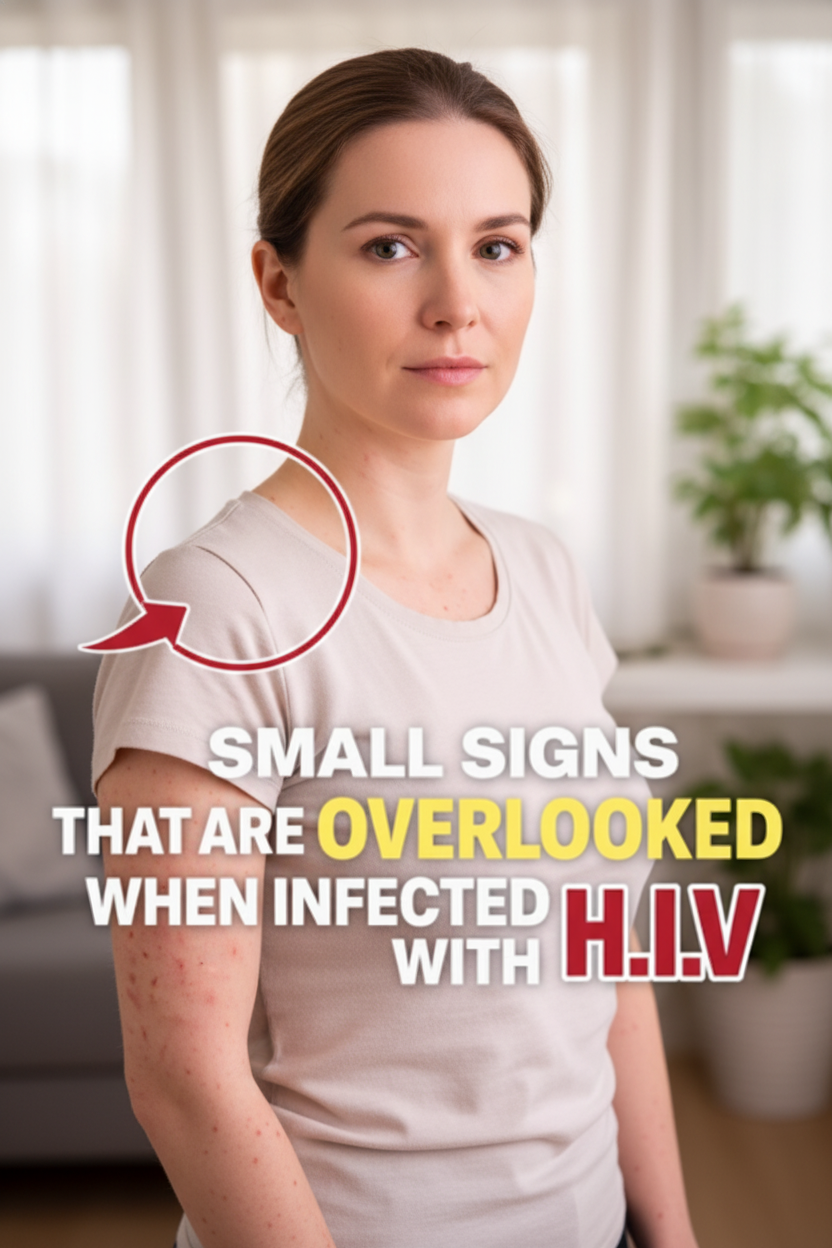
- Rashes: Your skin might start acting up, developing unusual spots or rashes as your immune system tries to fight back against the virus.
Why These Symptoms Happen: Your Body’s Battle Cry
What’s going on inside? Your immune system is basically throwing a fit, responding to the uninvited guest (the virus) by causing inflammation. This triggers symptoms that mimic other common viral infections. But here’s the kicker: while these signs alone don’t automatically mean you have HIV, if you’ve had a potential exposure, it’s not a drill. It’s time to get tested. No ifs, ands, or buts.
What to Do if You Experience Flu-Like Symptoms After Exposure: Act Fast, No Hesitation
It’s super tempting to just brush off mild symptoms as ‘just a passing bug,’ but if you’ve had a potential HIV exposure, you absolutely cannot afford to dilly-dally. It’s critical to act fast. Here’s your game plan:
- Get Tested for HIV: Stop messing around. The sooner you know, the sooner you can take decisive action. Knowledge is power, and in this case, it could be life-saving.
- Consult a Healthcare Provider: Don’t play doctor with yourself. Hit up a professional who knows their stuff. They can help you make sense of your symptoms and guide you on the crucial next steps.
- Avoid Risking Others: Until you’re crystal clear on your status, keep it safe. Avoid any activities that could potentially expose others to HIV. Be responsible, capiche?
Commonly Overlooked Symptoms: The Sneaky Ones You Might Miss
Some early HIV infection signs can fly completely under the radar, or they might seem totally unrelated to a potential exposure. Don’t let these catch you off guard:
- Night Sweats: Waking up drenched like you ran a marathon in your sleep, for no apparent reason? This unexplained sweating, especially at night, can be an early signal.
- Fatigue: Feeling unusually tired or completely drained, even when you’ve had enough rest to hibernate? That persistent, unexplained fatigue could be a sign.
- Muscle and Joint Aches: Your body feeling like you just went 12 rounds with a heavyweight champ? Aches in your muscles and joints can also be indicators of an early infection.
FAQ: Answering Your Common Questions – Straight Talk, No Fluff
Got questions? We’ve got answers. Let’s clear up some common concerns:
- Can flu-like symptoms always mean I have HIV?
Nah, not always. Your body can pull this stunt and mimic flu symptoms for a whole bunch of reasons, not just HIV. The *only* way to know for sure, 100%, is to get tested. Period. - How soon can I get tested for HIV after potential exposure?
You can hit up an HIV test as early as two weeks after a potential risky encounter. But for the most accurate and solid answer, most experts recommend aiming for around 4 weeks. That’s when the tests usually give the clearest picture. - What should I do if I don’t have symptoms but think I was exposed?
Listen up: no symptoms doesn’t mean no risk. Loads of people don’t feel a single thing for weeks or even months after exposure. If you suspect you were exposed, it’s absolutely crucial to get tested. No excuses, your health is on the line.
Key Takeaways: The Bottom Line You Need to Remember
Flu-like symptoms popping up 2 to 4 weeks after a potential HIV exposure are common, but they’re not exclusive to HIV. Other infections can also cause them. However, if you even remotely suspect you’ve been exposed, it’s absolutely non-negotiable to seek medical advice and get tested. Early detection isn’t just a good idea; it can make a world of difference in managing your health and stopping the spread of HIV. Be smart, be safe, be informed.
Disclaimer: Read This, Seriously
The information dished out here is purely for educational purposes and is NOT a substitute for professional medical advice. For any diagnosis, treatment, or health concerns, always, ALWAYS consult a qualified healthcare provider. Don’t play guessing games with your health.
Share facebook Share on Facebook twitter Share on Twitter pinterest Share on Pinterest Share More More + linkedin Share on Linkedin vk Share on Vk reddit Share on Reddit tumblr Share on Tumblr viadeo Share on Viadeo buffer Share on Buffer pocket Share on Pocket whatsapp Share on Whatsapp viber Share on Viber email Share on Email skype Share on Skype digg Share on Digg myspace Share on Myspace blogger Share on Blogger YahooMail Share on Yahoo mail telegram Share on Telegram Messeng
Hey there, health warrior! We’re stoked you made it to the end of this crucial read. Your well-being is our top priority, and we’ve got tons more straight-talk content designed to empower you. Don’t stop here! Dive into more of our quality articles on dogpjs.com to keep yourself informed, healthy, and ahead of the curve. Your journey to better health starts now!