 By admin
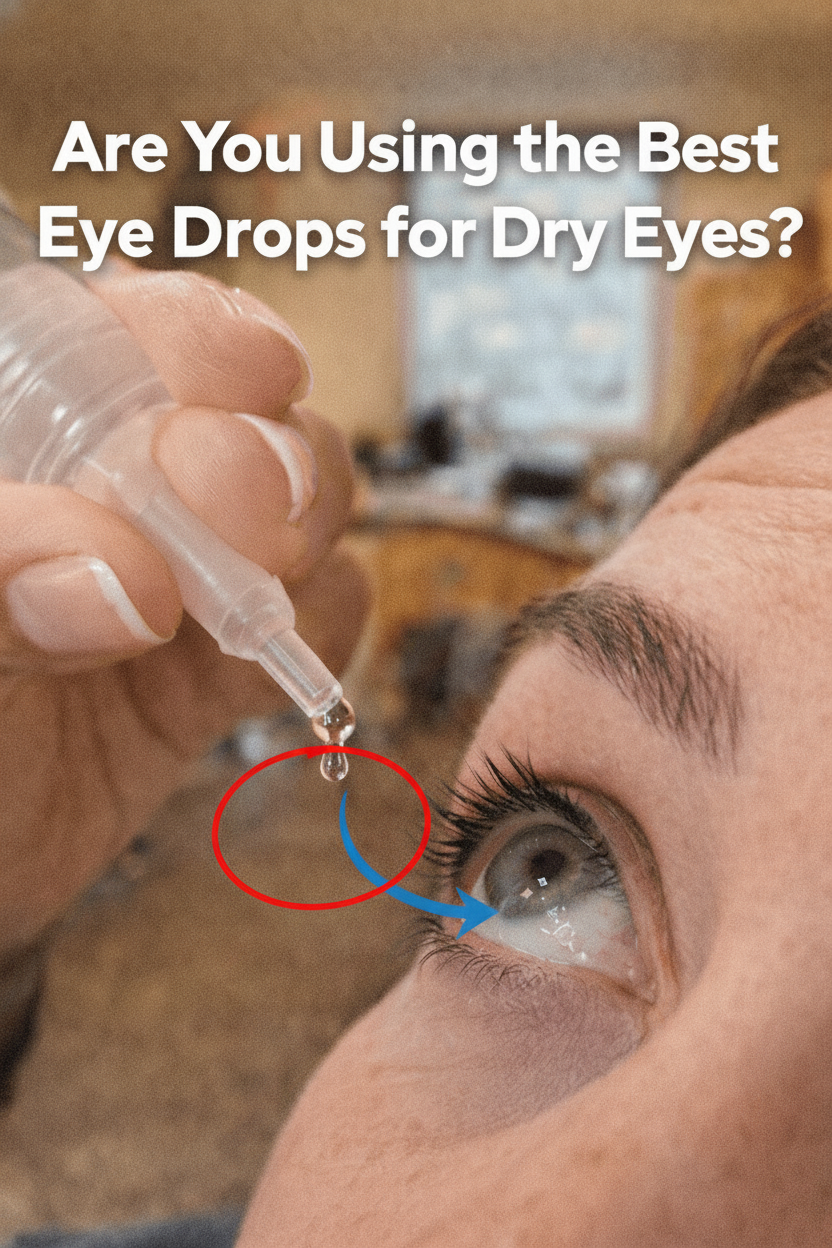
 Stop the Agony: Are You Drowning Your Dry Eyes in the WRONG Drops? Get the Real Relief You Deserve!
That gritty, burning hell in your eyes? It ain’t just a bad day – it’s a constant battle, turning your life into a blur of discomfort. Hours glued to screens, that blasted dry air, or just the relentless march of time can leave your peepers feeling like sandpaper, red, and downright miserable. Most folks just grab the first bottle of eye drops they spot at the pharmacy, praying for a quick fix, only to get slapped with disappointment when that relief vanishes faster than your paycheck. But here’s the straight talk: understanding a few crucial differences in your eye drop game can change everything, bringing you real comfort, day and night. In this no-BS guide, you’re gonna uncover smart moves to pick the right dry eye drops and use ’em like a pro. Stick with me, because there’s one simple trick most people totally miss that can seriously upgrade your daily eye comfort.
Understanding Why Your Eyes Feel Dry
Dry eyes happen when your tears don’t pull their weight, failing to lubricate enough, or when they just bail too quickly. This common headache plagues millions of adults, especially those chained to digital screens for hours or stuck living in arid zones. But here’s the kicker many don’t get: not all dryness is created equal. Some folks just deal with a little occasional annoyance, while others are battling persistent irritation that messes with their work and even their sleep. Research spills the beans: often, it’s about your eyes skimping on tear production or dishing out low-quality tears. Factors like age, certain meds, rocking contact lenses, and even just the environment can crank up the problem over time.
Choosing the Right Type of Eye Drops
Listen up! Not every eye drop works the same magic. The real secret? Matching the product to what YOUR eyes actually need, instead of just grabbing whatever’s on clearance. Here’s a quick rundown of the main players:
- Artificial Tears: These are the go-to choice for everyday dry eye relief. They basically fake it ’til you make it, mimicking natural tears and lubing up the surface of your eye.
- Preservative-Free Drops: Your absolute best bet if you’re hitting those drops more than four times a day. They come in handy single-use vials, cutting down the risk of making things worse with irritating preservatives.
- Gel Drops and Ointments: Want serious staying power? These deliver thicker, longer-lasting moisture. They’re especially clutch at bedtime because, fair warning, they might blur your vision for a bit.
Honestly, for mild cases, starting with basic artificial tears often does the trick. But if you’re constantly reaching for that bottle like it’s your lifeline, it’s high time you explored preservative-free options or those heavy-duty, thicker formulas.
How Often Should You Use Eye Drops?
A lot of people ask, “How much is too much?” Generally, using lubricating drops as needed is safe, but your frequency can be a tell-tale sign about your actual eye comfort level. If you’re squirting drops more than four times daily, seriously consider upgrading to preservative-free versions. These single-dose wonders minimize your exposure to additives that could totally backfire and cause sensitivity with frequent use.
For some sweet nighttime relief, a tiny dab of gel or ointment before you hit the hay can keep your eyes swimming in moisture while you snooze. Just remember, these thicker products might make things blurry for a bit, so they’re best deployed when you’re ready to catch some Zs.
Simple Daily Habits That Support Better Eye Comfort
Here’s the deal: eye drops are good, but they work even better when you back them up with some smart daily habits. Here are practical steps you can kick off today:
- Take regular screen breaks using the 20-20-20 rule: every 20 minutes, look at something 20 feet away for 20 seconds. Give those eyes a break!
- Stay hydrated like your life depends on it – drink enough water throughout the day.
- Sling a humidifier in dry indoor spaces, especially during those brutal winter months or in air-conditioned rooms.
- Position your computer screen slightly below eye level to dodge that nasty eye strain.
- Remove eye makeup gently and, for crying out loud, avoid rubbing your eyes like you’re trying to start a fire.
These small changes aren’t just tips; they’re game-changers that can slash how often you need drops and help your eyes feel naturally comfortable.
When to Consider Prescription Options
If those over-the-counter drops and all your lifestyle tweaks aren’t cutting it, then it’s time to get a pro involved. Seriously, hit up an eye care professional. They can size up your specific situation and lay out other options that are on the table. Prescription eye drops are out there for certain types of dry eye conditions, but let’s be clear: they aren’t for everyone. An eye doctor can give you the real lowdown on whether they might be the right move for your needs.
Comparing Popular Eye Drop Types
Here’s a quick and dirty comparison to help you see the differences at a glance – no guesswork needed:
- Artificial Tears (Standard): Good for mild dryness, won’t break the bank, comes in multi-dose bottles, but watch out – they might contain preservatives.
- Preservative-Free Artificial Tears: Your MVP for frequent use, comes in single vials, usually costs a bit more, but it’s way gentler on sensitive eyes.
- Gel Drops: Thicker, like a comforting blanket for your eyes.
So, there you have it – the real talk on getting your dry eyes under control! Don’t let discomfort hold you back. Take these tips, make smart choices, and give your eyes the relief they truly deserve. We’ve got tons more straight-shooting advice and expert insights waiting for you on dogpjs.com. Keep exploring, keep learning, and keep those eyes feeling fantastic!
”
}
“`