 By admin
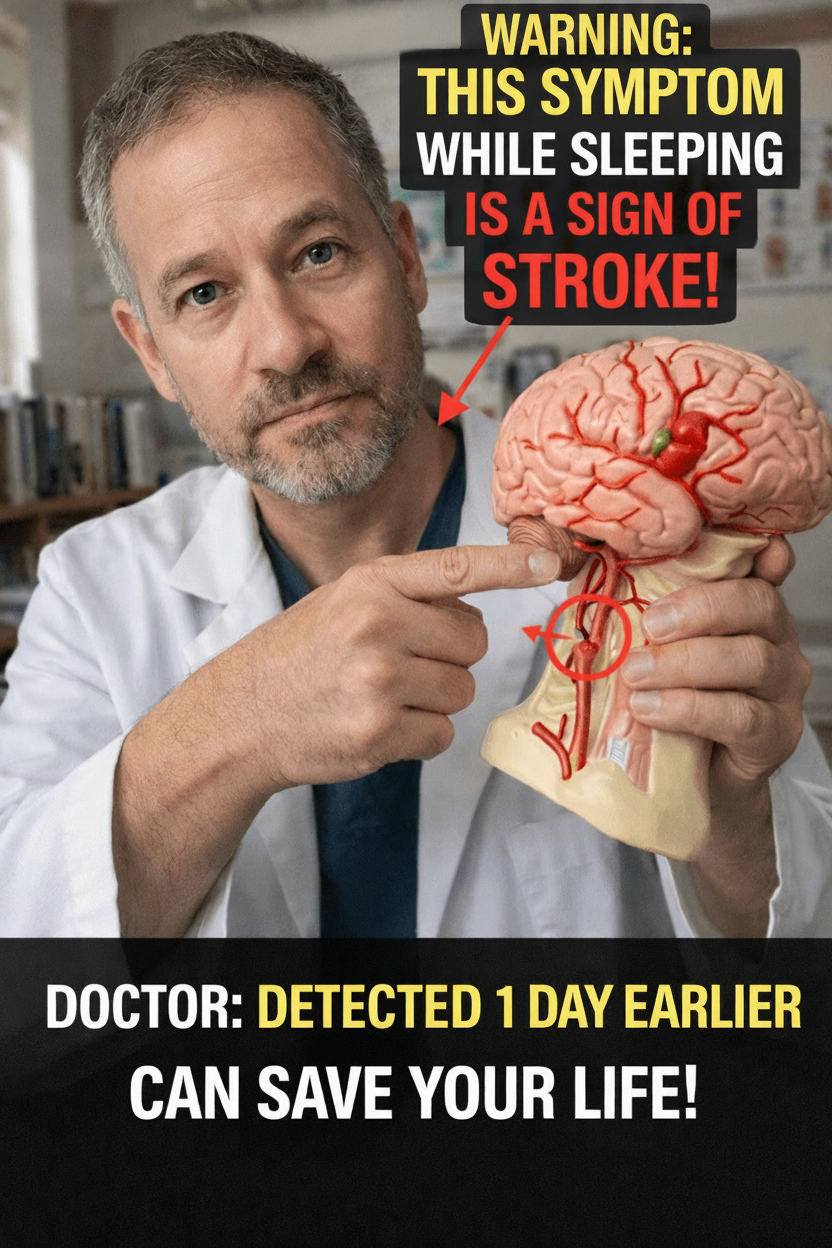
 Ever hit the hay feeling totally fine, only to wake up and think, “Whoa, what just happened?” We’re talking about that sudden arm numbness, a weird heavy feeling on one side of your face, or even struggling to string a sentence together right after you open your eyes. These moments? They can be seriously confusing, even unsettling, especially when they vanish as quickly as they appeared, making you brush them off as “nothing big.” But here’s the straight-up truth: those bizarre changes you notice right after waking up? They can be a serious red flag about how blood is flowing to your brain while you’re catching Z’s. And listen, this is the crucial bit most folks totally miss: actually paying attention to your body’s whispers during your sleep routine could be a game-changer. It helps you catch patterns early and make some simple moves to seriously boost your brain health.
Understanding What’s Up with Wake-Up Weirdness and Your Brain’s Blood Flow
Let’s get real for a second: strokes aren’t just a daytime thing. They can hit anytime, even when you’re deep in dreamland. In fact, studies spill the beans that a shocking one in seven strokes happens overnight – yeah, we call ’em “wake-up strokes.” The kicker? You don’t even know it’s happening until you wake up and suddenly something’s just… off. Why does this matter so much? Because top-tier organizations like the American Academy of Neurology are screaming it: if doctors don’t know exactly when that stroke started, it can seriously shrink the window for life-saving treatments. So, folks, that’s precisely why being sharp about any unusual sensations right after you wake up isn’t just “good to know”—it’s absolutely critical for your brain health.
And then there are those sneaky little devils called Transient Ischemic Attacks (TIAs) – or as most folks know them, “mini-strokes.” These aren’t the full-blown deal, but they’re still a big deal. They’re brief moments where the blood flow to your brain gets temporarily cut off. The symptoms? They’re basically a carbon copy of a full stroke, but here’s the catch: they usually disappear within minutes to an hour. Now, don’t you dare think that just because they fade, they’re nothing. Every expert worth their salt will tell you that TIAs are massive, flashing red warning lights. They’re your body’s way of screaming, “Heads up! Something bigger might be coming down the pike in the next few days or weeks!”
So, what exactly are these common, unsettling stroke symptoms or TIA symptoms people report noticing when they drag themselves out of bed?
- Suddenly, one side of your face, arm, or leg feels numb or weak – like it’s just checked out.
- You’re struggling to speak clearly, or the words just vanish from your head.
- Your vision goes wonky – maybe blurry in one eye, or both.
- Trying to stand up, you feel like you’re walking on a boat, totally losing your balance or coordination.
- A headache hits you like a ton of bricks, and it feels completely different from any headache you’ve ever had.
Let’s be crystal clear: NONE of these are just “normal” parts of waking up. If any of these pop up, even for a fleeting second, you’d be a fool not to pay serious attention. Write it down, remember it, and for heaven’s sake, don’t ignore it!
Why Your Brain Might Be Acting Up While You’re Asleep
Look, your brain isn’t just chilling out when you’re asleep; it needs a constant, steady stream of blood flow 24/7. While you’re snoozing, your blood pressure and heart rhythms naturally do a little dance. But here’s where things can go sideways: conditions like sleep apnea, where your breathing keeps stopping and starting like a broken record, can put a massive strain on your blood vessels and starve your brain of precious oxygen. And trust me, the research is screaming it: ignoring sleep apnea seriously ramps up your risk for major cardiovascular issues, including those nasty events that mess with your brain. What else contributes to this mess? Think high blood pressure, wonky heart rhythms, puffing on cigarettes, and certain not-so-great lifestyle choices. Plus, those early morning hours? That’s when your blood pressure often naturally spikes, and some studies link this to a higher risk of vascular events. But hey, don’t despair! Here’s the good news, the real silver lining: a ton of these risk factors? You can actually tackle them head-on with some simple, everyday healthy habits.
Seriously, even tiny, consistent tweaks to your routine can work wonders, helping to keep that blood flow to your brain smooth and healthy for the long haul.
Game-Changing Habits to Protect Your Brain While You’re Dreaming
You don’t need to turn your life upside down to boost your brain health while you sleep. Start with these no-brainer, practical steps – you can kick them off tonight!
- Stick to a consistent bedtime and wake-up time, no matter if it’s a weekday or a wild weekend. Your body loves routine!
- Transform your bedroom into a cool, dark, quiet sanctuary. Think cave, but comfy.
- Lay off the heavy grub, caffeine, and screens right before bed. Give your brain a break!
- And this is key: if you’re a loud snorer, or you’re dragging all day, seriously, talk to a healthcare pro about your sleep quality. It could be a sign of something like sleep apnea that needs attention.
But it’s not just about your sleep setup. Don’t forget the power of daily movement, chowing down on balanced meals, and staying properly hydrated. These are all huge players in keeping your overall vascular health in tip-top shape.
The FAST Method: Your Quick Fire Check-Up When Every Second Counts
When it comes to those scary moments, medical pros aren’t messing around. They swear by the FAST method – it’s your rapid-fire way to spot potential stroke symptoms and assess changes quickly. Get this into your head:
- Face: Look closely. Does one side of their face droop when they try to smile? It’s a dead giveaway.
- Arms: Ask them to raise both arms. Does one arm drift downward, or can’t they lift it as high as the other?
- Speech: Listen up! Is their speech slurred? Are they having trouble making sense, or is it just plain hard to understand them?
- Time: This is crucial. If you spot ANY of these signs, even just one, note the exact time it happened and get help – like, RIGHT AWAY. Don’t waste a single second!
And seriously, don’t let those disappearing acts fool you. Even if the stroke symptoms vanish faster than a free pizza, you still NEED to get checked out. A medical pro can dig into what actually went down and tell you exactly what your next move should be for your brain health.
Your Lifestyle: The Unsung Hero (or Villain) for Your Brain’s Blood Vessels
Let’s talk about the daily grind. The choices you make every single day can seriously impact how well your blood vessels are doing their job. Pay attention to these lifestyle factors:
- Get a grip on your blood pressure! That means smart eating, getting active, and taking your meds if your doctor says so.
- Keep that cholesterol and blood sugar in check. Don’t let them run wild and mess with your system.
- Maintain a healthy weight. It’s not just about looking good; it’s about feeling good and protecting your insides.
- Cut back on the booze and, for the love of your brain, absolutely NO smoking!
- Get moving! Regular physical activity, even just a brisk 30-minute walk most days, is a total game-changer for your vascular health.
The science is crystal clear: by seriously tackling these areas, you can dramatically slash your overall chances of experiencing nasty vascular events that threaten your brain health. Remember, your brain is your most valuable asset – treat it like gold!
Don’t let these crucial insights just fade away! Your brain is worth fighting for. Keep an eye on those subtle signals, because sometimes, a whisper can prevent a shout. We’re here to empower you with knowledge, so dive deeper into our treasure trove of articles on health, wellness, and so much more. Your journey to a sharper, healthier you starts now!
Stay informed, stay healthy!
The dogpjs.com Team</