 By admin
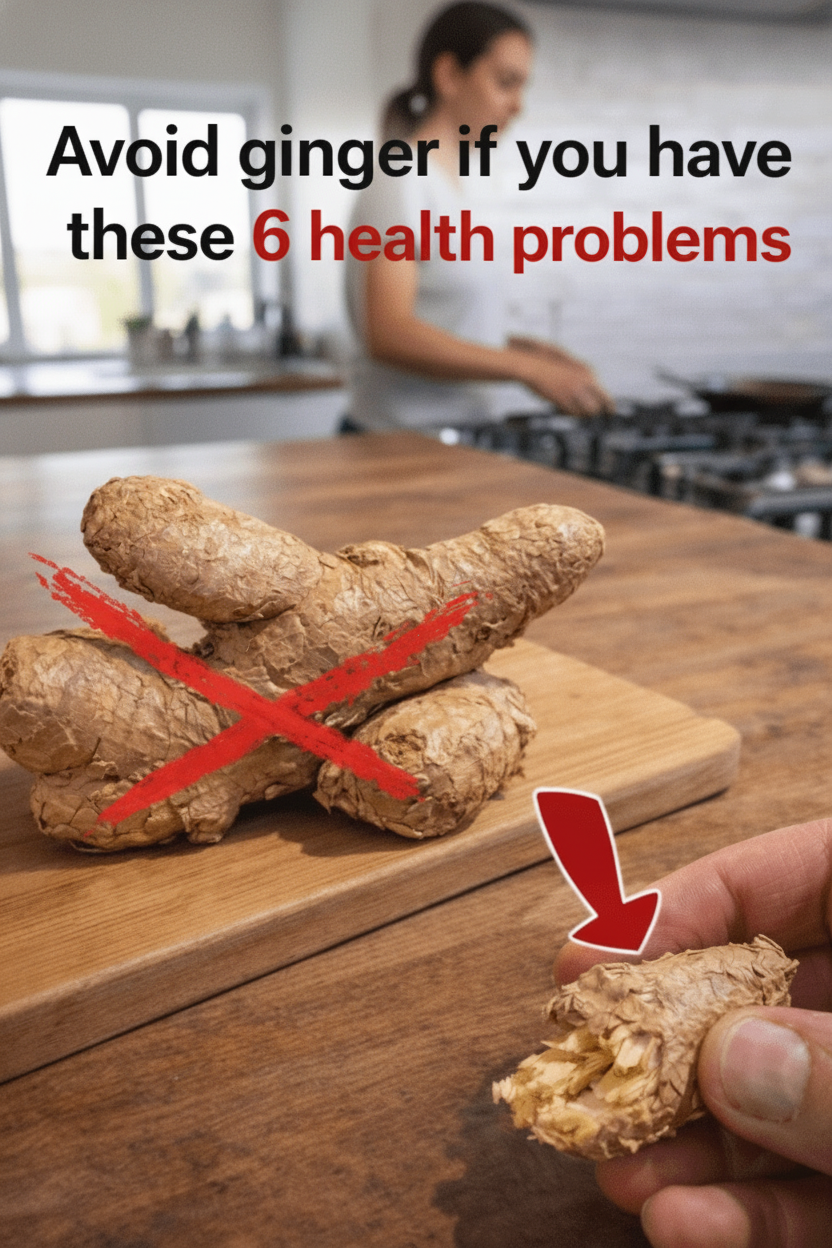
 Ginger’s Dark Side: 6 Times This ‘Healthy’ Root Might Be Your Worst Enemy
So, you’re a ginger fanatic, huh? That fiery kick in your tea, smoothies, or stir-fries? Absolutely love it! But hold your horses, because while this root is a superstar for many, for some folks, it’s a one-way ticket to discomfort or a straight-up clash with their health. *Don’t get caught playing guessing games with your gut!* A lot of people just assume ginger is always the safe, natural choice, only to find themselves battling stomach upsets or other nasty surprises later. That’s why getting the lowdown on when ginger might not be your best bud is crucial – it helps you make smarter daily choices without any unnecessary drama. Here’s the kicker most people miss: even common kitchen staples like ginger have specific situations where you absolutely should pump the brakes, and the reasons go way beyond just ‘it’s too spicy.’
Why Ginger Affects People Differently – It’s Not Just You!
Ginger isn’t just a pretty face; it’s packed with power players like gingerols and shogaols. These are the compounds that give it that signature zing and warming sensation. But these bad boys don’t just sit there – they get right into influencing your digestion, blood flow, and even how your body handles certain meds or everyday symptoms. While ginger is a crowd-pleaser, research spills the tea: it might not be everyone’s cup of… well, ginger tea, especially in higher doses. Studies have dug deep into how ginger messes with your body’s systems, particularly your digestive tract and the way your blood moves. For the sensitive souls out there, even a moderate amount can sometimes trigger noticeable effects. This doesn’t mean ginger is evil for everyone – it just means a little awareness goes a long way in enjoying it safely. *Knowledge is power, people!*
6 Situations Where You Might Need to Ditch the Ginger (or at Least Dial It Down)
Alright, listen up! Here are six common health scenarios where many health pros are shouting from the rooftops to be super careful with your ginger intake:
- Blood Thinning Concerns: Ginger can play a little game with your blood clotting. If you’re already on meds that affect clotting or if you’ve got a bleeding risk, you better keep a hawk’s eye on your ginger consumption. *Don’t risk a bloodbath!*
- Low Blood Pressure: That warming sensation ginger gives? It can sometimes make your blood vessels chill out too much, potentially making things worse if you’re already dealing with low blood pressure.
- Gallbladder Issues: Ginger loves to get your bile flowing, so if your gallbladder is already acting up, regular ginger use might just crank up the discomfort. *Nobody wants that kind of pain!*
- Acid Reflux or Heartburn: For some, ginger’s spicy personality can make that lower esophageal sphincter loosen up – and that’s a direct highway for occasional reflux symptoms to get worse.
- Pregnancy-Related Nausea Management: Yeah, ginger gets touted for morning sickness, but high doses? That’s a serious convo you need to have with your doctor, pronto, because its effects are no joke.
- Upcoming Surgery: Because ginger can mess with your bleeding time, most surgeons will tell you to cut it out at least two weeks before any planned procedure. *Seriously, don’t be that patient who causes a delay!*
But hey, that’s just scratching the surface. Let’s peel back another layer and see how these situations actually play out in your daily grind.
How Ginger Really Gets Down with Your Body
Those potent compounds in fresh or dried ginger can actually speed up the whole digestive process for many people – which is exactly why it’s often your go-to after a monster meal. But here’s the flip side: that same turbocharged action can feel like a freight train if your system is already sensitive. One fascinating tidbit from various studies is that ginger’s effects aren’t one-size-fits-all; they totally change depending on whether it’s fresh, dried, powdered, or steeped as tea. The concentration of those active ingredients shifts with how you prep it, which totally explains why some people can handle a little bit in their cooking but freak out over concentrated supplements or super-strong teas. *It’s all about the dosage, baby!*
Here’s a quick comparison to help you think about your own habits:
- Fresh ginger root (used in cooking): Generally milder, easier on most tummies in small doses.
- Dried ginger powder or strong tea: This is where the active compounds get concentrated, so expect a more intense ride.
- Ginger supplements or capsules: Often the heavy hitters, the most potent form, demanding the most caution.
This difference is a big deal, because what feels perfectly fine in your stir-fry might send your system into a complete meltdown if you’re popping it daily as a supplement. *Don’t learn the hard way!*
Practical Tips for Using Ginger Wisely (So You Don’t Regret It)
If you’re still a ginger enthusiast but want to play it safe, here are some no-brainer steps you can take right now:
- Start small! Just a tiny bit in your favorite dishes and pay close attention to how your body reacts over a few days.
- When in doubt about your tolerance, always go for fresh ginger over those super-concentrated forms.
- Keep a log! Jot down any changes you feel after eating ginger – note the time, how much, and any symptoms in a simple notebook or on your phone.
- Mix it up! Try alternating ginger with other warming spices like turmeric or cinnamon to vary your intake and give your system a break.
When in doubt about medications or any nagging health concerns, seriously, just have a quick chat with your doctor or a qualified healthcare professional. Your body, your rules, but always make sure you’ve got the straight facts! *Your health is worth it!*
Thanks for diving deep into the world of ginger with us! We hope this guide empowers you to make smarter choices for your health. Don’t stop here – explore more of our expert health insights and tips right here on dogpjs.com. We’re always here to serve up quality content you can trust!