 By admin
 Busted! Toothpaste vs. Pests: Is This Viral Hack a Genius Move or Total BS?
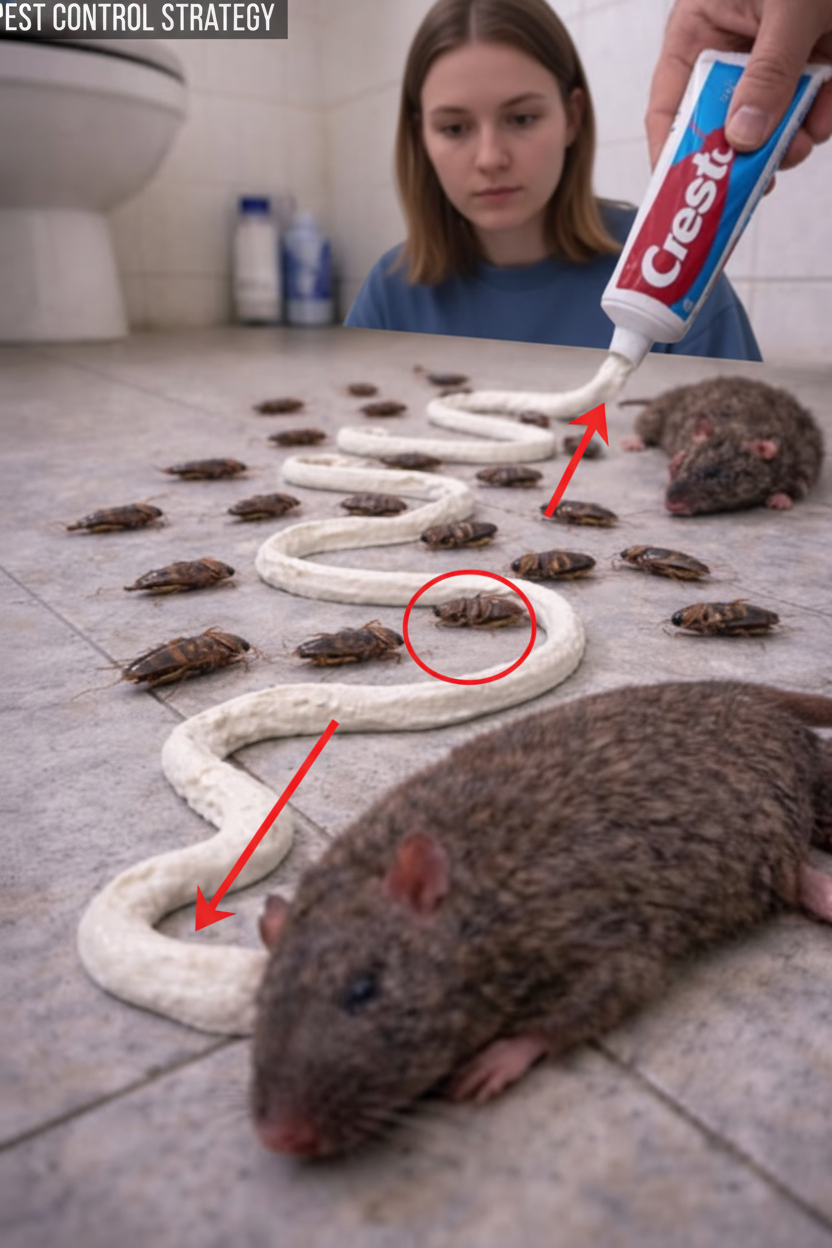
Alright, folks, listen up! You’ve seen the videos, right? That “viral home hack” blowing up your feed, promising toothpaste is your magic bullet against creepy crawlies like ants, roaches, mosquitoes, and all sorts of other nasty bugs. The pitch is slick: just slather that minty goo around your windows, doors, cracks, counters, or even out in the garden. They say that powerful mint scent is supposed to send those pests packing. And yeah, some clips even show ants doing a U-turn from a toothpaste line or bugs scramming from a treated spot. Sounds too good to be true, doesn’t it? Spoiler alert: It probably is.
Now, hold your horses. While pure mint – especially peppermint oil – does show some repellent power in actual scientific studies, let’s be blunt: slapping toothpaste everywhere as a reliable pest repellent? That’s mostly a load of baloney, a straight-up myth riding on a tiny wave of “my cousin’s friend tried it” stories. We’re about to drop some truth bombs on you, so buckle up for the real, evidence-based breakdown.
Why This Hack Sounds Like a Genius Idea (But Is Mostly Hot Air)
- The Minty Mirage: Look, many toothpastes do pack peppermint oil, and yeah, pure peppermint oil has been shown to give ants and spiders the creeps in some lab tests. But here’s the kicker: we’re talking about the pure, potent stuff, not the diluted dribble in your Colgate.
- “My Neighbor Said…” Stories: Of course, you’ll find folks swearing up and down that ants run for the hills from their toothpaste lines or that it magically seals tiny cracks. We call those “anecdotal reports,” meaning “someone said it happened,” not “science proved it.”
- The Other Stuff: What about fluoride or baking soda? Sure, they’re mildly abrasive or antibacterial for your teeth, but for insects? Nah, not exactly their kryptonite.
Now for the cold, hard truth, people: There isn’t a single, solid scientific study out there that backs up toothpaste as an effective, long-term pest repellent. In fact, if you’re using a sweet-flavored toothpaste, you might just be throwing a sugary party for those ants instead of kicking them out! The mint effect in toothpaste is usually way too weak and diluted to make any real difference. It’s like bringing a water pistol to a fire fight.
Toothpaste vs. The Bug Squad: Who Wins? (Spoiler: Not You, if You’re Using Toothpaste)
Let’s get down to brass tacks. You wanna know if your everyday toothpaste can really stand up to the most annoying invaders? Here’s the brutal truth, pest by pest. Don’t say we didn’t warn you!
| Pest | Claimed Effect | Evidence/Reality |
|---|---|---|
| Ants | Avoids lines; blocks entry | Anecdotal (some avoid mint); often attracted to sweet toothpaste |
| Cockroaches | Repels or kills | Myth; boric acid in some pastes toxic if eaten, but not reliable |
| Mosquitoes | Repels bites | No; toothpaste soothes bites (cooling), not prevents |
| Spiders/Flies | Deters | Weak mint scent; temporary at best |
And if you’re still clinging to hope because “some DIY sites suggested it,” know this: the real pest control pros? They’ll flat-out tell you it’s a joke. It’s utterly useless compared to actual, proven methods like sealing up your house or using proper baits. Seriously, don’t waste your time or your toothpaste.
Why This “Hack” Is a Total Pain (And Might Even Backfire)
- The Sticky Situation: Let’s be real, you’re smearing toothpaste around your house. It’s gonna be messy, sticky, and a pain to clean up. Not exactly a pristine home solution, is it?
- The Ant Party Invitation: Remember how we said ants like sweets? If your toothpaste is flavored (and most are!), you’re not repelling them; you’re basically laying out a sugary welcome mat. Congratulations, you just invited more ants!
- Zero Long-Term Game: Even if it did deter a bug for a hot minute, the effect wears off faster than your New Year’s resolutions. Those pests will be back, bolder than ever, laughing at your minty defense. You’ll be scrubbing and reapplying forever, and for what? Nothing!
Ditch the Toothpaste: REAL Natural Ways to Send Pests Packing
- Pure Peppermint Power: If you’re serious about mint, go for the good stuff: pure peppermint essential oil. Dab it on cotton balls, put it where pests roam. It’s concentrated, it’s potent, and it’s what actually works, unlike its diluted cousin in the tube.
- Vinegar & Cinnamon – The Scent Squad: These aren’t just for cooking, folks! Vinegar and cinnamon create proven scent barriers that many pests absolutely despise. They’re cheap, effective, and won’t leave your house looking like a giant dental experiment.
- Diatomaceous Earth & Boric Acid – The Heavy Hitters: For a more serious takedown, these are your go-to. Diatomaceous Earth is a natural, non-toxic powder that dehydrates insects, and boric acid (used carefully!) can be a deadly stomach poison for pests. These are actual killers, not just temporary scare tactics.
- When All Else Fails: Call in the Pros: Look, if you’ve got a full-blown invasion, don’t mess around with DIY hacks. You need the big guns. Call a professional pest control service. They’ve got the tools, the knowledge, and the solutions to get rid of those unwelcome guests for good.
The Verdict Is In: A “Fun Hack” That’s Anything But Shocking or Reliable!
So, what’s the final word on this viral toothpaste trend? Yeah, maybe, just maybe, the mint in your toothpaste will make an ant pause for a second before it finds another way in. But let’s be crystal clear: this is not a “shocking” breakthrough, and it’s certainly not a proven pest repellent. It’s 99% myth, 1% temporary distraction. Go ahead, try it for a super minor, “I’m just bored” kind of issue, but for the love of all that’s holy, do not rely on it for actual pest control. You want real results? Get serious: clean up your entry points, seal those cracks, and use methods that are actually backed by evidence, not TikTok trends.
Your Burning Questions Answered (Because We Know You’re Still Curious!)
- “So, it never works for ants?” Look, sometimes, for a hot minute, they might detour around a fresh blob of minty paste. But mostly? Nah. They’ll find a way, especially if your toothpaste smells like a dessert.
- “If I insist on trying, what’s the best toothpaste type?” If you’re really determined to waste your toothpaste, go for a strong, plain mint paste. Absolutely steer clear of anything sweet, fruity, or gel-based unless you want to roll out the red carpet for more bugs.
- “Is it safe to use around the house?” In small amounts, yeah, it’s not going to poison your family (unless they start eating it, which… don’t). But seriously, keep it away from food prep areas. It’s still toothpaste, not a food-grade repellent.
Quick Reality Check / Legal Mumbo Jumbo: Just so we’re clear, this article is for your information and entertainment, not a substitute for actual pest control advice. Any “results” you hear about are mostly just stories, not hard facts. Got a real infestation? Don’t play around with toothpaste; call a professional, stat! And remember, everyone’s experience is different, but the science doesn’t lie.
Whew! There you have it, folks – the unfiltered truth about toothpaste and pests. We hope we’ve saved you some time, some toothpaste, and a whole lot of sticky messes. Don’t let those viral ‘hacks’ fool you when it comes to keeping your home pest-free. We’re always here to arm you with the real facts and practical tips to make your life easier and your home happier. Keep exploring `dogpjs.com` for more game-changing insights and expert advice – your smart home journey has just begun!