 By admin
 Baking Soda on Your Face: The Raw Truth About Benefits, Risks, and How Not to Screw Up Your Skin!
Feeling like your skin’s stuck in a rut? Dull, uneven, maybe a bit… blah? And let’s be real, you’ve probably shelled out good money on a gazillion pricey products that promised the moon but delivered squat. Sound familiar?
With social media blasting us with a never-ending stream of “natural beauty hacks,” it’s easy to feel like you’re missing out if you’re not whipping up potions in your kitchen. Especially when irritation or dryness starts creeping in, leaving you even more frustrated than before. That’s exactly why so many folks are tempted to grab that humble box of baking soda, thinking it’s their skin’s next gentle savior.
But hold up! This isn’t some magic fairy dust, and its high pH level means you absolutely CANNOT just slather it on without knowing the full damn story first. Stick with me, because I’m about to drop some real talk – a practical, no-BS guide that thousands of everyday users swear by. Plus, I’ve got one surprising extra tip that many readers absolutely adore for boosting their daily glow without adding a single extra step. You don’t want to miss this!
What Baking Soda Actually Does on Your Skin
Alright, let’s get down to brass tacks. Baking soda, or sodium bicarbonate if you wanna sound fancy, is that plain white powder chilling in most kitchen cabinets. When you mix it with water or some other hydrating goodness, those tiny particles go to work like a mild physical exfoliant. What does that mean? It helps scrub away dead skin cells from the surface, leaving your complexion feeling temporarily smoother and looking a bit brighter right after you use it. Think of it as a quick polish for your skin.
Dermatology pros have even pointed out that baking soda can act as a gentle neutralizer. It might help balance out that annoying excess acidity on oily or breakout-prone skin, which is why some people feel super clean after a light application. But here’s the kicker – the one thing most viral videos conveniently forget to mention: its effects are strictly surface-level, fam. It ain’t digging into deeper layers, it won’t change your melanin production (no instant glow-up to perfect skin!), and it sure as hell won’t fill in your fine lines. The results you see? They’re short-term, and they depend entirely on how carefully you play your cards.
Potential Benefits People Often Mention
Look, plenty of home beauty enthusiasts sing praises, especially when they keep things light and don’t go overboard. Here are the most common wins people talk about:
- Gentle exfoliation that can actually improve skin texture for those whose skin isn’t super sensitive.
- That amazing, refreshed, super-clean feeling after rinsing.
- It’s dirt cheap and you can find it literally anywhere – always available at any grocery store.
- Easy to mix and match with other common kitchen items to make it more tolerable for your skin.
These little perks make baking soda pretty appealing, especially if you’re trying to save a buck and those commercial scrubs feel like sandpaper on your face. Who doesn’t love a budget-friendly glow?
Important Risks You Shouldn’t Overlook
Before you go all in and grab that box, hit the brakes! It’s smart to pause and listen up. Baking soda is naturally alkaline, chilling at a pH of about 8 to 9. Your healthy skin, on the other hand, is a delicate flower that thrives in a slightly acidic playground, usually around 4.5 to 5.5. See the problem here?
This huge pH difference can temporarily screw with your skin’s protective barrier if you’re not careful. And trust me, you don’t want that. Dermatologists are constantly warning that going overboard with this stuff can lead to a whole heap of trouble:
- Dryness or that awful, tight, uncomfortable feeling like your face is shrinking.
- Redness, itching, or mild irritation – basically, your skin screaming for help.
- Increased sun sensitivity, meaning you’re more likely to get burned or damaged.
- Making existing conditions like rosacea or eczema even worse. No, thank you!
If you’ve got open cuts, active inflamed breakouts (we’re talking angry zits here!), or super delicate skin, just skip it entirely. Seriously, don’t even think about it. A simple patch test on your inner forearm for 24 hours can save you from a nasty surprise on your face. Trust me, it’s worth the wait.
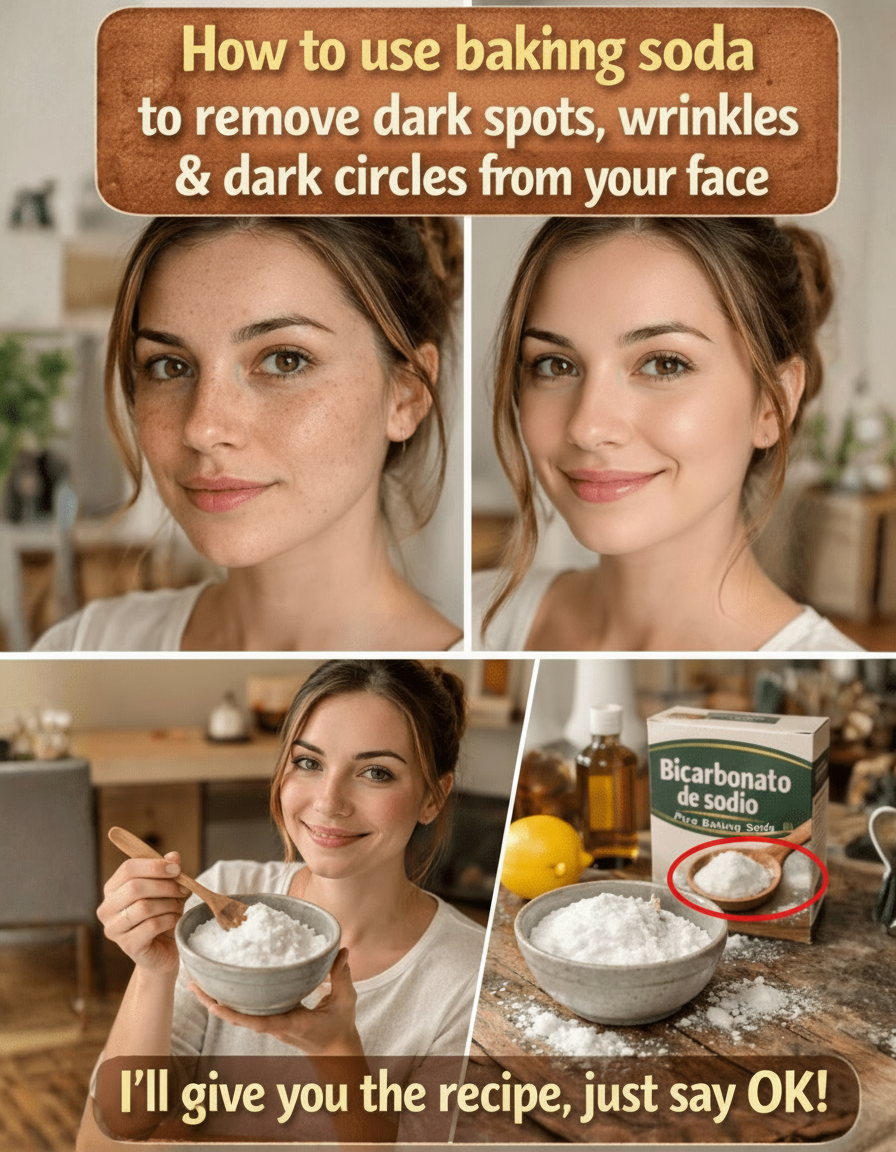
But that’s not the only warning shot. A lot of people mistakenly think “natural” automatically means “always safe.” News flash: even pantry ingredients demand respect! Your skin is talking to you – listen to its signals. It’s the smartest move you can make for your complexion.
How to Prepare and Use Baking Soda Safely at Home
Okay, so you’re still with me, huh? Your skin feels up for it, and you’ve passed the patch test with flying colors? Good. Now, remember: moderation is everything. Most experts suggest trying this no more than once a week to start. Any more than that, and you’re just asking for trouble. Here’s a straightforward, step-by-step blueprint to keep things gentle and effective.
Basic Gentle Exfoliating Paste
- Combine 1 teaspoon of plain baking soda with 2–3 teaspoons of water (or, for an extra gentle kick, use your favorite mild moisturizer) until you’ve got a smooth, spreadable paste. No lumps, please!
- Cleanse your face with your usual mild cleanser. Get all that grime off. Then, gently pat your face dry.
- Apply the paste using light circular motions. Think gentle massage, not industrial scrubbing. And for the love of all that’s holy, steer clear of the super delicate eye and lip areas.
- Massage softly for no more than 1–2 minutes – seriously, don’t scrub hard unless you want to look like a sunburnt tomato.
- Rinse thoroughly with lukewarm water. Make sure every last bit of that paste is gone.
- Pat dry and immediately follow up with your regular moisturizer. If you’re stepping outside, your daytime sunscreen is non-negotiable. Protect that freshly exfoliated skin!
This simple routine gives you that exfoliation many people love while keeping the risks to an absolute minimum. Stick to the script, and you’ll be golden.
Honey Version for Dryer or Normal Skin
Got skin that leans a bit dry, or just want some extra TLC? Mix 1 teaspoon baking soda with 1 tablespoon pure honey. The honey isn’t just for sweetness; it adds some seriously soothing, hydrating properties that can make the whole experience a lot more comfortable for your skin. Apply it the same way as the basic paste, leave it on for 3–5 minutes if your skin tolerates it well, then rinse it all off.
Coconut Oil or Plant Oil Blend for Extra Moisture
For those craving an extra dose of moisture, or if your skin needs a serious hydration boost, try this: Blend 1 teaspoon baking soda with 1 tablespoon of your favorite plant oil – think coconut oil, jojoba oil, or sweet almond oil. These oils will help cushion the baking soda’s effects and infuse your skin with nourishing hydration. Apply gently, massage for a minute, and then rinse thoroughly. Your skin will thank you for that extra silky touch!
So there you have it – the unfiltered truth about baking soda on your face. It’s not a miracle worker, but used wisely, it can be a decent tool in your skincare arsenal. Just remember to respect your skin, listen to its signals, and always prioritize safety over viral trends!
Loved this deep dive? Don’t stop here! We’ve got tons more practical, no-BS skincare tips and tricks waiting for you. Head back to dogpjs.com and explore our other articles to keep your skin looking its absolute best, without breaking the bank or taking unnecessary risks. Your skin deserves the best, and we’re here to help you get it!