 By admin
 Listen up, folks! You’re probably popping those daily vitamin pills, right? Hoping to shield your heart, strengthen your bones, and keep that brain sharp as you rack up the years. But hold your horses! There’s one crucial nutrient, a real player in blood clotting, that can throw a serious wrench in the works if you’re over 50, especially if you’re already on meds or dealing with circulation issues. This ain’t just some minor detail; it’s a wild mix of potential glory and hidden danger that’s got top neurologists seriously clued in. Why? Because the very same vitamin that’s your buddy in food can suddenly flip the script and mess with your blood flow. The good news? We’ve got the lowdown on how to snag all the benefits without getting burned. And trust me, it’s way easier than you think!
What Exactly Is This Vitamin and Why Does It Matter for Seniors?
So, what’s the big deal with this mystery nutrient, and why should you, a senior, care? We’re talking about Vitamin K, a fat-soluble powerhouse your body absolutely depends on, day in, day out. You’ve got two main players: K1, chilling in your leafy greens, and K2, rocking out in fermented foods and animal products. Your liver? It’s a genius, using Vitamin K to whip up proteins that slam the brakes on bleeding when you get a cut. Skimp on K, and suddenly, you’re looking at higher bleeding risks. But here’s the kicker for older adults! As the years roll by, our bodies start playing a different game with clotting. Loads of seniors are on blood-thinning meds, like warfarin, to dodge strokes or heart attacks. Now, here’s the sticky wicket: throwing in extra Vitamin K from supplements? That can totally mess with that finely tuned balance. Research ain’t shy about it: big, sudden boosts of Vitamin K can make those medications practically useless, leaving your arteries and veins open to nasty clots.
The Real Story Behind the “Stop Taking It” Warnings
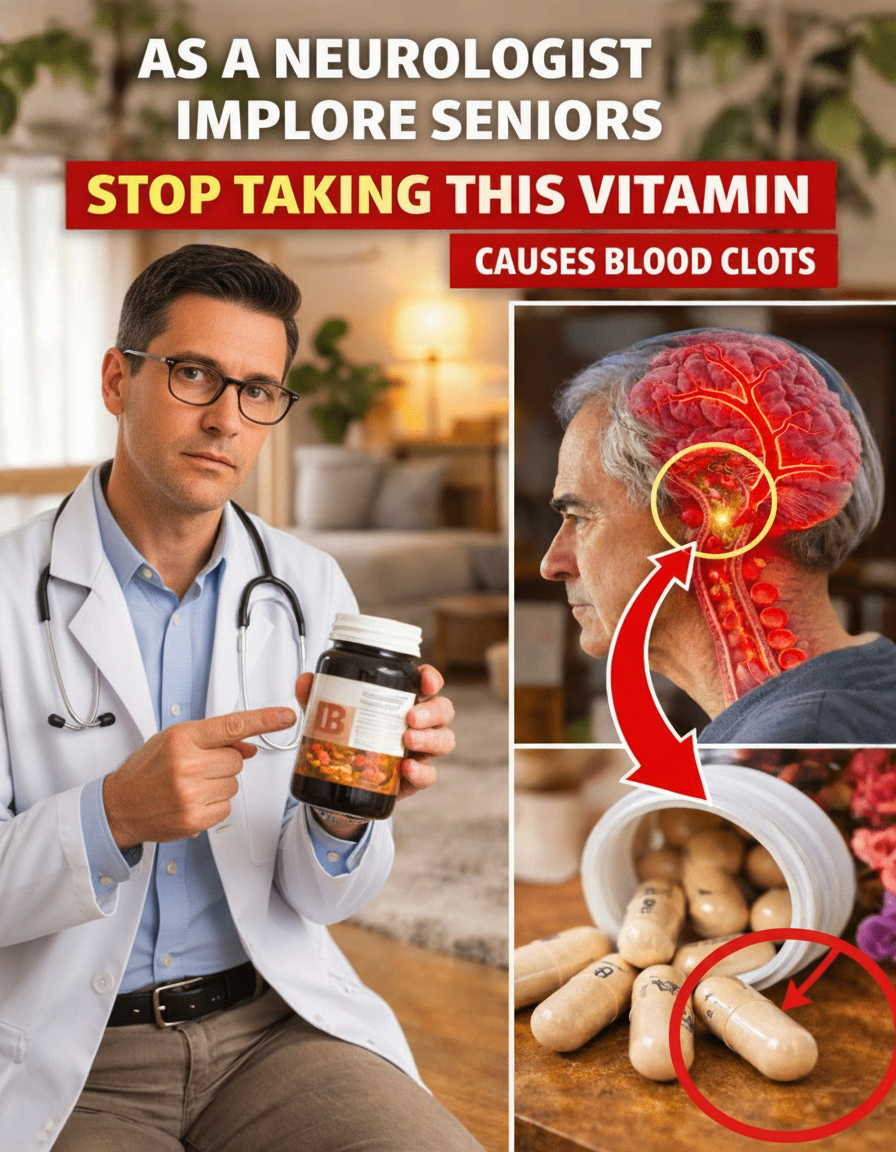
Alright, let’s talk about those screaming headlines you’ve seen: ‘Seniors, DITCH THIS VITAMIN! It FORMS BLOOD CLOTS!’ Yeah, they scream, they grab your eyeballs, but they’re often missing half the damn story. Here’s the straight scoop: Vitamin K, from real food, doesn’t just randomly whip up dangerous clots in healthy people. Your body’s a genius; it handles natural Vitamin K like a pro. The real red flag pops up with those monster-dose supplements or when your daily intake goes on a rollercoaster ride. Reputable medical journals? They’re crystal clear: consistent, sensible Vitamin K levels support healthy blood vessels, they don’t wreck ’em. But those wild, inconsistent megadoses? They can send your clotting system into a total meltdown, especially if you’re already in the danger zone for vascular issues. What does the research really tell us? Older adults who consistently chow down on Vitamin K-packed foods often boast better bone density and heart health than those who duck them entirely or just pop a bunch of pills. The magic word here? Steady.
Surprising Benefits That Make Vitamin K Worth Understanding
But wait, there’s more! Don’t go thinking Vitamin K is all doom and gloom. This same nutrient? It’s got some serious street cred, offering massive benefits that neurologists and cardiologists are practically shouting about. Get this: Vitamin K is like the bouncer for calcium, making sure it chills out in your bones where it belongs, not turning your arteries into rigid pipes. That smart move helps keep your blood vessels flexible, slashing the risk of hardening that can lead to major circulation headaches down the road. And get this – some studies are even whispering about a link between good natural Vitamin K levels and sharper brains in seniors. Makes sense, right? Happy blood flow means happy brain cells. Oh, and here’s another gem: fresh data hints that Vitamin K is a secret weapon against inflammation around your blood vessels. Less inflammation? Less nasty plaque buildup. So yeah, the very same nutrient that steps up to form clots when you’re busted open is also the quiet hero keeping your whole circulatory system humming like a finely tuned engine, every single day.
When Supplements Might Tip the Scales the Wrong Way
Alright, let’s get down to the nitty-gritty of why this whole Vitamin K thing is such a head-scratcher. Most of us? We’re already raking in plenty of Vitamin K just by eating a regular diet – no pills needed! Yet, what do we see? Vitamin K supplement sales are shooting through the roof, especially with all you health-savvy seniors out there. So, what’s the beef? Those super-charged K2 or K1 capsules are packing doses that blow what real food offers right out of the water. For anyone on anticoagulant therapy, that extra Vitamin K can basically cancel out their medicine, jacking up their clotting risk. Even if you’re not on medication, slamming down mega-doses isn’t proven to give you any extra brain or heart superpowers. More often than not, you’re just flushing money down the toilet or inviting some minor bodily chaos.
Practical Ways Older Adults Can Get the Balance Right
So, how do you, an older adult, play this game smart and nail the balance? The trick isn’t to run scared from this vitamin. It’s about being clever and working with it. Here are some simple, no-nonsense moves to stack the benefits in your favor and kick any downsides to the curb:
- Stick to food first. Seriously, forget the pills for a minute. Your absolute best bet is aiming for a steady, daily serving of those green powerhouses like spinach, kale, or broccoli. Think a small handful, packed with goodness – that’s your starting point for getting your Vitamin K right.
Thank you for reading! We hope this no-BS guide helps you navigate the world of Vitamin K like a pro. Don’t stop here – we’ve got a treasure trove of other vital health insights waiting for you on dogpjs.com. Keep learning, keep living smart!