 By admin
 Picture this: You’re laid up in a hospital bed, staring down surgery or some gnarly medical emergency, and suddenly, you need a life-saving blood transfusion. Instead of feeling a rush of relief, a wave of pure dread washes over you. Why? Because you’ve been scrolling online, hearing wild tales about the donor’s COVID-19 vaccination status. Guess what? This exact scenario is playing out more and more in hospitals these days, causing totally avoidable delays that doctors are warning can seriously screw up patient outcomes.
Now, this worry isn’t just popping out of thin air. Social media feeds and certain corners of the internet have been absolutely buzzing with claims that blood from folks who got the COVID-19 vaccine might be hiding some secret, nasty risks. We’re talking families demanding “directed donations” – meaning, only from unvaccinated relatives – and sometimes even pushing back crucial medical procedures. These choices, driven by sheer panic, are turning what should be routine medical care into stress-fests that pile real pressure on patients and their loved ones.
But hold up! What does the actual, hard science say about all this noise? And more importantly, how can *you* make rock-solid, confident decisions if you ever find yourself in this situation? Stick with us, because we’re about to drop some reassuring clarity that could totally flip your perspective on this whole issue.
What’s Driving the Rise in Concerns About Vaccinated Donor Blood?
Patient hesitation around receiving blood transfusions from vaccinated donors has blown up big time since the COVID-19 vaccines rolled out everywhere. Hospitals are reporting a noticeable surge in requests for unvaccinated blood, especially before planned surgeries or during emergencies. Many patients are pointing to online chatter, claiming that vaccine ingredients or those infamous spike proteins could somehow sneak through donated blood and trigger problems like inflammation or blood clots in the recipient. It’s enough to make anyone’s head spin, right?
And get this: this trend isn’t stuck in just one spot. Reports from blood centers all across the United States and other countries are echoing similar patterns, often directly linked to viral videos or forum discussions that spread like wildfire. The fear feels super personal – after all, when your health is on the line, you want to eliminate *every single* possible risk. But here’s the kicker: medical professionals are yelling from the rooftops that these concerns are fueled way more by flat-out misinformation than by any real data collected from actual transfusion cases.
Here’s the straight truth: blood donation screening remains incredibly strict and, crucially, completely unchanged by a donor’s vaccination status. Every single unit of blood goes through the same rigorous testing gauntlet for infectious diseases, no matter if the donor was vaccinated or not. Period.
Debunking the Most Common Myths About Vaccinated Blood Transfusions
Alright, let’s tear apart those wild claims you’ve probably seen floating around. A lot of people are freaking out that mRNA from the vaccine, or the spike protein it helps produce, could somehow hang around in donated blood and mess with the person receiving it. Science, however, is consistently showing us the exact opposite. Groundbreaking research published in respected journals like Transfusion (including a massive 2025 Kaiser Permanente analysis) deep-dived into thousands of transfusion recipients. The findings? Absolutely zero difference in complications – things like breathing issues, blood clots, or recovery time – between blood from vaccinated and unvaccinated donors. The vaccine components simply do not survive or transfer in any meaningful way during donation and storage. It’s a non-issue, folks.
Another myth that needs to be put to bed suggests that vaccinated blood might somehow weaken the immune system of the person receiving it. Again, large-scale reviews from heavyweight organizations like the American Association of Blood Banks (AABB) and the FDA have found *zero* supporting evidence for this claim. The blood you receive is plasma, red cells, or platelets – none of which carry active vaccine material capable of triggering the scary effects people are imagining. Your immune system is safe and sound!
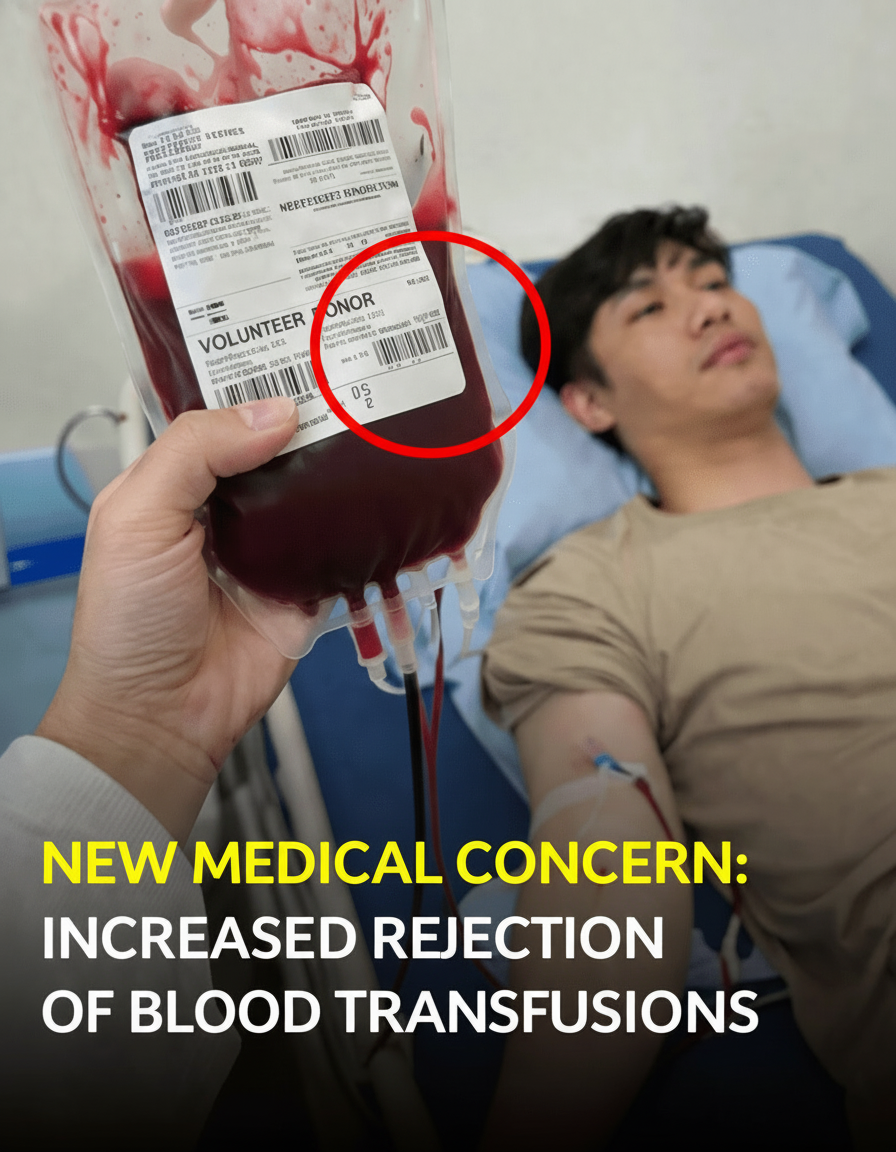
But here’s what many people totally miss, and it’s a critical point: demanding blood *only* from unvaccinated family members can actually introduce a whole new set of risks. Directed donations often bypass the comprehensive anonymous screening pool, and close relatives might share undiagnosed conditions or incompatible blood types more frequently. In trying to be “safer,” you might inadvertently be opening the door to bigger problems. Think about that for a second.
What Major Health Organizations Say About Blood Safety Today
The big guns in health have directly addressed this topic, leaving no room for doubt. The FDA, the Red Cross, and America’s Blood Centers all unequivocally confirm that people who have received COVID-19 vaccines remain fully eligible to donate. There is absolutely no medical reason, none whatsoever, to separate or label blood units based on vaccination history. A robust 2025 study, meticulously following over 10,000 transfusion patients, found no increased rates of adverse events linked to donor vaccination status. Hospitals continue to follow the same gold-standard safety protocols that have made blood transfusions one of the safest medical procedures for *decades*. Trust the experts, not the online echo chambers.
And here’s the surprising, gut-punching truth: the *real* danger isn’t the vaccinated blood. It’s the delays caused by these fear-driven requests that can create far bigger problems. Waiting for a specific donor type has led to documented cases of severe anemia, painfully extended hospital stays, and in rare, tragic instances, life-threatening complications while patients are stuck in limbo, waiting. Let that sink in – the cure for fear might be worse than the perceived disease.
How to Talk to Your Doctor About Blood Transfusion Concerns
If you’re feeling anxious or have questions about a blood transfusion, the absolute best thing you can do is have an open, honest conversation with your doctor or medical team. They are your most reliable source of accurate, evidence-based information, not some random post on social media. Don’t hesitate to voice your concerns, ask about the rigorous screening processes, and let them walk you through the facts. Remember, their priority is your health and safety, and they’re equipped with the knowledge to put your mind at ease and ensure you receive the best possible care, free from unfounded fears.
We hope this deep dive has armed you with the facts and helped calm any anxieties you might have about blood transfusions from COVID-19 vaccinated donors. Your health is paramount, and making informed decisions is key. Don’t let misinformation hijack your peace of mind when it comes to vital medical procedures.
Got more questions or want to explore other health topics? Head over to dogpjs.com for more insightful articles and expert advice. Stay informed, stay healthy, and keep those worries at bay!