 By admin
 Pancreatic Cancer’s Toughest Fight: How Bacterial Nanocells Are Rewriting The Rules of Targeted Drug Delivery
Let’s face it: pancreatic cancer is a beast. It’s aggressive, sneaky to detect, and a nightmare to manage, often leaving patients and their families feeling utterly stranded after standard treatments hit a wall. That dense, protective tissue around these tumors? It’s like a fortress, blocking crucial medications from ever reaching their target. The result? Pure frustration and a relentless battle just to keep some semblance of a normal life. But hold up – researchers aren’t just sitting around. They’re furiously digging into cutting-edge ways to deliver drugs with pinpoint accuracy, leveraging advanced tech like bacterial-derived nanocells. And here’s the kicker, the real jaw-dropper: there’s a mind-blowing secret to how these microscopic warriors are engineered to work from the inside out. It’s a game-changer for precision in ongoing studies, and trust us, you absolutely need to stick around to grasp the full impact.
Why Pancreatic Cancer Still Kicks Our Asses (And How We’re Fighting Back)
The medical world knows it: pancreatic cancer is still one of the nastiest fights out there. It’s a master of disguise, often lurking undetected until it’s too late, thanks to its subtle symptoms. And that tumor? It builds its own impenetrable shield, making everything a thousand times harder. Traditional chemotherapy and other treatments? They hit your whole body like a wrecking ball, leaving a trail of brutal side effects that turn daily life into a grueling struggle. But here’s the glimmer of hope, the breakthrough we’ve been waiting for in current research: the laser-sharp focus on getting treatments precisely where they need to go, leaving healthy tissues untouched. This, my friends, is where game-changing targeted delivery systems burst onto the scene.
So, What ARE These Bacterial-Derived Nanocells, Anyway? (Your New Secret Weapon)
Alright, listen up, because this is the tech everyone’s buzzing about in the scientific trenches: bacterial-derived nanocells, specifically the ones called EnGeneIC Dream Vectors, or EDVs for short. Think of these bad boys as tiny, non-living stealth bombers, about 400 nanometers wide. They start from bacteria, but they’re stripped down and souped up to be empty delivery vehicles, not living bugs. The sheer genius? Their design lets them carry killer payloads – powerful chemotherapeutic agents – and steer them straight to cancer cells flaunting specific markers, like EGFR, which is a common flag on pancreatic cancer cells. Scientists picture it like this: these nanocells cruise through your bloodstream, lock onto those specific receptors, get swallowed by the cancer cells, and then boom – they unleash their deadly contents right inside. This isn’t just theory; this approach is being heavily researched because it promises to blast the tumor site with active ingredients while sparing the rest of your body from the collateral damage.
The Smart Moves: How Targeted Nanocell Tech Is Being Tested in the Lab (And Why It Matters)
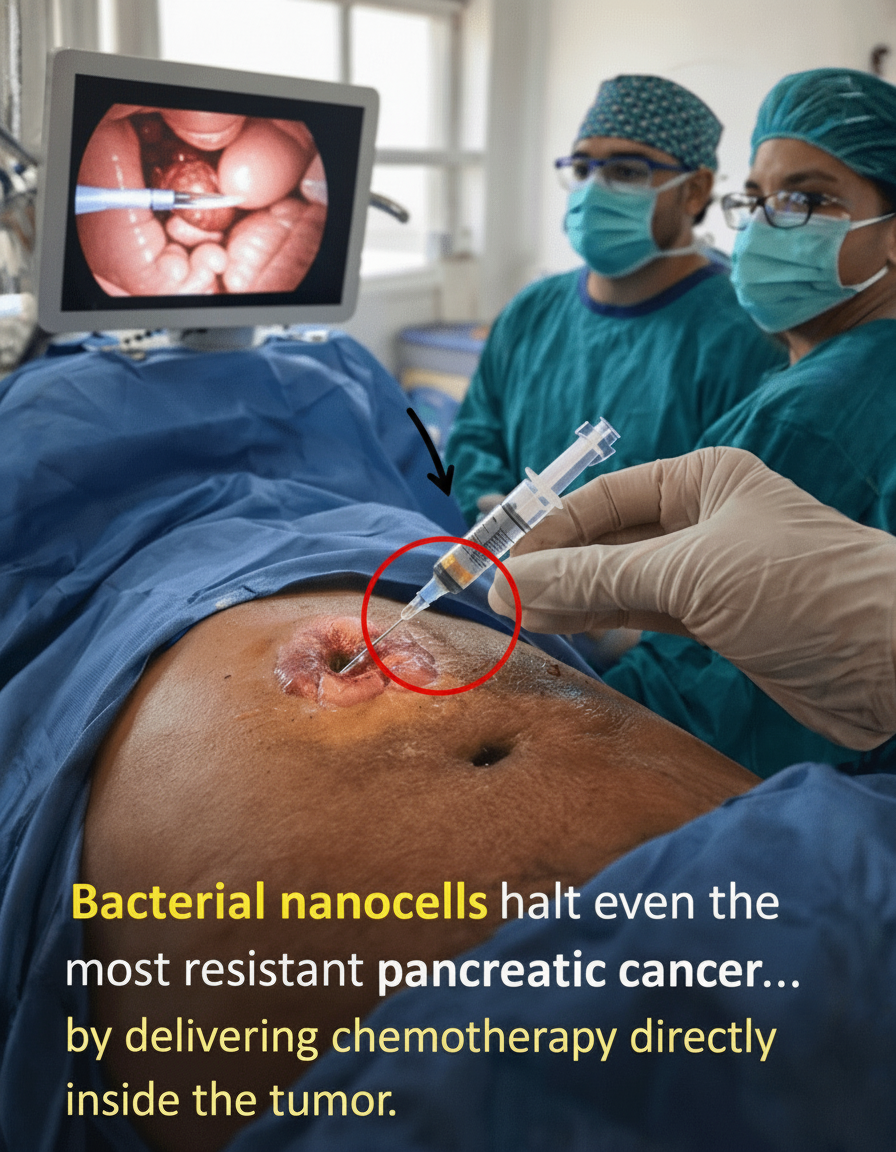
Now, for the really clever bit: these particles are engineered to be absolute geniuses at exploiting the tumor’s weak spots. See, tumors often have “leaky” blood vessels, and these nanocells are designed to sneak through those cracks, piling up in the tumor area with incredible precision. But it gets better. Researchers are now looking at teaming up these nanocells with immune-modulating components – basically, giving your body’s own defense system a serious upgrade. In trials, they’ve even layered them with other agents specifically crafted to supercharge your immune activity. And if you thought that was it, think again. Some cutting-edge studies are exploring how these nanocells can be deployed after other therapies to tackle those sneaky resistance mechanisms that cancer loves to throw at us.
- Pinpoint Strikes: Delivering a concentrated punch of active agents directly to the tumor site.
- Shield for the Healthy: Drastically cutting down exposure of healthy tissues to potent, harmful compounds.
- Unleashing the Big Guns: Making it possible to use super-powerful substances that would otherwise be too toxic for regular treatment.
- Rallying the Troops: Engaging with immune cells that gobble up these particles, potentially boosting your body’s overall immune fight.
A Glimmer of Hope: What a Recent Case Report Just Blew Open
Now, for something that truly ignites the fire: a case report dropped in The Oncologist (you can check it out, DOI: 10.1093/oncolo/oyae267) that’s got everyone talking. It detailed the compassionate use of a multi-pronged attack, featuring an EGFR-targeted nanocell conjugate loaded with a potent anthracycline metabolite, plus an immunomodulatory component. Who was it for? A patient battling recurrent metastatic pancreatic cancer who had already been through the wringer, failing three brutal rounds of standard therapy. This person was, quite frankly, at rock bottom. The report states this brave individual took part in single-patient investigational protocols. The nanocell treatment was brought in after an initial immunotherapy phase had already managed to achieve some periods of stable disease. What happened next was nothing short of remarkable: continued stable disease on the nanocell regimen and, get this, significantly extended survival far beyond what anyone would expect for such an advanced case. The patient wasn’t just surviving; they were maintaining their daily routines! But let’s keep it real: this is one individual’s journey, a lifeline thrown in a very specific compassionate use scenario. Still, it’s a crucial piece of the puzzle, a powerful data point for scientists relentlessly pushing the boundaries of these technologies.
The journey against pancreatic cancer is brutal, but the groundbreaking work with bacterial nanocells offers a powerful new direction. We’re talking about a future where precision, not just brute force, defines the fight. Stay informed, stay hopeful, and keep pushing for progress!
We’re always digging into the latest breakthroughs that could change lives. Don’t miss out on more insights and game-changing discoveries. Keep exploring our site for the information that truly matters to you and your loved ones!