 By admin
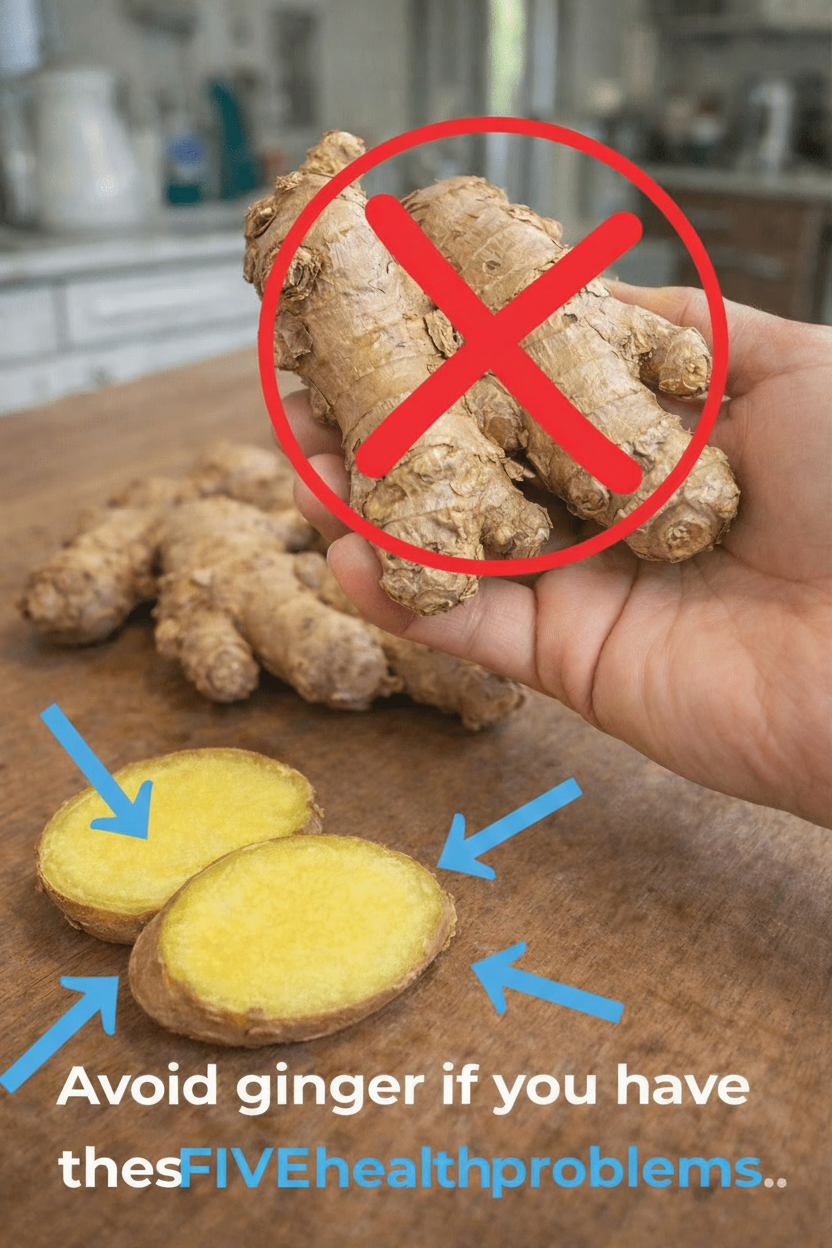
 Ginger: Your Go-To Spice or a Hidden Hazard? 5 Times Experts Say ‘Hold Up!’ Before You Dig In
Alright, listen up! Most of us toss ginger into our teas, smoothies, and meals like it’s just another harmless kitchen buddy with a spicy kick. But here’s the truth bomb: for some folks, that very root could be stirring up a whole heap of trouble you never saw coming – think unexpected pains, or interactions that leave you feeling totally out of whack. The real deal, straight from the pros at WebMD and the National Center for Complementary and Integrative Health, is that there are specific situations where ginger just doesn’t play nice with your body. And if you stick with me ’til the very end, I’ll drop a surprising, everyday tip that lets most people still enjoy their ginger fix without constantly second-guessing every single sip. You won’t want to miss it!
Why Ginger Isn’t Always a One-Size-Fits-All Choice
Ginger’s earned its legendary status in kitchens worldwide, no doubt. Its bold flavor and ancient history in home remedies are undeniable. But let’s get something straight: just because something’s “natural” doesn’t mean it’s a free pass for everyone. Health pros are shouting this from the rooftops! The science is clear: ginger can mess with your blood flow, your digestion, and even how your body handles certain medications. That’s why knowing when to pump the brakes or tweak your intake is way more crucial than you might think. So, buckle up, because here’s the lowdown from the experts and the research.
1. Bleeding Disorders or Blood-Thinning Concerns
If you’re living with a bleeding disorder or popping pills that thin your blood, the experts are practically screaming: extra caution with ginger is a MUST! This root packs natural compounds that, for some people, can put a real damper on blood clotting. Sources like WebMD confirm this effect can seriously crank up your chances of easy bruising or bleeding that just won’t quit, especially if you’re going heavy on it. But don’t get it twisted – it’s not just about huge doses. Even small amounts in your daily tea or food can quietly add up, especially if you’re already battling with these kinds of conditions. Here’s your quick, no-nonsense checklist for anyone in this squad:
- Talk to your doc. Seriously. Before you even think about making ginger a regular thing.
- Watch those portions! Stick to culinary amounts, not those concentrated supplements that hit harder than a truck.
- Spot anything weird? Any unusual bruising or bleeding needs to be reported to your doctor, pronto!
2. Gallbladder Issues or Gallstones
Got gallstones or other gallbladder headaches? Then you’ve probably heard the same drill from every health pro: tread lightly. Ginger can kick your bile production into high gear, which some studies link to increased pressure in an already super sensitive gallbladder. And trust me, that pressure can trigger discomfort or flare-ups that are anything but soothing. Here’s the kicker, and it’s a real head-scratcher: a lot of folks assume ginger is a universal digestive savior, but for *this* specific group, it can sometimes do the exact opposite! So, here’s how the pros suggest you play it:
- Keep it minimal. Limit your intake to occasional, tiny amounts in your cooking.
- Pay attention! After you’ve had some, really tune into how your body feels.
- Feeling bloated or in pain? Ditch the ginger and swap it for other gentle spices.
3. Diabetes and Blood Sugar Management
For everyone out there hustling to keep their blood sugar numbers locked down, ginger’s potential to mess with glucose levels is a game-changer you absolutely need to know about. Some research throws it out there that ginger *can* lower blood sugar – which sounds awesome, right? Until you mix it with your diabetes meds. The result? A much higher risk of your levels plummeting dangerously low. This potent interaction is why heavy-hitters like the National Institutes of Health are waving red flags, telling you to check in with your healthcare team FIRST. It’s not about fear-mongering; it’s about keeping you in the driver’s seat of your own health. Here are simple steps you can take, starting today:
- Monitor like a hawk. Keep an even closer eye on your blood sugar when you’re trying ginger.
- Start small, real small. Begin with tiny amounts and meticulously track how you feel.
- Got changes? Discuss ANY shifts with your doctor before ginger becomes your daily habit.
4. Certain Heart Conditions
Alright, heart warriors, listen up: high doses of ginger can sometimes mess with your heart rate or blood pressure in ways that are just not ideal, especially if you’ve already got existing heart concerns. Experts are quick to point out that while a moderate sprinkle in your cooking is usually A-OK, larger amounts found in supplements could seriously throw a wrench into how your heart and circulation are supposed to work. The ultimate lesson here? It’s all about balance, baby. Ginger isn’t getting banned from your life forever, but making smart, informed choices is what keeps things steady and safe for that precious ticker.
5. Low Blood Pressure or Related Medication Use
If you’re on the low blood pressure patrol or taking meds specifically designed to bring those numbers down, ginger’s mild effects on circulation can sometimes crank those changes up a notch. What does that mean for you? You might find yourself feeling lightheaded or doing the dizzy dance, especially when you stand up a little too fast. But hey, here’s the good news, a real shot of encouragement: knowing is half the battle! Most people in this category can still enjoy ginger every now and then, once they’ve got their radar up for the warning signs.
Actionable Tips to Enjoy Ginger More Safely
So, you don’t have to kick ginger to the curb entirely, even if one of these situations hits home for you. The experts are all in agreement: small, mindful changes make a world of difference. Try these super practical steps that’ll fit right into your daily grind:
- Start Low, Go Slow: Always introduce ginger in small amounts and see how your body reacts before increasing your intake.
- Listen to Your Body: Pay attention to any unusual symptoms or discomfort after consuming ginger. Your body usually sends clear signals!
- Consult Your Healthcare Pro: When in doubt, especially if you have an existing health condition or are on medication, always chat with your doctor or a qualified healthcare provider first.
There you have it! The real talk on ginger. It’s a powerful root, no doubt, but like anything potent, it demands respect and a little bit of smart thinking. Stay informed, stay healthy, and keep those good vibes rolling!
Want more no-nonsense health tips and expert insights that cut through the noise? Dive into more of our articles right here on the site. Your journey to a healthier, sharper you starts now!