 By admin
 Drenched Pillow Blues? Unmasking the 8 Surprising Reasons Adults Drool All Night (And How to Stop It!)
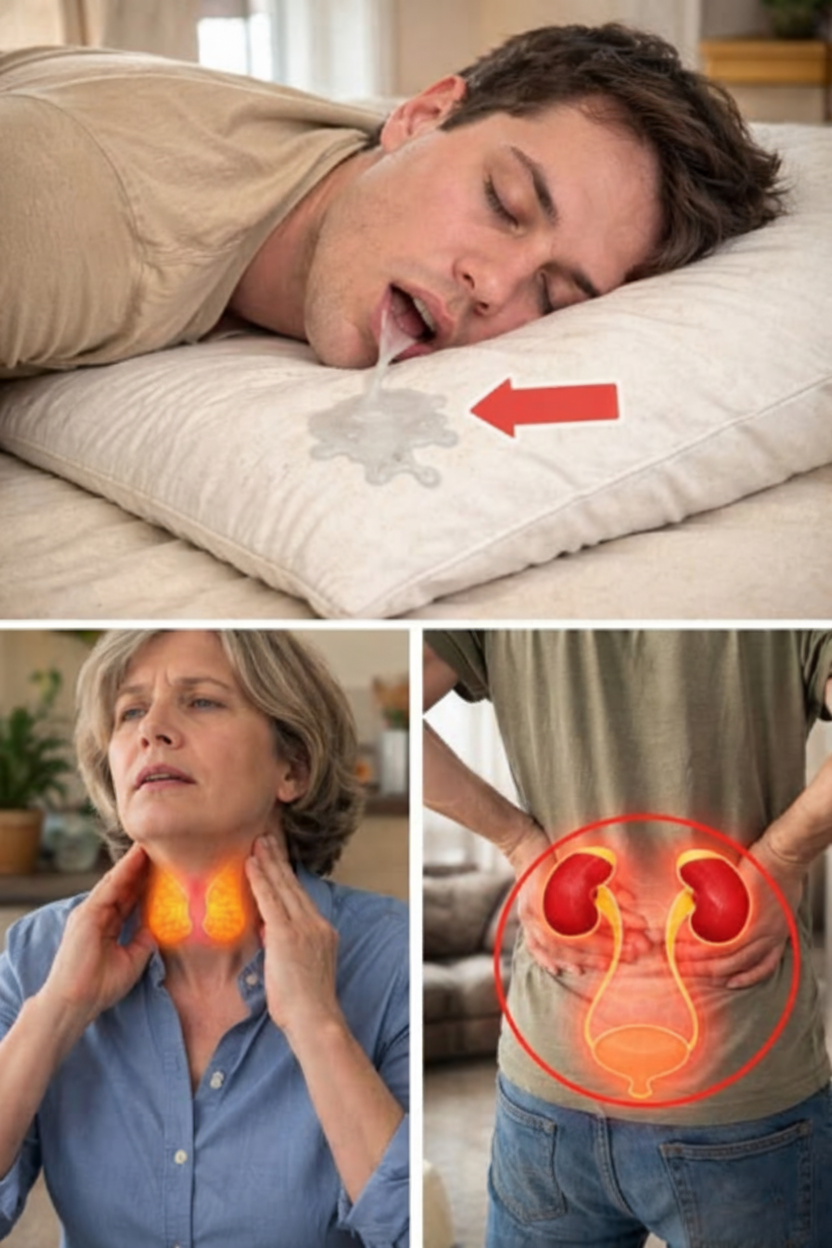
Ever wake up feeling like you just swam a marathon… with your face? Or maybe your pillow’s got that suspicious wet spot right where your mouth was? Yeah, we’ve all been there, or know someone who has! Let’s be real, finding your pillow soaked from ‘night drooling’ (or as the fancy docs call it, nocturnal sialorrhea) is kinda embarrassing, right? But hold up – before you freak out, it’s usually not some crazy medical emergency.
Most of the time, this adult drooling mess is just your body giving you a heads-up about something temporary and totally fixable. We’re talking stuff like how you sleep, how you breathe through your nose, or even just some sneaky oral habits. So, stop stressing about that damp pillow! We’re about to spill the tea on the 8 most common reasons adults drool like a leaky faucet while they snooze – from the super frequent culprits to the less common but crucial ones. Plus, we’re handing you the simple fixes to dry up that situation, fast!
1. Sleeping on Your Stomach or Side (Most Common Cause)
Why it happens
Alright, let’s kick this off with the MVP of drool-causing habits: your sleep position! This one’s a no-brainer for most folks. Think about it: you’re all cozy on your stomach or side, right? Well, good ol’ gravity isn’t taking a night off. It’s literally pulling your saliva straight to the edge of your mouth. And when you’re in that super deep sleep, your body’s like, ‘Nah, I don’t need to swallow right now,’ so out it flows!
Key clue
Wanna confirm if this is your jam? Easy peasy: if only one side of your face (the one mashed into the pillow, duh!) is wet, you’ve found your culprit for that night drooling.
Simple fix
Time to flip over, buttercup! Try sleeping on your back. If you’re a hardcore side-sleeper, grab a body pillow or stack some regular pillows behind you to make sure you stay put. Seriously, a couple of weeks of back-sleeping and many people ditch the drool completely. Dry pillow, here we come!
2. Nasal Congestion or Mouth Breathing
Why it happens
Ever felt like your nose is totally blocked up? Allergies, a nasty cold, a crooked septum, or even sinusitis can turn your nose into a no-go zone. When your nose is outta commission, your mouth automatically takes over breathing duties. And guess what happens when your mouth is hanging open all night? Yep, that saliva makes a grand escape, leading to a wet pillow disaster!
Key clue
If you’re waking up with a drenched pillow *and* a desert-dry mouth and throat, plus maybe some snoring or constant sinus issues, you’ve likely hit the jackpot here. This combo screams ‘mouth breathing’ and ‘night drooling’ all at once.
Simple fixes
- Hit up a saline nasal spray or rinse before you hit the hay. Clear those passages!
- Sleep with a humidifier – it’s a game-changer for dry air and stuffy noses.
- Give your head a slight boost with an extra pillow. Gravity helps here too!
- Tackle those allergies head-on with antihistamines or a trusty neti pot.
3. Sleep Apnea or Heavy Snoring
Why it happens
Hold up, this one’s a bit more serious. If you’re dealing with sleep apnea, your airway actually gets blocked repeatedly while you sleep. When this happens, your mouth often opens wider in a struggle for air, and your swallowing reflex takes a serious vacation. The result? More drooling, more mess, and a whole lot of sleep disruption.
Key clue
Listen up: if you’re not just drooling, but also rattling the windows with loud snoring, making gasping or choking sounds, feeling totally wiped out during the day, and waking up with headaches, it’s time to pay attention. These are big red flags pointing to potential sleep apnea.
Simple fixes
- Try side sleeping – it can actually help keep your airway from collapsing.
- Nasal strips or dilators might offer some relief by opening up your nasal passages.
- If things are severe, seriously, get screened for sleep apnea. A home sleep test or a full-on sleep study could change your life (and your pillow’s dryness!).
4. Relaxed Jaw & Swallowing Reflex During Deep Sleep
Why it happens
Ever wonder why you drool more during some parts of the night? Here’s the scoop: when you’re in that super deep, slow-wave sleep, your body goes into full chill mode. Your jaw relaxes, and your swallowing reflex slows down dramatically. What happens then? Saliva just pools up in your mouth with nowhere to go, eventually making its grand exit onto your pillow. It’s just your body being *too* relaxed!
Key clue
If your drooling tends to happen mostly during the first half of the night, when you’re getting your most intense deep sleep, this might be your culprit. You’re just that good at chilling out!
Simple fixes
- Ditch the heavy meals and alcohol close to bedtime. Both can make your throat muscles even more relaxed, upping your drool game.
- Seriously, try training yourself to sleep on your back. It’s a game-changer for managing saliva flow.
5. Acid Reflux / GERD (Silent or Nocturnal)
Why it happens
Surprise! Your tummy troubles might be making your pillow wet. When stomach acid creeps up into your throat (hello, acid reflux or GERD!), your body goes into defense mode. It starts pumping out extra saliva to try and wash that acid away. More saliva means more chances for it to escape your mouth and onto your pillow, especially if you’re lying down.
Key clue
Beyond the drooling, are you also noticing a sour taste in your mouth, heartburn, a nagging cough, or a raspy voice in the morning? These are classic signs that acid reflux might be fueling your night drooling.
Simple fixes
- Elevate the head of your bed by 15–20 cm. Those handy bed risers or a wedge pillow can work wonders.
- Give your stomach a break: avoid eating anything for at least 3 hours before bed.
- Try sleeping on your left side. It’s actually shown to help keep stomach acid where it belongs.
6. Medication Side Effects (Especially Antidepressants, Antipsychotics, Sedatives)
Why it happens
Listen up, your meds might be the unexpected culprit behind your drooling dilemma. A bunch of common medications can either crank up your saliva production (we call that hypersalivation) or make your throat muscles super relaxed. Either way, it’s a recipe for a wet pillow. Common troublemakers include SSRIs, antipsychotics, muscle relaxants, and even some blood pressure medications.
Key clue
If you’ve recently started a new medication or changed your dose and suddenly noticed an increase in drooling, this is a strong hint. Always check the side effects list!
Simple fixes
- Don’t just suffer in silence! Chat with your doctor about adjusting your medication timing or exploring alternative options.
- If appropriate and approved by your doctor, reducing the dose might also help curb the drooling.
7. Allergies or Post-Nasal Drip
Why it happens
Ah, allergies! They’re not just about sneezing and itchy eyes, folks. When your allergies are flaring up, your body produces extra mucus. This mucus can then drip down the back of your throat (that’s post-nasal drip!), which in turn triggers even more saliva production as your body tries to clear it out. More saliva = more drooling. It’s a vicious cycle!
Key clue
If your drooling comes hand-in-hand with a stuffy nose, constant sneezing, and itchy, watery eyes, then your allergies are probably the main instigator for that damp pillow.
Simple fixes
- Grab some non-drowsy antihistamines to keep those allergy symptoms in check.
- A good nasal saline rinse before bed can help clear out irritants and excess mucus.
- Consider investing in a HEPA air purifier for your bedroom to filter out allergens.
8. Neurological or Muscular Conditions (Less Common but Important)
Why it happens
Okay, this one’s less common, but super important to know. Certain serious conditions like Parkinson’s disease, the aftermath of a stroke, cerebral palsy, or Bell’s palsy can actually weaken the muscles responsible for swallowing. When these muscles aren’t working right, saliva can’t be managed effectively, leading to persistent drooling.
Key clue
This isn’t just about a wet pillow. If your drooling is accompanied by other neurological signs – think tremors, stiffness, changes in speech, or facial weakness – it’s a serious signal. This isn’t your ‘normal’ night drooling.
Action
If you suspect this is happening, don’t mess around. See a neurologist immediately. This type of drooling needs proper medical evaluation and care.
Quick Self-Check – When to See a Doctor
Look, most adult drooling is no biggie, but sometimes your body is trying to tell you something more. Here’s when to stop messing around with home remedies and get a professional opinion:
See a doctor soon if:
- Your drooling is a brand new thing, or it’s suddenly gotten way worse.
- It’s only happening on one side of your mouth – that’s a red flag!
- It comes with other scary stuff like trouble swallowing, choking, speech changes, or weakness in your face.
- You’re drooling AND snoring like a freight train AND you’re dead tired all day (hello, possible sleep apnea!).
Emergency signs:
- If you suddenly start drooling, especially with a drooping face, arm weakness, or difficulty speaking, drop everything and call emergency services IMMEDIATELY. These could be signs of a stroke!
Bottom Line
For most of us, waking up with a damp pillow is just your body being a bit messy because of how you sleep, if you’re breathing through your mouth, or if you’re congested. Good news? These are usually totally fixable with a few simple tweaks. But hey, if that drooling is persistent, only on one side, or comes with other weird neurological symptoms, don’t play doctor – get it checked out by a pro. Your health is worth it!
Quick Start Tonight
Can’t wait to ditch the drool? Here’s what you can do right now to start seeing a difference:
- Flip over and sleep on your back (use those pillows to keep yourself from rolling!).
- Do a quick saline nasal rinse before you crawl into bed. Clear those airways!
- Give your head a slight lift with an extra pillow.
- Keep an eye on things! Track whether that dampness improves over the next 7 days.
One small habit change can make a HUGE difference. Imagine: a dry pillow in the morning, every morning! We hope this guide helps you reclaim your dry pillow and better sleep. Want more awesome tips for a healthier, happier life? Dive into our other articles and keep exploring our site for more expert advice!