 By admin
 Childhood cancer? Yeah, it’s thankfully rare. But don’t get it twisted – what your kids are exposed to, especially when they’re tiny, can seriously mess with their long-term health. We’re talking about increasing their cancer risk down the line. It’s no joke, folks!
Top-tier experts – pediatric oncologists, cancer researchers, and heavy hitters like the American Cancer Society, World Health Organization, and St. Jude Children’s Research Hospital – are practically screaming about a handful of common household items and habits. These aren’t just suggestions; they’re *warnings*. You need to minimize or flat-out avoid them whenever possible, especially during pregnancy and those crucial first few years of life. Why then? Because that’s when their cells are going wild, dividing like crazy, and their DNA is most vulnerable. It’s prime time for damage.
So, pay attention! Here are the 5 most cited everyday items that parents are strongly advised to limit or cut out completely, based on rock-solid evidence. This is your wake-up call to protect your little ones.
-
Processed Meats (Bacon, Hot Dogs, Deli Meats, Sausages)
Why doctors say limit it
Alright, let’s be blunt. Processed meats? The International Agency for Research on Cancer (IARC) slaps them with a Group 1 carcinogen label. That’s the same damn category as tobacco and asbestos! Think about that for a second. These bad boys are loaded with nitrates/nitrites, heterocyclic amines (HCAs), and polycyclic aromatic hydrocarbons (PAHs). These nasties form during processing and high-heat cooking, and once they hit the body, they turn into DNA-damaging agents. They’re literally messing with your child’s genetic blueprint.
Evidence in children
The link here is strong, especially to childhood leukemia and brain tumors. We’re talking about multiple large cohort studies and meta-analyses backing this up. And here’s the kicker: the risk isn’t just for heavy eaters. It rises with frequency of consumption – even moderate intake (a few times a month!) during pregnancy or early childhood shows elevated odds. So, that occasional hot dog isn’t as innocent as you might think.
Practical advice
Cut the crap. Swap out those processed nightmares for fresh, unprocessed chicken, turkey, fish, eggs, or plant-based proteins like lentils, beans, or tofu. If you absolutely *must* use deli meats occasionally, make sure you heat them until they’re steaming hot. That can kill off some of the harmful compounds. But seriously, less is more here.
-
Sugary Drinks & High-Sugar Processed Foods
Why doctors say limit it
Sugar. It’s everywhere, and it’s a silent killer. Chronic high blood sugar and those wild insulin spikes? They fuel inflammation and crank up insulin-like growth factor-1 (IGF-1), which basically tells cells to proliferate – including potentially cancerous cells. Beyond that, early-life exposure to sugar programs your child’s metabolism for higher obesity risk. And guess what? Childhood/adolescent obesity is a direct highway to higher adult cancer rates, especially colorectal, breast, and pancreatic cancers. It’s a ticking time bomb.
Evidence in children
This isn’t just speculation. Sugary beverage consumption during pregnancy and early childhood is directly associated with an increased risk of childhood leukemia and later-life cancers. The American Academy of Pediatrics and the WHO aren’t messing around: no added sugars for kids under two, and extremely limited amounts after that. Period.
Practical advice
It’s simple: Ditch the soda, fruit drinks (which are often just sugar water), sweetened teas, and those hyped-up energy drinks. Push water, unsweetened herbal teas, or diluted fresh fruit juice instead. And for the love of all that’s holy, limit those processed snacks, candies, and sugary cereals. Your kid doesn’t need that garbage.
-
Red & Processed Meat Overall
Why doctors say limit it
Okay, we talked about processed meats, but let’s extend that to red meat in general (beef, pork, lamb). IARC classifies it as Group 2A – meaning it’s “probably carcinogenic.” The heme iron, saturated fat, and compounds formed during high-heat cooking (those same HCAs & PAHs we mentioned) can damage DNA and ignite inflammation. It’s a double whammy for your child’s developing body.
Evidence in children
Studies show a clear link: a mother’s red/processed meat intake during pregnancy, and high consumption in early childhood, are tied to increased risk of childhood leukemia, brain tumors, and even later colorectal cancer. This isn’t just about what they eat now; it’s about setting them up for future health battles.
Practical advice
You don’t have to cut it out entirely, but seriously, limit red meat to a maximum of 1–2 small servings per week. When you do serve it, choose leaner cuts. Cook at lower temperatures – think stewing, baking, or poaching instead of char-grilling. And always, always pair it with a generous portion of vegetables. Balance is key, but moderation is a must.
-
Pesticide-Heavy Produce (Especially “Dirty Dozen” Fruits & Vegetables)
Why doctors say limit it
Invisible toxins, people! Many pesticides aren’t just bug killers; they’re endocrine disruptors and potential carcinogens. And here’s the frightening truth: children get a higher dose per body weight than adults, and their developing organs are far more vulnerable to this chemical assault. Their tiny systems just can’t handle it like ours can.
Evidence in children
The proof is in the pudding. Studies, including the well-known CHAMACOS cohort, connect higher prenatal and early-life pesticide exposure directly to increased risk of childhood leukemia and brain tumors. But here’s some good news: switching to organic versions of those high-pesticide produce items can slash urinary pesticide metabolites by a whopping 60–90% within days. That’s a huge win!
Practical advice
Don’t mess around with this one. Prioritize organic for the “Dirty Dozen” – you know the list: strawberries, spinach, kale, peaches, pears, nectarines, apples, grapes, bell peppers, celery, tomatoes, potatoes. For everything else, wash all produce thoroughly, and if you can, peel it. It’s a simple step that makes a massive difference.
-
Ultra-Processed Foods & Trans Fats
Why doctors say limit it
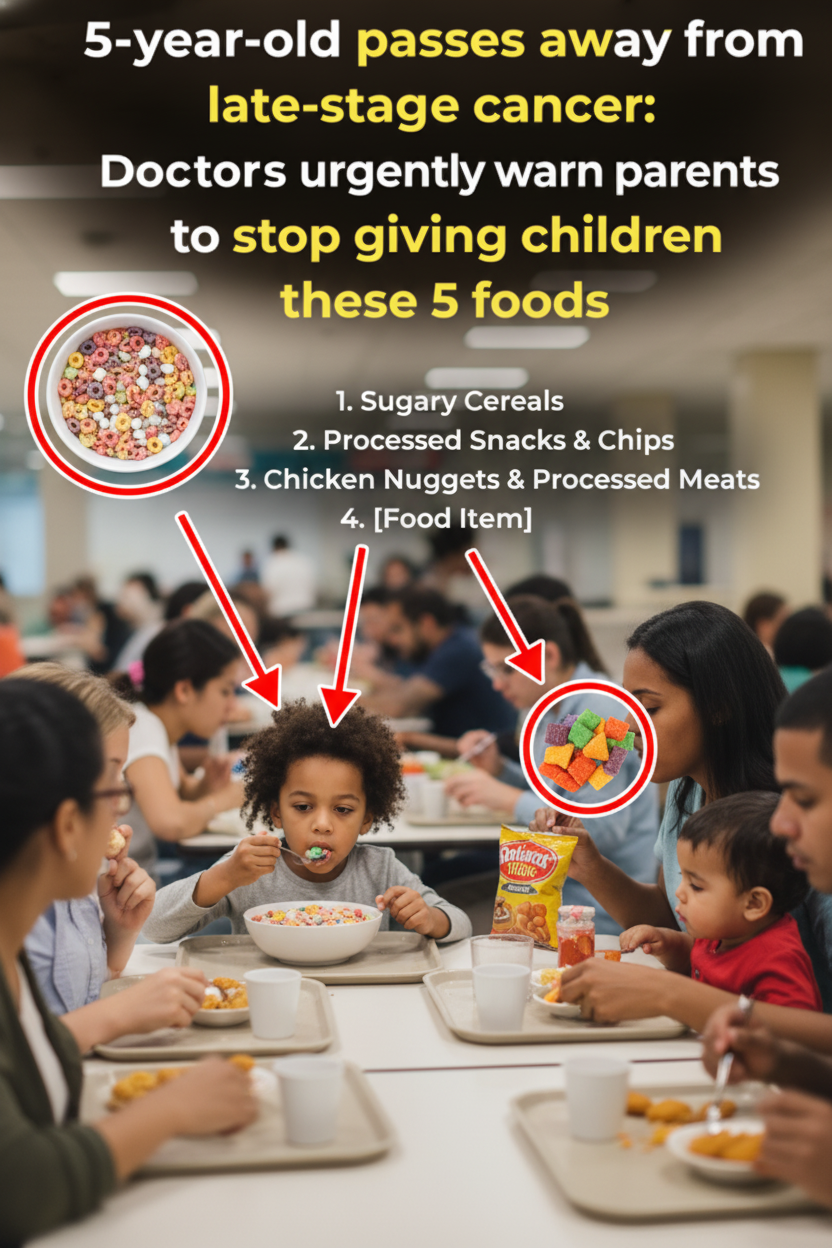
Let’s call ultra-processed foods what they are: pure garbage. We’re talking packaged snacks, fast food, sugary cereals, and those frozen meals. They’re a toxic cocktail of refined sugars, trans fats, emulsifiers, artificial additives, and even acrylamide (formed during high-heat processing). This whole concoction promotes chronic inflammation, obesity, and completely messes up your gut microbiome – all of which are directly linked to a higher cancer risk later in life. You’re basically feeding your child a future health crisis.
Evidence in children
It’s a clear trajectory. Higher ultra-processed food intake in childhood isn’t just about weight gain; it’s associated with increased obesity and metabolic syndrome. And as we’ve already hammered home, both of these are incredibly strong risk factors for cancer. Don’t let convenience win over your child’s health.
There you have it. Five everyday items that doctors are urging parents to be smart about. Protecting your child from cancer risk starts right now, with the choices you make every single day. Don’t take these warnings lightly. Your kids are counting on you!
Want to dive deeper into keeping your family healthy and safe? Check out more expert tips and insights on our Healthy Life section. Your journey to a healthier family starts here!