 By admin
 You’ve probably stared down into the toilet bowl, a flicker of worry hitting you as your poop looks… different today. One minute it’s that reassuring chocolate brown, the next it’s suddenly green, startlingly pale, or even pitch black. Let’s be real, these stool color changes can send a jolt of alarm through you, especially when life’s already a whirlwind and you’re trying to keep your wellness game strong. But here’s the straight talk: most of these variations are harmless, often just a shout-out from what you ate or how fast your grub zoomed through your system. Yet, sometimes, they’re a serious signal, a whisper from your body you absolutely need to hear.
In this no-nonsense guide, we’re ripping the lid off the mystery. You’ll discover exactly what each poop color usually means, backed by solid medical understanding. We’ll also arm you with simple daily habits to keep your digestion humming along smoothly, and crucially, when it’s time to stop messing around and get straight to your doctor. Stick with me until the very end—I’m going to drop a bombshell on one surprising everyday factor that messes with your stool color more than most folks ever realize. You won’t want to miss it!
What’s the Deal with Poop Color Changes, Anyway?
So, why does your stool color play these tricks on you? Your poop gets its signature brown shade from bile, a potent digestive fluid cooked up by your liver. As your food takes its grand tour through your intestines, this bile gets busy, breaking down fats and, in the process, changing color. Anything that speeds up, slows down, or just plain messes with this intricate process can dramatically shift the final hue you see. Your diet, medications you’re taking, and even how well you’re staying hydrated all pull strings in this show. Grasping these shifts isn’t just about curiosity; it strips the guesswork out of your daily bathroom routine and puts you back in the driver’s seat of your gut health. But seriously, here’s the kicker most people totally miss…
Brown Poop: The OG, The Gold Standard of Gut Health
Let’s talk about the champion: healthy stool is typically a medium to dark brown. This isn’t just a random shade; it’s a clear sign that your bile has crushed its mission and your digestive system is cruising at a normal, healthy pace. Consistently seeing brown stools usually means you’ve got good bile flow and your gut function is perfectly balanced. And hey, texture matters too—we’re talking soft but well-formed, like a perfect tube of toothpaste. If your poop generally stays in this sweet spot most days, chances are you’re hitting all the right notes with your health. Minor day-to-day differences? Totally normal, don’t sweat it.
Green Poop: What’s the Big Deal? (Usually Nothing!)
Ever had green poop and thought, “What the heck did I eat?!” You’re not alone. This vibrant shade often pops up after you’ve gone all-in on leafy greens like spinach, kale, or broccoli. And let’s not forget those sneaky food dyes lurking in candy, drinks, or even your supplements—they’re major culprits too. Sometimes, when food decides to speed-run through your intestines (think mild diarrhea), bile doesn’t get enough time to fully break down, leaving behind that unmistakable green tint. So, before you panic, run through this quick checklist for your green stool:
- Have you been gorging on extra veggies or green-colored munchies recently?
- Are you popping iron supplements or specific probiotics?
- Feeling a bit of digestive upset, but otherwise totally fine?
In the vast majority of cases, green stool is just a temporary visitor, here today, gone tomorrow, and absolutely nothing to lose sleep over.
Yellow Poop: When ‘Greasy’ Means ‘Heads Up!’
Alright, listen up. If your poop comes out bright yellow, or worse, looking greasy and floating like a boat, that’s a red flag waving right there. This often points to excess fat in your stool, signaling your body might not be absorbing fats properly. What triggers this? Sometimes it’s just a monster high-fat meal you devoured, but it can also be a sign of underlying conditions affecting your pancreas or small intestine. If you only see yellow stool occasionally after indulging in some seriously rich foods, you’re probably in the clear. But if it’s a frequent occurrence, especially if it’s packing a seriously foul odor or you’re noticing unexplained weight changes, then my friend, it’s time to pay serious attention and get it checked out.
Black Poop: Is It a Harmless Snack, or a Serious Health Alert?
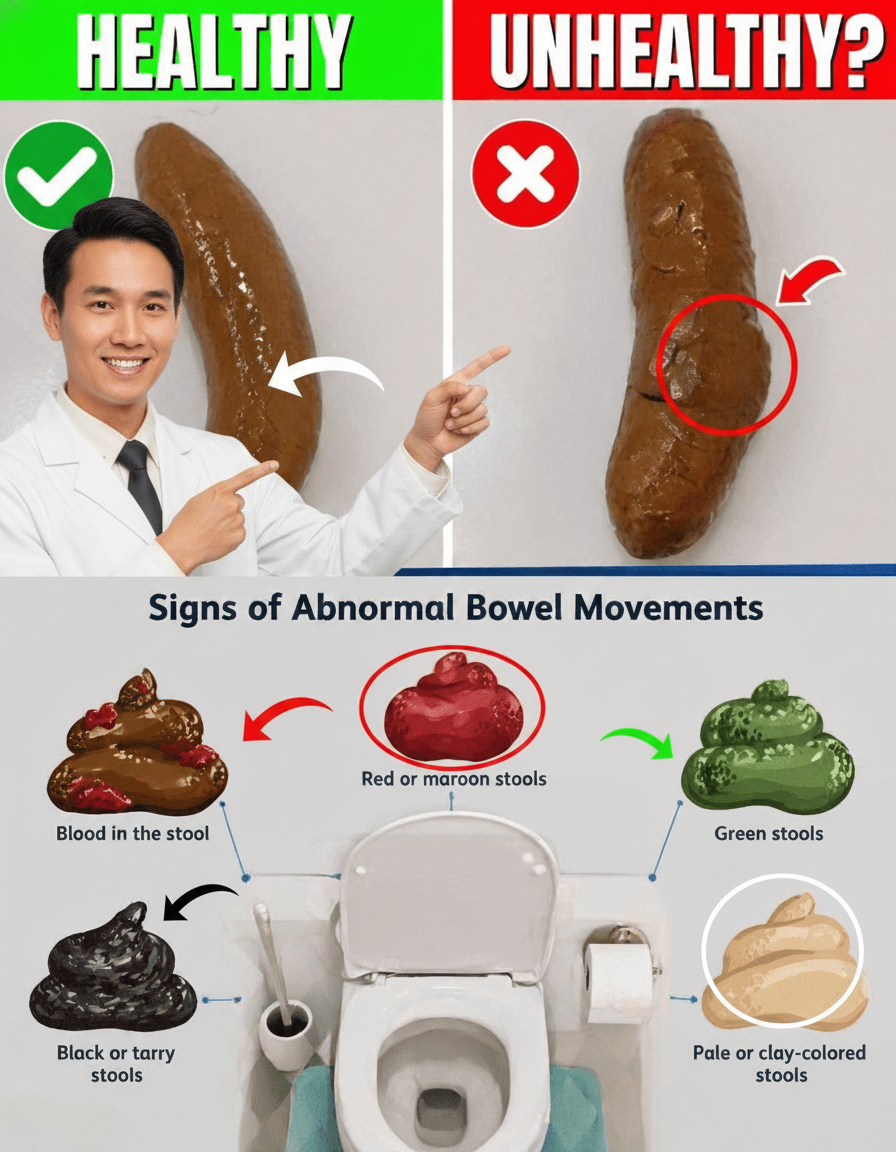
Now, black stool can be a real head-scratcher because it tells two wildly different stories. One story is completely benign, nothing to worry about. The other? Potentially very serious. First, the chill reasons:
- Popping iron supplements?
- Taking bismuth medications (like that trusty Pepto-Bismol)?
- Did you scarf down a ton of dark foods like licorice, blueberries, or dark chocolate?
But here’s when you absolutely need to hit the panic button (and call a doctor, fast): If your stool looks tarry, sticky, and smells like something died a horrible death, it could be a sign of bleeding higher up in your digestive tract. This isn’t just any black stool; this specific type demands prompt, urgent medical attention. Don’t delay, seriously.
Red Poop: Is it a Beet Blast or a Bleeding Scare?
Seeing bright red stool can make anyone’s heart skip a beat. Often, it’s just a harmless prank played by something you ate—think beets, tomatoes, those vibrant red drinks, or aggressive food coloring. Phew! However, if you haven’t touched any red foods and you spot fresh red streaks or actual blood, then we’ve got a different story. This could be coming from lower down in your digestive tract, possibly from hemorrhoids or other, more serious issues. While bright red blood on the toilet paper or in the bowl is usually less concerning than dark, mixed-in blood, let’s be crystal clear: ANY new bleeding is a straight-up warrant for a doctor’s visit. Don’t guess, get it checked.
Pale, Clay, or Gray Poop: This Is Your Body Yelling for Attention!
If your stool starts looking like pale clay, light beige, or an unsettling gray, consider that your body’s alarm bells are ringing. Loudly. This often means that bile, that crucial digestive fluid, isn’t making it to your intestines as it should. This isn’t a minor hiccup; it can signal serious issues like gallbladder problems, certain liver conditions, or blocked bile ducts. Unlike other colors that might come and go with your diet, persistently pale stools are one of the most critical changes you need to discuss with your healthcare provider. This is not the time to play doctor yourself.
Orange Poop: The Carrot Conundrum (Usually Harmless)
Orange-colored poop is less common, but it’s usually pretty straightforward. It often pops up after you’ve loaded up on foods high in beta-carotene – think carrots, sweet potatoes, or pumpkin. Certain antacids can also be the culprit. Mild bile flow chan
There you have it, folks! A deep dive into the colorful world of your stool and what it’s trying to tell you about your health. Remember, your poop is a daily report card from your body, and understanding its language can be a powerful tool for staying on top of your wellness. Don’t be shy about checking in with your doctor if anything feels off or persists. Your gut health is paramount!
We hope this guide has been super helpful and given you the insights you need. Keep exploring our site for more awesome tips on Healthy Life and other fascinating topics. Your journey to a healthier, happier you starts here, and we’re thrilled to have you with us. You’re the best audience a site could ask for!
”
}
“`