 By admin
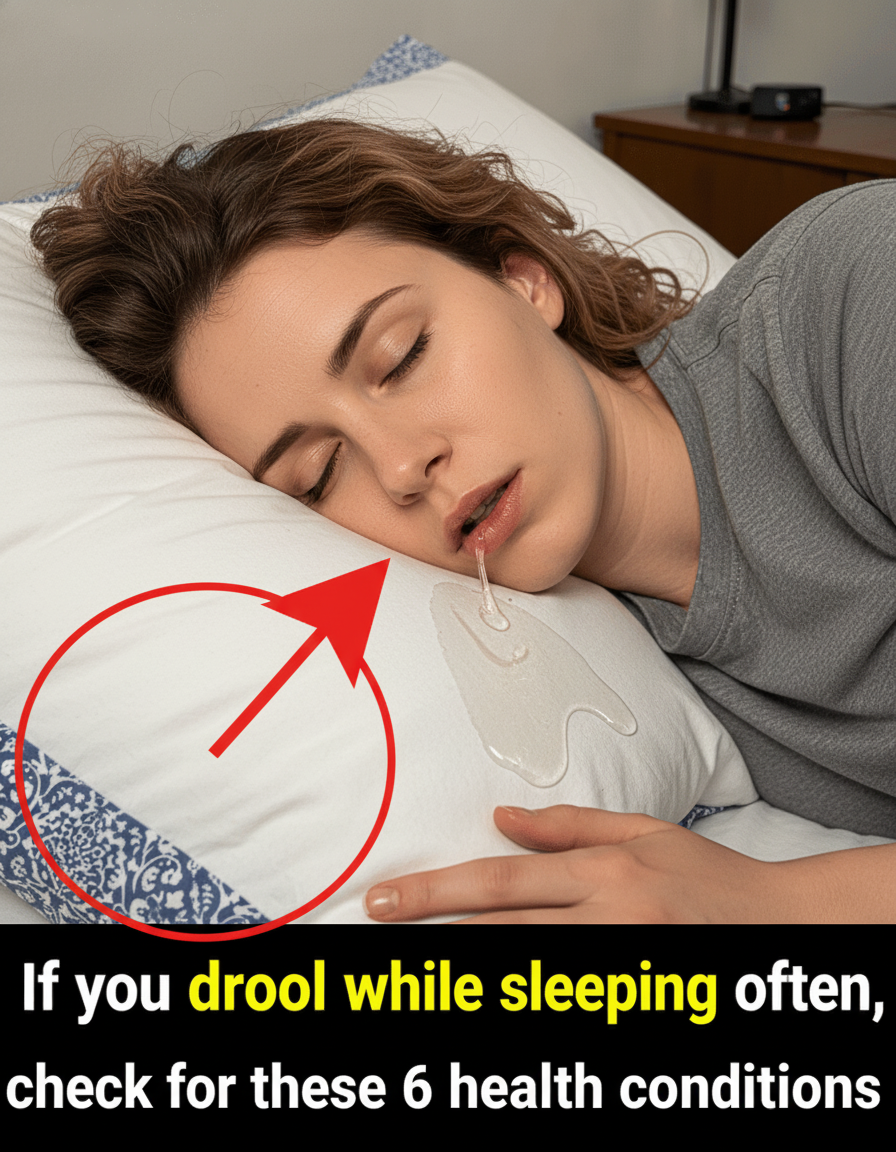
 Waking up to a soggy pillow again? Yeah, we get it. That feeling of embarrassment, even if nobody’s around to see your slobbery secret. But hey, it’s not just about a wet pillow, is it? That constant drooling during sleep can totally mess with your rest and leave you scratching your head, wondering what the heck your body’s pulling at night. Plenty of folks deal with this, but when it turns into a regular drool-fest, it might just be your body waving a big, red flag about some underlying issues that need your attention. The good news? Figuring out these potential connections can arm you with simple tricks for better sleep and some serious comfort. In this article, we’re gonna dive deep into the real reasons behind that nighttime drooling and drop some practical wisdom you can use, like, tonight.
Why The Heck Does Drooling Happen During Sleep?
So, why does your mouth turn into a leaky faucet when you’re trying to catch some Zs? Well, drooling while sleeping usually kicks off when your saliva decides to make a run for it because your swallowing slows down and your muscles just chill out. Crashin’ on your side or stomach, especially if you’re a mouth-breather, makes it way more likely. Sure, a little drool now and then is no biggie, but if those persistent episodes keep happening, it could be a sign that something’s messing with your nasal passages, throat, digestion, or even your brain’s control center. But here’s the kicker, the low-down truth many folks miss: what looks like a harmless little puddle could actually be your body dropping some serious hints about bigger health factors at play.
1. Obstructive Sleep Apnea (OSA) – The Breath Thief
Alright, first up: Obstructive Sleep Apnea (OSA). This sneaky condition causes your breathing to repeatedly hit the pause button throughout the night. When your airways narrow or straight-up get blocked, tons of people unconsciously start mouth breathing, which basically gives your saliva an open invitation to pool up and make a grand escape. The result? Wet pillows, a mouth so dry it feels like the Sahara when you wake up, and sleep so broken you feel like you ran a marathon all day. And get this: research actually links frequent mouth breathing during sleep with more drooling episodes for folks with OSA. Other tell-tale signs? We’re talking loud, obnoxious snoring, morning headaches that feel like a jackhammer, and just plain old daytime exhaustion. If this sounds like your nightly horror show, especially with all that drooling, it’s time to get real and chat with a sleep specialist, pronto.
2. Gastroesophageal Reflux Disease (GERD) – The Acid Attack
Next on the hit list is GERD, or chronic acid reflux. This bad boy can trigger your body to pump out extra saliva like crazy, all because it’s trying to neutralize that irritating acid that’s backing up into your esophagus. This whole mess often gets worse at night when you’re lying down, turning your sleep into a drool-fest. Many people battling GERD also notice a sour taste in their mouth, a scratchy throat, or, yep, that delightful damp pillow feeling. Studies show that acid reflux episodes seriously stimulate your salivary glands, creating more moisture that can easily escape during your relaxed sleep. Pro-tip: Ditch the late-night feast. Avoiding heavy meals close to bedtime might just help cut down on that discomfort.
3. Allergies or Chronic Sinus Issues – The Blocked Nose Blues
Seasonal allergies, sinus congestion, or straight-up infections can block your nasal passages and force you into mouth breathing. Inflamed sinuses or that annoying post-nasal drip can also crank up your saliva and mucus production, making that nighttime drooling even more noticeable. You might feel all stuffy, have itchy eyes, or wake up with a sore throat. These issues turn what should be easy nose breathing into an open-mouth policy, letting all that precious saliva make a quick getaway. Talk about a rude awakening!
4. Neurological Conditions Such as Parkinson’s Disease – The Control Freak Conundrum
Now, some neurological conditions can really mess with your swallowing reflexes and muscle control, leading to saliva buildup even when you’re out cold. Take Parkinson’s, for example: the reduced automatic swallowing contributes to sialorrhea (that’s fancy talk for excessive saliva), which often shows up as nighttime drooling. Other neurological factors, like what happens after a stroke, can similarly screw with the coordination needed to manage your saliva effectively. It’s like your body forgets how to keep things in check.
5. Infections or Oral Health Problems – The Mouth Mayhem
Think tonsillitis, nasty dental issues, mouth ulcers, or throat infections. These can seriously ramp up saliva production or make swallowing feel like a pure nightmare. This, naturally, leads to more drooling, especially when you’re lying down. A persistent sore throat, swollen glands, or dental pain coupled with that drooling? That could be a huge sign of an infection that needs your attention, and fast. Don’t let your mouth turn into a war zone.
6. Side Effects from Certain Medications – The Pill Problem
Last but not least, some medications, including those for anxiety, Alzheimer’s, or other conditions, actually list increased salivation as a possible side effect. And guess what? This can become super apparent during sleep when your swallowing reflexes naturally slow down. So, if you suddenly notice your drooling patterns changing, don’t just shrug it off; always review your medications with a healthcare provider. Your pills might be turning your mouth into a spit factory!
Here’s a quick comparison of common triggers, so you can get a handle on what might be going down:
- Sleep Position/Mouth Breathing — Often positional, usually gets better with a few simple adjustments to how you sleep.
- Allergies/Sinus Problems — Stuffy nose, classic seasonal patterns, maybe some post-nasal drip.
- GERD — That sour taste in your mouth, heartburn, and generally feeling like your stomach is rebelling.
- Sleep Apnea — Loud snoring that could wake the dead, and feeling absolutely wiped out during the day.
- Neurological Factors — Might include other weird movement or coordination changes you’ve noticed.
- Infections/Meds — Could be temporary, or directly linked to specific treatments you’re on.
Practical Steps You Can Take Tonight to Stop the Slobber!
Ready to stop the drool-pocalypse? Small changes can make a noticeable difference in reducing that nighttime drooling:
Try sleeping on your back with a supportive pillow to encourage nasal breathing and
So, there you have it, folks. Don’t let a little drool fool you; your body’s trying to tell you something important. Keep an eye on those nightly puddles, and if something feels off, get it checked out. Your health is your wealth, after all! Want more no-nonsense tips and straight talk on staying healthy? Dive deeper into our other articles right here on dogpjs.com. We’re always here to spill the tea (and hopefully, not the drool) on what matters most for your well-being. Stay sharp, stay healthy!