 By admin
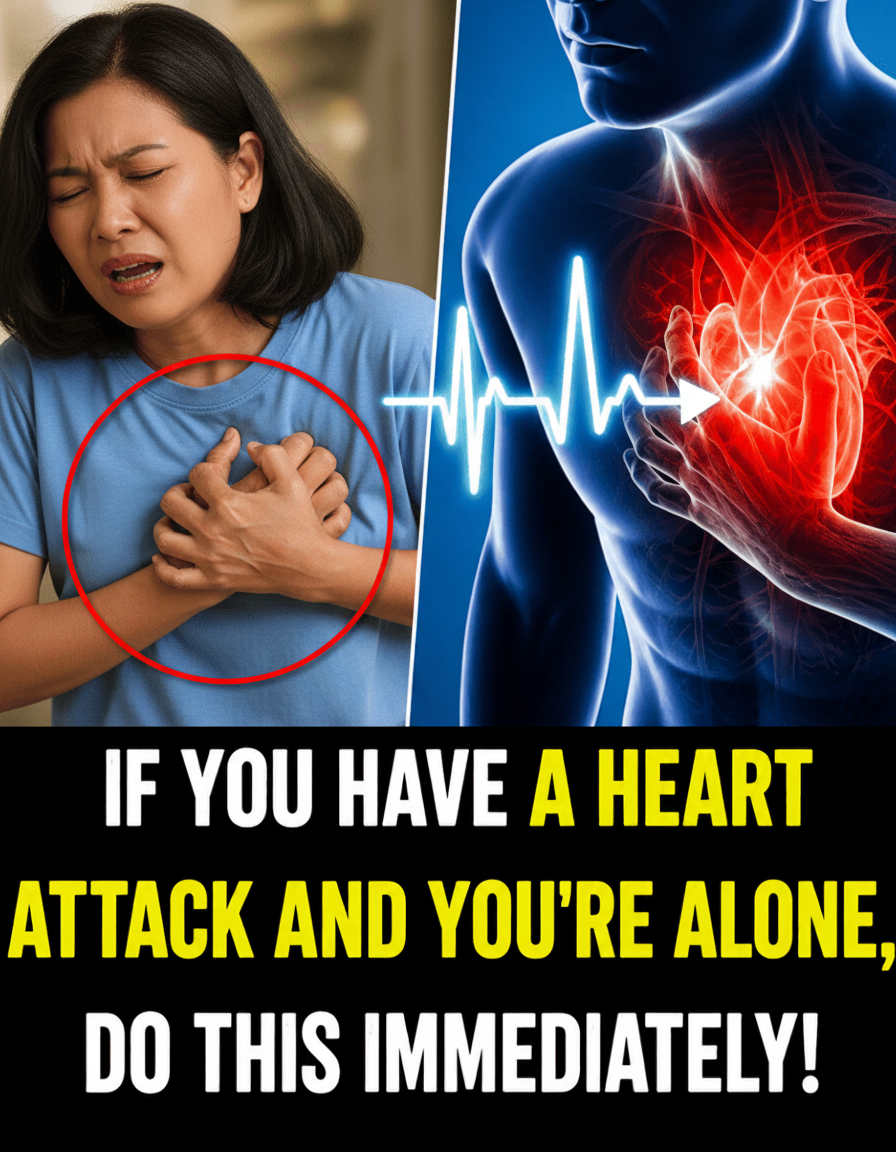
 Alright, listen up! Picture this: You’re chilling at home, all by your lonesome, and then BAM! That sudden chest discomfort hits you like a freight train. Your heart’s pounding, your breath’s short, nausea’s creeping in, and your mind? It’s doing a frantic scramble, screaming, “What the hell do I do?!” The clock is ticking, and every single second counts when you’re facing a medical emergency alone. You feel utterly helpless, completely terrified. But what if I told you there are some no-nonsense, life-saving steps, backed by the top health pros, that could turn the tide? And there’s one critical detail most people totally screw up until it’s too late. You ready for some real talk?
Because those first few minutes aren’t just ‘important,’ they’re EVERYTHING. Screw this up, and you’re in deep. Forget the panic, forget the confusion. We’re talking about straightforward, actionable steps that can make all the difference. This isn’t just theory; this is your personal survival guide for those terrifying moments when you’re flying solo. So, let’s cut the fluff and get down to business. Your life might just depend on it.
Heart Attack Symptoms: What to Look For When No One Else Is Looking
Heart attack symptoms don’t always come with a flashing neon sign or a dramatic Hollywood movie scene. Nah, they’re sneaky bastards, especially when you’re by yourself, minding your own business. You might be distracted, thinking it’s just a bit of indigestion or stress. Don’t fall for it!
According to the big shots at the American Heart Association, the classic signs are that chest pain or discomfort that feels like someone’s got a vice grip on your chest – pressure, squeezing, fullness. This crud usually hangs around for more than a few minutes or plays hide-and-seek, coming and going. But here’s the kicker: symptoms are a wild card. Ladies, pay extra close attention: you might get jaw pain, back discomfort, or feel like you’ve run a marathon when you haven’t moved an inch. Forget the textbook chest pressure; your body might be screaming for help in a different language.
And it’s not just chest stuff. Shortness of breath, cold sweats that chill you to the bone, lightheadedness, or even nausea can crash the party, with or without the chest drama. Research from the Mayo Clinic even spills the beans that these signs can totally mimic heartburn or anxiety, which is why so many folks just shrug it off. Here’s the simple, brutal truth: if something feels seriously messed up, and you can’t just brush it off as ‘a bad day,’ then WAKE UP! Waiting to see if it magically disappears is a surefire way to make a bad situation even worse. That’s when knowing these next moves becomes your ultimate weapon.
Step 1: Call Emergency Services Right Away — Don’t Wait, You Idiot!
Alright, listen close, because this is the #1 rule, the absolute *non-negotiable*. Pick up that damn phone and dial 911 (or your local emergency number) the SECOND you even *suspect* something is wrong. Don’t even *think* about calling your buddy, your mom, or your dog walker first. Don’t play tough guy/gal and try to ‘power through it.’ Are you kidding me?!
Emergency dispatchers aren’t just glorified operators; they’re trained pros who will walk you through every agonizing second. They can send help blazing fast and stay on the line with you until those paramedics burst through your door. Studies highlighted by the American Heart Association prove it: calling 911 dramatically slashes the time to treatment and seriously bumps up your chances of making it out alive. But wait, there’s more. While you’re on the call, bark out your symptoms clearly and answer every single question like your life depends on it – because it does! If you live alone, scream your address twice, loud and clear, to avoid any screw-ups. This one single step is the big domino that sets everything else in motion and hooks you up with the professional help you desperately need.
Step 2: Consider Aspirin — But Only If It’s Appropriate and Doesn’t Delay Help
Here’s a kicker, something most folks only figure out when they’re in a bind: a simple, cheap-as-chips over-the-counter pill can actually be a lifesaver. According to Mayo Clinic guidelines, chomp down and swallow a 162- to 325-milligram dose of aspirin (that’s usually one adult tablet or four baby aspirin). Why? Because it might just help thin your blood and stop those nasty clots from getting worse if you’re having heart attack symptoms. It’s a small but mighty player in your survival game.
**BIG FAT WARNING LABEL HERE:** This aspirin trick only applies if you’re not allergic to the stuff, your doctor hasn’t told you to steer clear of it, AND the emergency dispatcher gives you the green light. Seriously, don’t play doctor on your own. And get this straight: if you’re hunting for aspirin, and it’s slowing down your 911 call? DROP IT! The experts are crystal clear: emergency help comes first, every single damn time. No exceptions, no excuses.
So, why does this little pill matter so much? Aspirin works like a rocket when you chew it because it gets absorbed into your bloodstream faster than you can say ‘heart attack.’ Research published in first-aid guidelines from the American Heart Association confirms this approach is linked to better blood flow during those crucial early minutes. So, if your doctor has ever given you the nod for this exact scenario, keep a bottle of aspirin in a spot you can grab even if you’re half-conscious. Be prepared, not sorry.
Step 3: Stay Calm, Rest in Place, and Prepare Your Space — Don’t Be a Hero!
Once those sirens are on their way, your mission shifts: reduce the stress on your poor, overworked heart. Find a comfy spot to sit or lie down – preferably with your back supported – and for the love of all that’s holy, avoid any unnecessary movement. Pacing around like a caged animal or trying to be a hero? That’s just asking for more trouble, cranking up the demand on an already stressed-out heart. The American Heart Association and every other expert worth their salt preach this: stay as still as humanly possible while you wait. Take slow, steady breaths. It sounds simple, but it can actually help you keep your head when everything else is going sideways.
If you can manage it without totally overdoing it, unlock your front door. This tiny action can save precious seconds for responders, preventing them from having to break down your door and waste valuable time. Every second counts, remember? And for the last time, and I can’t stress this enough: DO NOT even *think* about driving yourself to the hospital. You’re not just putting your own life on the line; you’re a danger to everyone else on the road. Stay put, stay calm, and let the pros come to you. You’ve done your part. Now, trust the system.
Navigating a medical emergency alone is terrifying, but with these three critical, no-bullshit actions, you’re not just hoping for the best – you’re actively fighting for your life. Remember, quick action and clear thinking are your best allies. Stay safe out there, folks!
For more life-saving tips and expert advice, keep exploring dogpjs.com. Your well-being is our top priority!