 By admin
 You’re on the porcelain throne again, taking a peek, and suddenly, you notice it: today’s business looks nothing like last week’s. Maybe it’s a pile of rock-hard pebbles that makes you feel like you’re passing bricks, or perhaps some funky, unexpected color that sends a cold dread through you. Let’s be real, folks our age often get a little freaked out by these changes, especially when you remember how your body used to be a well-oiled machine. You try to shrug it off, muttering “just aging,” but that nagging voice inside wonders if something more serious is going on.
That gut feeling? It’s exactly why so many seniors are hitting up their doctors about changes in their stool. What follows is a no-BS guide to 11 urgent messages your poop might be sending about your habits and well-being. Most of these aren’t rocket science to figure out and are often linked to simple tweaks you can make in your daily life. Stick around until the very end, because I’ve got the goods – practical, real-talk solutions that have helped many folks over 60 feel more comfortable and confident again.
Why Paying Attention to Stool Changes Matters More After 60
As we get older, our digestive system naturally starts to drag its feet. Less bouncing around, common medications for blood pressure or cholesterol, and shifts in what we eat can all mess with your plumbing. Studies from digestive health organizations show that catching things early is your secret weapon – it can help you address small problems before they turn into a full-blown nightmare and zap your energy. The silver lining? Most of these changes can often be fixed with a few smart moves in your water intake, how much you move, and your food choices. Let’s dive into the most common clues together, one at a time.
1. Hard, Pellet-Like Stool (Bristol Types 1-2)
Those small, dry lumps that look like rabbit droppings and require a real battle to get out? They’re usually your body screaming for more fluids and fiber. Many older adults cut back on water to dodge those midnight sprints to the loo, but this often turns your business into concrete. Wanna soften things up without a fight? Try these no-brainer moves:
- Start your day with 8-10 ounces of room-temperature water
- Add one extra serving of cooked vegetables or soft fruit like bananas or applesauce
- Take a gentle 10-15 minute walk after meals
Many of my patients start seeing results within a few days when they follow these steps consistently.
2. Loose or Watery Stool That Hits Suddenly
When things go from zero to sixty and leave you bolting for the porcelain throne, it’s a total nightmare, leaving you wiped out and red-faced. For seniors, this can suck you dry in no time, raising dehydration risk fast. What’s usually behind this mess? New medications, a nasty stomach bug, or even emotional stress from family drama. Take it easy, sip some clear stuff slowly, rest up, and keep an eye on yourself. If it’s more than two days of this liquid riot, or if you feel like a limp noodle, get off your butt and call your doc, NOW.
3. Black, Tarry Stool — Something to Take Seriously
Stool that appears black as night and sticky as crude oil is a red-alert, drop-everything situation. It can sometimes mean there might be some serious bleeding happening upstream in your gut. Sure, certain iron supplements or meds like Pepto-Bismol can cause this darkening, but don’t play doctor with yourself and assume that’s the only reason. If you notice this along with feeling tired as hell or dizzy, hit the phones and get to your healthcare provider ASAP. A quick check-up can save you a world of worry, and maybe even your life.
4. Bright Red Blood on Toilet Paper or in the Bowl
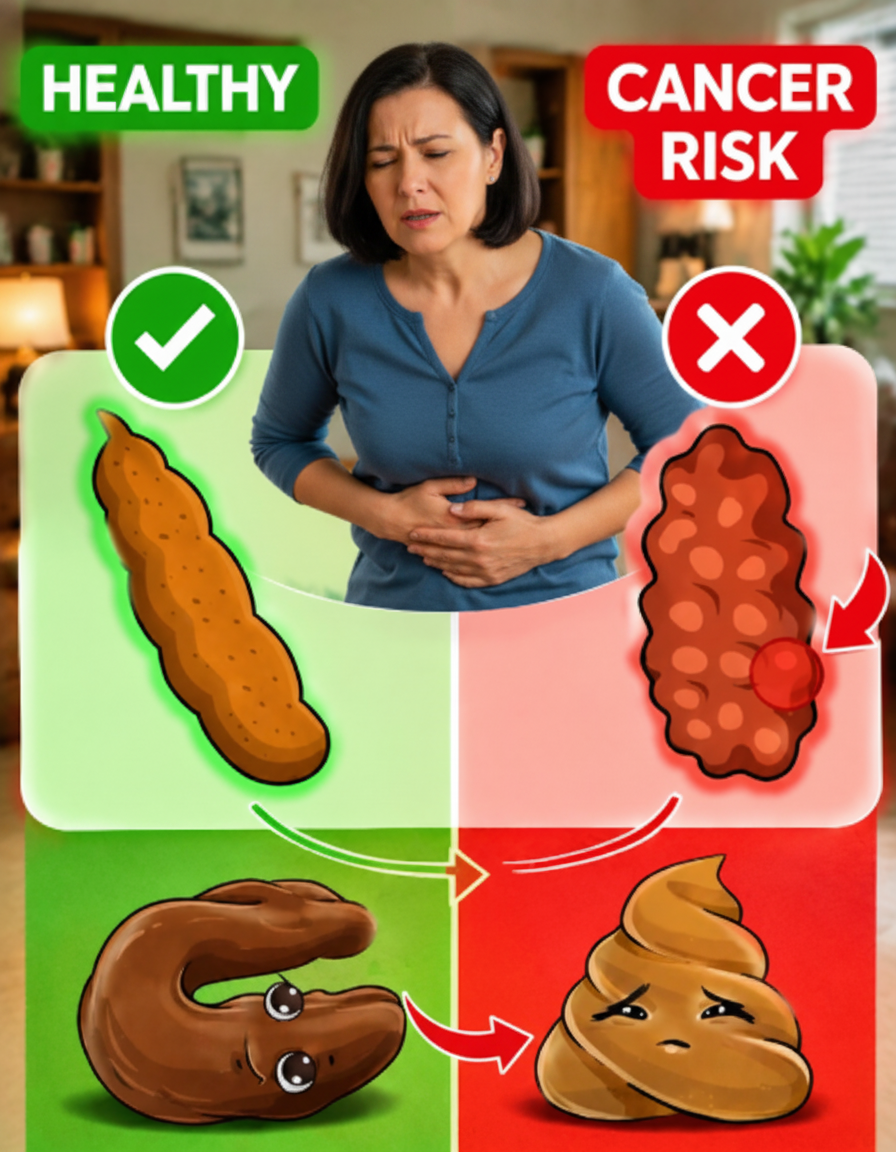
Seeing crimson streaks often comes from pesky hemorrhoids or tiny tears, especially if you’ve been constipated. These are a common party crasher once you hit the big 6-0, but any blood you see needs to be talked about with your doctor to make sure it’s not something nasty. Don’t just slather on some over-the-counter cream and hope for the best. A quick chat with your doc at your next visit can give you real peace of mind.
5. Pale or Clay-Colored Stool
When your usual brown color fades to a ghostly pale or a weird clay color, it may mean your bile isn’t flowing like it should. This could be your gallbladder throwing a fit, or maybe those new pills you’re taking. It’s worth tracking and spilling the beans at your regular check-up. Jot down any recent diet changes or new meds you’ve started to share with your provider.
6. Green Stool That Doesn’t Go Away
A fleeting touch of green after eating leafy greens? No biggie, totally harmless. But if it sticks around like an unwelcome guest for days, it could mean your food is doing a speed run through your system, or you went wild with the fiber supplements suddenly. Ease up on the gas pedal with your meals gradually and see if that weird green tint finally takes a hike.
7. Floating, Greasy Stool That Sticks to the Bowl
Stool that floats like a buoy and leaves a nasty, oily slick in the bowl often contains more undigested fat. This can happen when your body’s fat-digesting machinery is acting up, especially once you’re past 65. Cut back on the greasy stuff and try smaller, leaner meals for a week, then observe any difference.
8. Noticeable Mucus on Your Stool
A little bit of slimy stuff is totally normal, but if you’re seeing thick, snot-like globs, that’s a red flag for irritation. Could be from what you’re eating, a recent round of antibiotics, or some food sensitivities. Start a simple food diary – you might just uncover the culprits, like dairy or those sneaky processed items.
9. Penc
Remember, your body talks – you just gotta listen. Don’t let these little signals turn into big problems. Stay informed, stay healthy, and keep checking back for more no-nonsense health tips. Your well-being is our top priority, and we’re here to help you live your best life, no matter your age! Keep exploring our site for more insights into living a vibrant, healthy life!