 By admin
 Understanding COVID-19 Vaccine Side Effects: Four Key Insights
COVID-19 vaccines represented a pivotal moment in the global fight against the pandemic, instrumental in averting millions of fatalities and severe illnesses globally, thereby facilitating a return to normalcy for many communities. However, consistent with all medical treatments, these vaccines carry a very low risk of adverse reactions or side effects. Numerous accounts from individuals have raised important questions regarding the surveillance, investigation, and management of these infrequent occurrences. Grasping the nuances of these experiences is vital for distinguishing factual information from apprehension, empowering individuals to make well-informed health choices. This article delves into four crucial insights derived from extensive journalistic coverage, including a significant investigation by The New York Times. These perspectives underscore the delicate balance between the immense public health benefits of vaccination and the imperative for more robust systems to address rare but genuine concerns. Stay with us until the conclusion, where we will outline practical steps for those seeking clarity on potential vaccine-related experiences.
1. For the Vast Majority, Vaccine Benefits Significantly Outweigh Potential Risks
Vaccinations, particularly those developed for COVID-19, stand as monumental achievements in contemporary medical science. Global analyses indicate these vaccines averted approximately 14.4 million deaths during the initial phases of the pandemic. Within the United States, an impressive 270 million individuals received nearly 677 million doses, with severe adverse reactions documented in only about 0.001% of administrations. It’s important to acknowledge that even highly safe vaccines are not entirely risk-free. To put this into perspective, the rotavirus vaccine, which has dramatically reduced severe diarrhea in children, carries a rare risk of a serious intestinal complication in roughly 0.02% of those vaccinated. Likewise, COVID-19 immunizations have been associated with infrequent conditions such as myocarditis, an inflammation of the heart, observed in approximately 1 in 10,000 adolescents. These cases are predominantly mild and responsive to treatment. Crucially, these rare risks pale in comparison to the substantial and more prevalent dangers posed by COVID-19 infection itself, which can lead to far more severe and common health complications. Leading health organizations and extensive research consistently affirm that COVID-19 vaccination offers an overwhelming net positive impact on public health. Nevertheless, this overarching benefit does not diminish the valid experiences of individuals who have unfortunately encountered rare adverse outcomes.
2. Robust Vaccine Safety Surveillance Systems Identify Many Issues, Yet Gaps Persist
Government health authorities utilize extensive databases to meticulously monitor vaccine safety. These sophisticated systems have proven effective in detecting established rare adverse reactions, including specific blood clotting disorders associated with particular vaccines, and continue to investigate potential connections to other health conditions. However, even the most advanced surveillance mechanisms have inherent limitations. Reports submitted can sometimes involve unverified occurrences, and symptoms that are subtle or challenging to diagnose may not always be definitively captured. For example, a significant number of individuals have reported persistent issues such as tinnitus (ringing in the ears), vertigo, cognitive impairment (brain fog), erratic blood pressure, or unusual heart rate fluctuations following vaccination. While research frequently struggles to establish a direct causal link in numerous instances, experts emphasize that conclusive certainty remains out of reach without more profound and focused investigations. This ongoing challenge underscores the critical need for continuous vigilance and enhanced reporting mechanisms.
- Common, Temporary Side Effects: Expected reactions include localized arm soreness, fatigue, and a mild fever.
- Rare, Acknowledged Serious Events: These encompass myocarditis/pericarditis (primarily observed in young males) and specific clotting disorders.
- Reported, Less Confirmed Symptoms: This category includes persistent neurological or autonomic issues reported by a small subset of vaccinated individuals.
Understanding these distinct categories helps to contextualize public discourse surrounding vaccine safety, ensuring that concerns are neither exaggerated nor unduly dismissed.
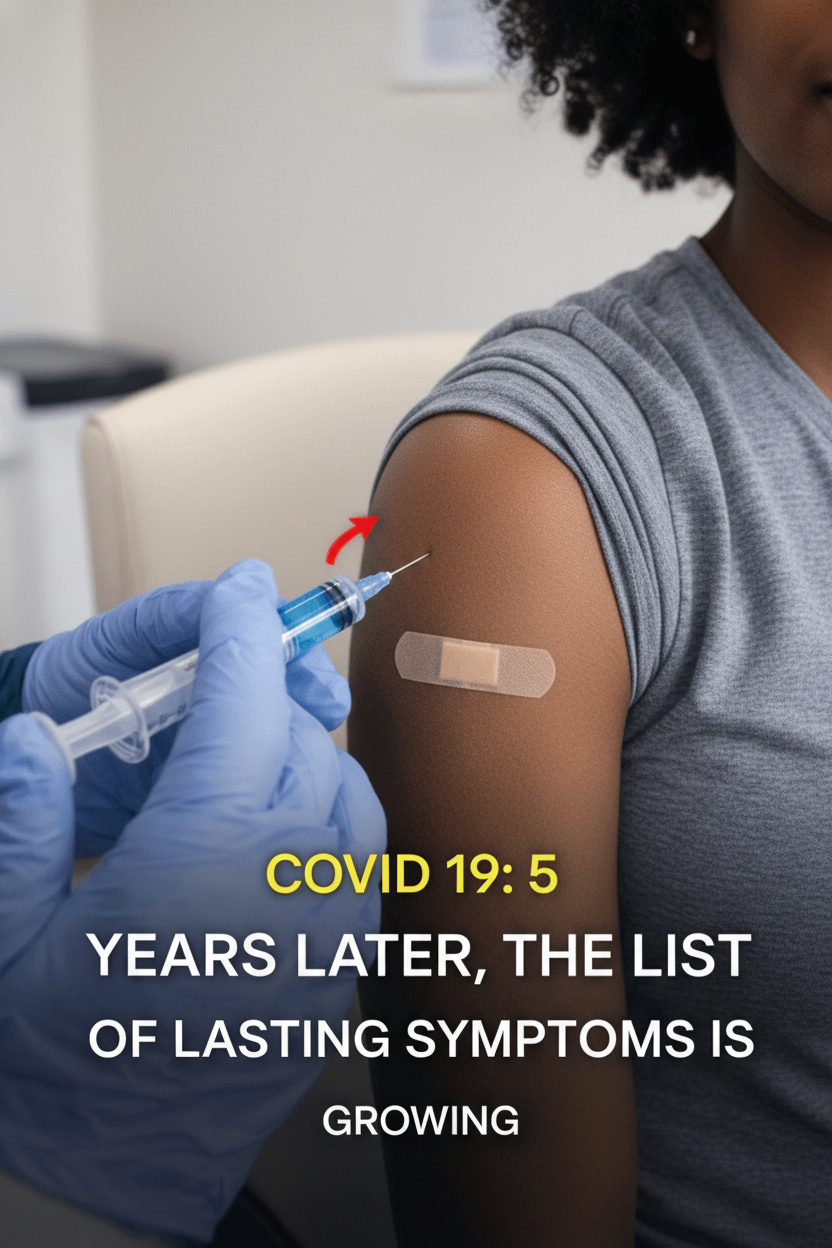
3. Establishing a Direct Causal Link Between Vaccination and Illness Presents Significant Hurdles
Given the global scale of COVID-19 vaccination, with hundreds of millions having received doses, it is an unavoidable statistical reality that common health conditions – such as heart attacks, strokes, miscarriages, or sudden deaths – will naturally occur by coincidence in some individuals shortly after receiving a vaccine. The critical challenge lies in differentiating genuine vaccine causation from mere temporal association. Simply observing an event after vaccination is insufficient; robust scientific evidence is paramount. A historical parallel can be drawn from past misconceptions linking vaccines to autism, where conditions often manifest around the same age as routine immunizations. A recent independent expert review panel concluded that for the majority of reported health issues, beyond those already definitively established, current data remains inadequate to conclusively affirm or refute a direct connection. This inherent complexity elucidates why vaccine injury compensation programs typically approve only a small percentage of claims. In the United States, over 13,000 individuals have sought compensation for alleged COVID-19 vaccine-related injuries, yet only a limited number – predominantly for cases involving confirmed heart-related conditions – have received payments to date. This outcome powerfully illustrates the immense difficulty in constructing irrefutable cases for extremely rare adverse events.
4. Comprehensive Understanding of Rare Vaccine Side Effects Requires Extended Research and Time
While health authorities were swift to acknowledge and communicate common, short-term reactions such as localized injection site pain or transient flu-like symptoms, achieving a full understanding of more protracted or unusual adverse event reports is a considerably slower process. The intricate nature of biological responses, the need for extensive longitudinal studies, and the meticulous collection and analysis of vast datasets mean that definitive answers regarding rare or long-term effects can often take many years to emerge. This ongoing scientific inquiry is crucial for continually refining our knowledge of vaccine safety and efficacy.
While the journey to a complete understanding of all vaccine-related experiences is ongoing, these four lessons provide a crucial framework for informed discussion. For individuals with concerns about their post-vaccination health, consulting trusted medical professionals and utilizing official reporting channels remains the most effective course of action to ensure their experiences are heard and properly evaluated.