 By admin
 For many, gallbladder removal, medically known as a cholecystectomy, offers relief from the acute pain of gallstones or inflammation. However, it’s not uncommon for individuals to experience new or altered digestive symptoms post-surgery, such as changes in bowel habits, bloating, or general indigestion. This phenomenon often prompts questions: Why do these issues arise, and what can be done about them?
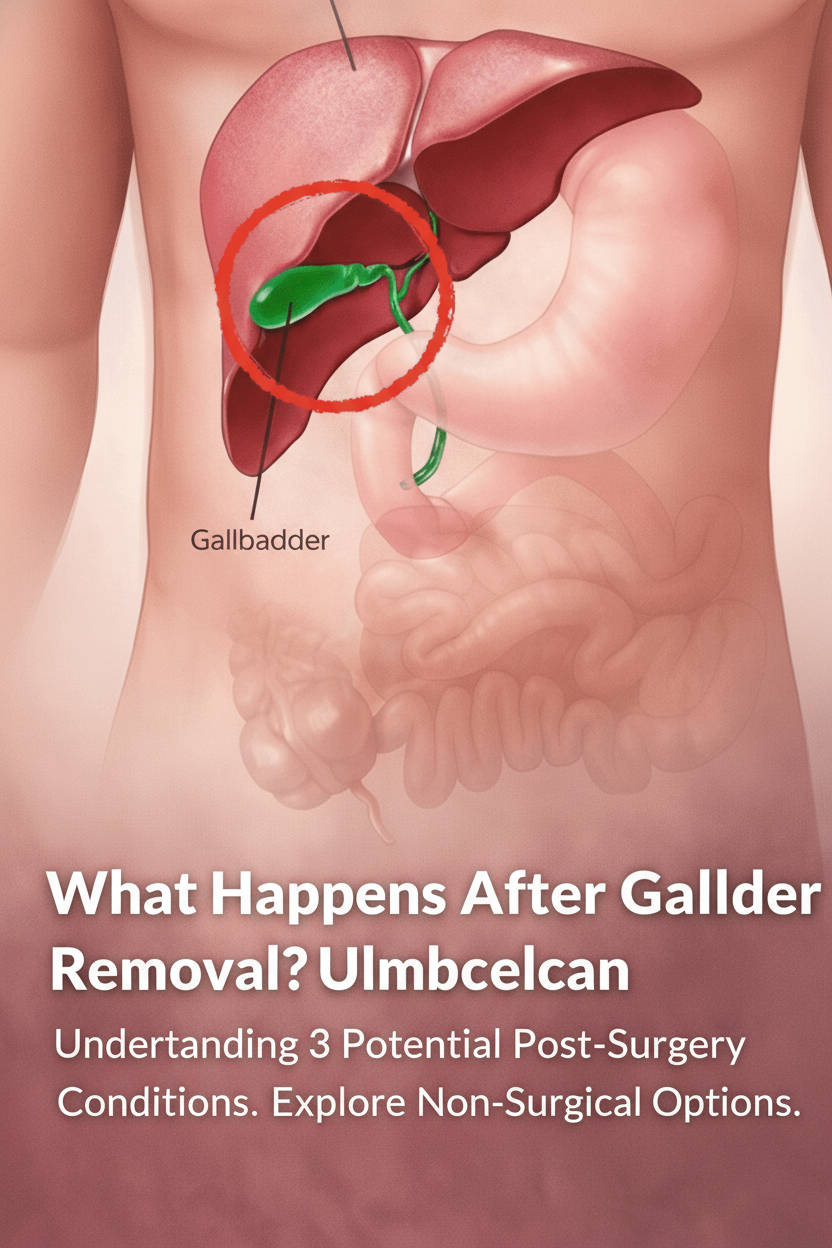
The answer lies in the gallbladder’s crucial role: it acts as a reservoir, storing and concentrating bile produced by the liver, releasing it in precise amounts when you eat, particularly fatty foods, to aid digestion. Once removed, this controlled release mechanism is gone. Bile now flows continuously into your small intestine, which, while still essential for digestion, can sometimes overwhelm the system, leading to uncomfortable symptoms that impact daily well-being. Research indicates that a significant number of patients encounter these post-operative digestive adjustments, underscoring the importance of understanding these shifts and how to effectively manage them.
In this comprehensive guide, we will delve into the typical digestive changes following gallbladder removal, explore potential complications, and provide actionable strategies to foster optimal gut health. Stay with us to discover practical tips, including some surprising daily habits, that can significantly ease your transition and enhance your digestive comfort.
Understanding Bile Flow After Cholecystectomy
Even after your gallbladder is removed, your liver diligently continues to produce bile. However, the critical difference is the absence of its storage organ. Instead of being stored and released in concentrated bursts in response to meals, bile now flows continuously and directly into your small intestine. While this constant influx of bile is still vital for digestion, particularly of fats, its uncontrolled nature can sometimes lead to irritation of the intestinal lining or less efficient fat breakdown. It’s important to recognize that this physiological change impacts individuals uniquely; while many bodies adjust seamlessly over time, others may experience ongoing digestive alterations demanding specific attention and management strategies.
Common Digestive Shifts Following Gallbladder Removal
Post-cholecystectomy, a notable percentage of patients report the emergence or persistence of various digestive symptoms, as highlighted by numerous medical studies. These frequently include sensations of bloating, indigestion, and alterations in bowel patterns. Here’s a closer look at what commonly transpires:
- With bile continuously flowing into the intestines, individuals might experience more frequent or looser stools, often accompanied by a sense of urgency, particularly after consuming meals rich in fats.
- The altered processing of dietary fats can sometimes lead to feelings of uncomfortable fullness or general abdominal discomfort.
- In some instances, bile may reflux into the upper digestive tract, potentially causing irritation or discomfort similar to heartburn.
Recognizing these common adjustments as part of your body’s adaptation process is the first step toward effectively managing them and improving your quality of life.
Potential Post-Cholecystectomy Digestive Complications
Although a cholecystectomy successfully alleviates many issues stemming from gallbladder dysfunction, a subset of patients may experience persistent or novel digestive challenges. Medical literature identifies several key concerns that can arise following the procedure:
1. Postcholecystectomy Syndrome (PCS)
Postcholecystectomy Syndrome (PCS) describes a condition where patients continue to experience, or develop, symptoms mirroring those present before their surgery. These may include upper abdominal pain, bloating, indigestion, or diarrhea. Affecting an estimated 10-15% of individuals, PCS symptoms can vary in severity. Contributing factors often involve residual issues, such as small stones left in the bile ducts, or functional alterations within the digestive system. Encouragingly, many instances of PCS tend to resolve or significantly improve with time and appropriate therapeutic interventions.
2. Recurrent Bile Duct Stones
Despite the removal of the gallbladder, it is still possible for stones to form anew or for existing stones to remain within the bile ducts, whether inside or outside the liver. Studies indicate a recurrence rate ranging from 5% to 25%, influenced by factors such as individual bile duct anatomy and previous stone history. These recurrent stones can cause discomfort similar to pre-surgery symptoms if not detected and managed promptly. Therefore, consistent medical follow-ups are crucial for early identification and intervention.
3. Chronic Digestive Irritation and Malabsorption
The uninterrupted flow of bile into the intestines can, for some, lead to chronic loose stools or a form of bile acid malabsorption. Additionally, bile may occasionally reflux into the stomach, potentially causing irritation or sensations akin to heartburn. These symptoms are directly related to the persistent presence and effects of bile acids in the gastrointestinal tract and are observed more frequently in certain individuals. To better illustrate the distinction:
- Before Surgery: Typically characterized by acute, sharp pain resulting from gallstones obstructing bile flow.
- After Surgery: Often involves more gradual onset issues such as bloating, persistent loose stools, or general indigestion, stemming from the continuous presence of bile.
Grasping these potential differences is vital for setting realistic expectations and effectively addressing post-operative digestive health.
Practical Strategies for Post-Cholecystectomy Digestive Health
Implementing mindful adjustments to your daily routine can profoundly enhance your comfort and digestive well-being following gallbladder removal. The following evidence-based recommendations are designed to be gentle, sustainable, and highly effective:
- Embrace Smaller, More Frequent Meals: Instead of consuming three large meals, aim for 4-6 smaller, well-portioned meals throughout the day. This approach facilitates a more consistent and manageable flow of bile to mix with your food, preventing your digestive system from being overwhelmed and optimizing nutrient absorption.