 By admin
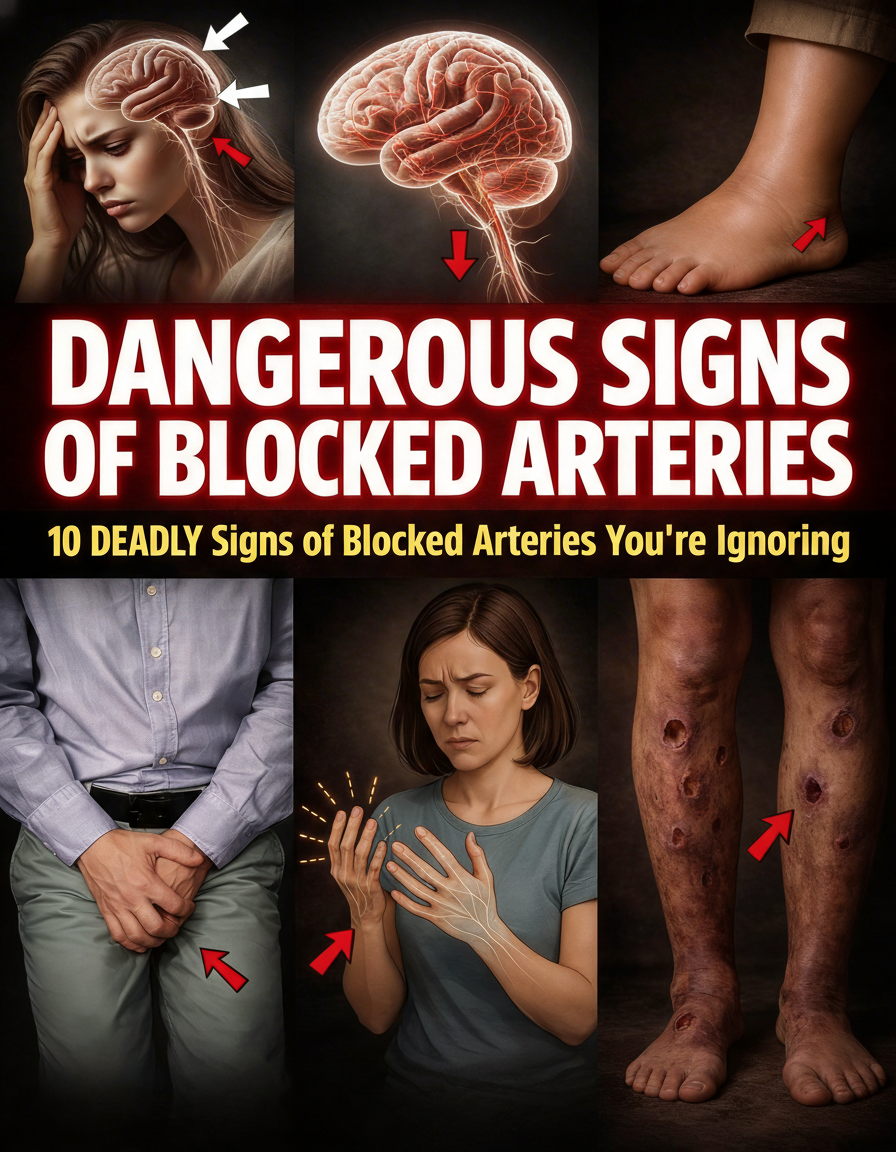
 Beyond the Obvious: 10 Critical Warning Signs of Blocked Arteries You May Be Missing
It’s common for individuals in their 40s, 50s, and beyond to experience subtle physical changes – perhaps an unusual feeling of fatigue after minimal exertion, or an occasional ache dismissed as a normal part of aging or daily stress. These seemingly minor sensations can gradually intensify, often signaling an underlying issue: reduced blood flow due to plaque accumulation in the arteries, a condition medically known as atherosclerosis. While cardiovascular diseases remain a leading health concern globally, recognizing these early patterns is crucial for initiating timely conversations with healthcare professionals. What if a symptom you’re overlooking could be a vital clue to a more systemic problem? Continue reading to discover these critical indicators and understand why paying close attention to your body matters.
Unmasking Atherosclerosis: The Gradual Narrowing of Arteries
Atherosclerosis involves the slow, insidious buildup of plaque – a sticky substance composed of cholesterol, fats, and calcium – within the inner walls of your arteries over many years. As this plaque hardens and expands, it progressively constricts the arteries, impeding the smooth flow of blood, especially when your body’s demand for oxygen increases during physical activity. Research, including insights from reputable institutions like the Mayo Clinic, indicates that this process frequently begins in peripheral areas of the body before more overtly affecting major organs like the heart. Consider, for instance, a walk that once felt effortless now leaves you breathless; many might attribute this to being ‘out of shape.’ However, this gradual decline in capacity warrants scrutiny, as studies consistently show that peripheral vascular issues can often serve as precursors to more severe heart-related events.
Sign #10: Erectile Dysfunction in Men – A Potentially Early Cardiovascular Indicator
For men, persistent difficulties achieving or maintaining an erection can sometimes manifest years before other, more conventional cardiovascular symptoms appear. This is because the smaller arteries supplying blood to the penis can exhibit reduced blood flow due to plaque buildup earlier than the larger coronary arteries. Medical sources, including the Mayo Clinic, link this phenomenon to endothelial dysfunction, which affects the inner lining of blood vessels. Unfortunately, many men feel embarrassed and delay discussing this issue. However, bringing it to your doctor’s attention can provide an invaluable opportunity for a broader cardiovascular assessment, potentially uncovering underlying arterial issues. But this isn’t the only peripheral clue worth noting…
Sign #9: Persistent Coldness, Skin Discoloration, or Slow-Healing Wounds in Lower Limbs
If your feet consistently feel unusually cold, or if you observe changes in skin color – such as paleness, a bluish tint, or a shiny appearance – alongside minor cuts or sores that take an abnormally long time (weeks) to heal, these are strong indicators of significantly reduced circulation in the legs. The Cleveland Clinic identifies these as hallmark symptoms of severe Peripheral Artery Disease (PAD). When tissues receive insufficient oxygen and vital nutrients, their ability to recover and repair is severely compromised. Should you notice any of these changes, meticulously tracking their progression can provide crucial information for your healthcare provider.
Sign #8: Intermittent Claudication – Leg Pain During Activity That Resolves with Rest
A distinctive symptom of PAD is muscle aching, cramping, or a feeling of heaviness in the calves, thighs, or hips that reliably begins with physical activity, such as walking, and consistently subsides with rest. The American Heart Association explains this as intermittent claudication, where the muscles demand more oxygen than the narrowed arteries can supply during exertion. Many individuals mistakenly attribute this discomfort to old injuries, muscle strain, or ‘just getting older.’ However, a consistent pattern of such activity-related leg pain should always prompt a medical evaluation.
Quick Self-Check: Peripheral Signs to Monitor
- Do your legs or calves ache predictably after walking a specific distance or duration?
- Does resting reliably alleviate this discomfort within a few minutes?
- Have you noticed any unusual changes in the skin texture, color, or temperature of your lower limbs?
- Are there any slow-healing sores, cuts, or infections on your feet or toes?
Documenting these observations can furnish your doctor with valuable diagnostic details.
Sign #7: Unexplained Sweating, Profound Tiredness, or Sudden, Overwhelming Fatigue
Experiencing cold, clammy sweats or an overwhelming sense of exhaustion without a clear explanation may signal that your heart is working excessively hard to pump blood against restricted flow. The Mayo Clinic emphasizes fatigue as a significant early indicator, particularly prevalent in women. When the heart’s output is compromised, it can trigger the body’s stress response, leading to these symptoms. While many tend to dismiss such feelings as merely the byproduct of daily stress or a busy lifestyle, recurring or unusual episodes of fatigue warrant careful attention and medical consultation.
Sign #6: Discomfort Radiating to Arms, Jaw, Neck, Back, or Stomach
Pain or pressure that extends beyond the chest and radiates into other parts of the upper body – specifically the arms, jaw, neck, back, or even the stomach – is a critical warning sign. This phenomenon occurs because the heart shares nerve pathways with these areas, leading to what is known as ‘referred pain’ when the heart is under strain. For instance, some individuals have initially mistaken jaw discomfort for dental problems, only for further investigation to reveal a cardiac connection. Have you ever attributed similar widespread sensations to simple muscle strain, indigestion, or heartburn? It’s essential not to overlook these possibilities.
Sign #5: Episodes of Dizziness, Lightheadedness, or Nausea
Sudden bouts of faintness, lightheadedness, or unexplained queasiness, particularly when they occur without obvious triggers, can stem from temporary reductions in blood supply to the brain or other vital organs. Institutions like UT Southwestern highlight these as potential indicators of diminished cardiac output, meaning the heart isn’t pumping blood as effectively as it should. These symptoms may also be experienced more prominently by women. Often, shortness of breath accompanies these feelings…
Sign #4: Breathlessness During Mild Activity or Even at Rest (Dyspnea)
Feeling winded or struggling for breath while performing light activities, such as climbing a short flight of stairs, getting dressed, or even when you are at rest, suggests that your heart is struggling to meet your body’s oxygen demands. This symptom, known as dyspnea, can also be exacerbated by fluid accumulation in the lungs, a consequence of inefficient heart pumping. For many, this symptom appears gradually, making it easy to normalize or ignore its progression. However, it’s a significant sign that should prompt immediate medical attention.