 By admin
 10 Overlooked Warning Signs of Blocked Arteries: Early Detection for Better Heart Health
As individuals reach their 40s, 50s, and beyond, it’s common to dismiss subtle physical changes—such as unexpected fatigue after minimal exertion or intermittent discomfort—as mere consequences of aging or daily stress. However, these seemingly minor symptoms can quietly escalate, often signaling compromised blood flow due to the accumulation of plaque within the arteries, a condition medically termed atherosclerosis. Cardiovascular diseases continue to be a primary global health challenge, underscoring the critical importance of early symptom recognition. What if a seemingly insignificant change could be a vital clue to a more serious underlying systemic issue? Continue reading to uncover these crucial indicators and understand why paying close attention could be life-saving.
The Silent Threat: Understanding Plaque Buildup and Artery Narrowing
Over an extended period, often spanning years, a sticky substance known as plaque gradually accumulates within the inner walls of your arteries. This plaque is primarily composed of cholesterol, fats, and calcium. As this buildup thickens and hardens, it progressively narrows the arterial passageways, impeding the smooth flow of blood. This restriction becomes particularly noticeable during physical activity when your body’s demand for oxygen increases significantly.
Leading medical institutions, including the Mayo Clinic, highlight that this insidious process frequently begins in the peripheral arteries—those supplying the limbs—before the impact on the heart becomes more pronounced. For instance, you might find yourself unexpectedly winded during a walk that was once effortless. While many might attribute this to a decline in fitness, such a gradual change warrants careful consideration. Accumulating evidence suggests that peripheral vascular problems can often serve as an early warning, preceding more severe cardiac events.
Sign #10: Erectile Dysfunction (ED) in Men – A Crucial Early Indicator
For men, the consistent inability to achieve or maintain an erection can manifest years before other overt signs of cardiovascular disease. This occurs because the smaller arteries supplying blood to the penis are often among the first to be affected by plaque buildup and reduced blood flow, even before larger coronary arteries show significant issues. The Mayo Clinic emphasizes that this link is often rooted in endothelial dysfunction, a condition impacting the inner lining of blood vessels.
Due to the sensitive nature of the topic, many men experience embarrassment and hesitate to discuss ED with a healthcare provider. However, addressing this issue proactively can be a gateway to comprehensive cardiovascular health assessments, potentially identifying blocked arteries at an early stage. This is just one of several peripheral clues that shouldn’t be overlooked…
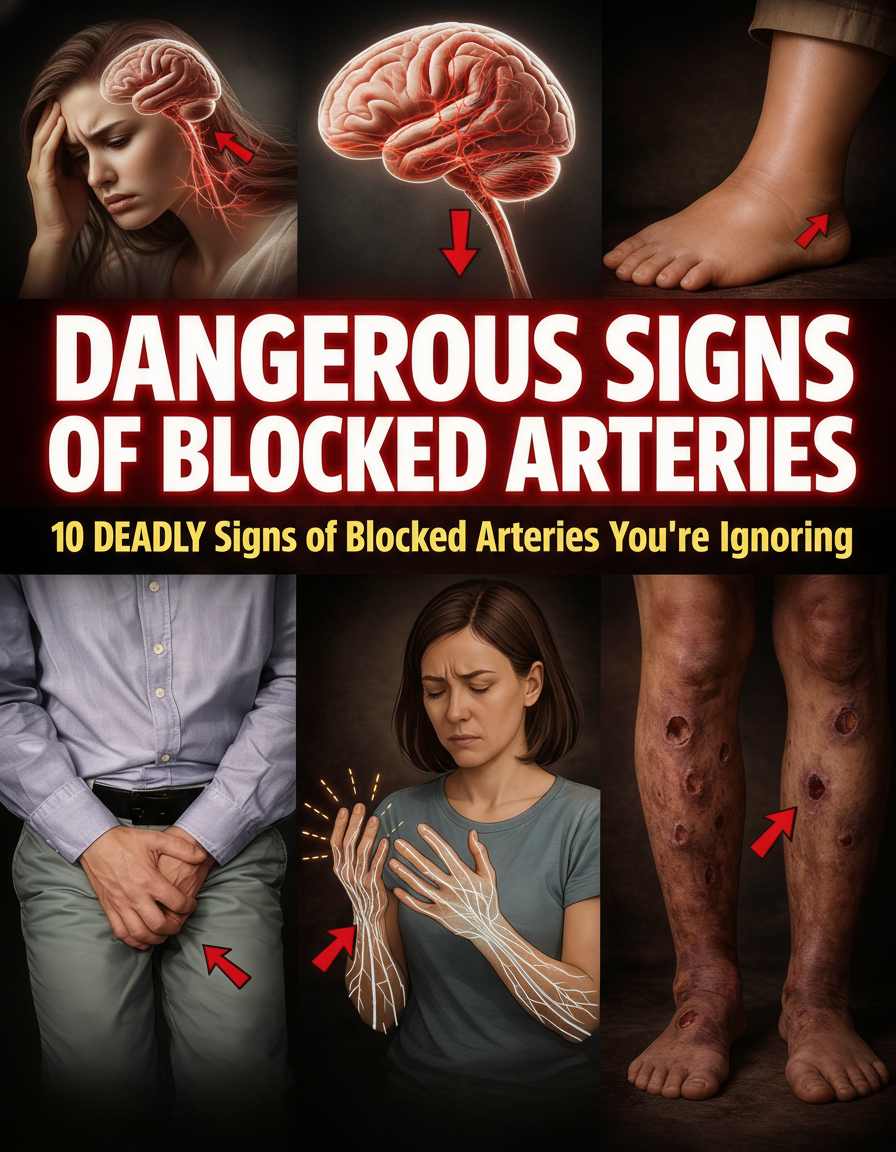
Sign #9: Persistent Coldness, Skin Discoloration, or Non-Healing Sores in Lower Limbs
An unusual and persistent coldness in the feet, coupled with noticeable changes in skin appearance—such as paleness, a bluish tint, or a shiny texture—are significant indicators. Furthermore, minor cuts or abrasions on the legs or feet that take an abnormally long time (weeks) to heal can signify severely diminished circulation in the lower extremities. The Cleveland Clinic identifies these as hallmark symptoms of advanced Peripheral Artery Disease (PAD). When blood flow is restricted, tissues are deprived of essential oxygen and nutrients, severely impairing their ability to repair and recover.
If you’ve observed any of these changes, diligently tracking their occurrence and characteristics will provide invaluable information for your healthcare provider. Now, let’s explore a common discomfort linked to physical activity.
Sign #8: Intermittent Claudication – Leg Pain or Cramping During Movement
A classic symptom of PAD is <a href=”https://