 By admin
 As we navigate the journey of aging, our bodies undergo various transformations. One significant shift occurs in how our metabolism processes glucose, the sugar from the foods we consume. After the age of 60, many individuals experience a natural decline in insulin sensitivity. This means the body’s cells become less responsive to insulin, making it more challenging to efficiently manage blood sugar levels after meals. The consequence? More pronounced post-meal spikes followed by sharp drops, often manifesting as uncomfortable symptoms like sudden fatigue, irritability, or intense cravings.
Over time, these frequent fluctuations in blood sugar can place considerable strain on the cardiovascular system and negatively impact overall well-being. While conventional medications offer support for glucose management, some individuals encounter undesirable side effects, such as digestive discomfort. Fortunately, lifestyle-based approaches, including the thoughtful integration of specific spices, present a gentle yet powerful complementary strategy. Research suggests that the consistent use of certain natural compounds can positively influence how the body metabolizes carbohydrates. However, when it comes to a widely used spice like cinnamon, there’s a crucial distinction that most people overlook, significantly impacting its potential health benefits and safety.
The Crucial Distinction: Cassia vs. Ceylon Cinnamon for Health
Most of the cinnamon readily available and affordably priced in grocery stores is Cassia cinnamon. This common variety boasts a robust flavor, but it contains notably higher concentrations of coumarin. Coumarin is a naturally occurring compound that, when consumed in large daily quantities, has been identified by European safety guidelines as potentially taxing on liver health. For individuals aiming for regular, long-term use, this presents a concern.
In contrast, Ceylon cinnamon, often referred to as “true cinnamon” or scientifically known as Cinnamomum verum, contains significantly lower levels of coumarin—frequently undetectable or negligible. This makes it a much safer choice for consistent daily intake without the associated liver health worries. Beyond its safety profile, Ceylon cinnamon is rich in beneficial polyphenols, including cinnamaldehyde. Studies indicate that these compounds actively support healthy insulin function and contribute to a slower breakdown of carbohydrates, leading to a more gradual release of glucose into the bloodstream. For these reasons, Ceylon cinnamon stands out as the preferred variety for daily dietary incorporation, especially for those focused on metabolic health.
What Research Reveals About Cinnamon’s Role in Glucose Management
Numerous clinical trials and comprehensive reviews have meticulously investigated cinnamon’s potential in supporting healthy glucose levels. Here’s a summary of key findings:
- A significant review of multiple studies concluded that regular cinnamon consumption was associated with measurable reductions in fasting glucose levels.
- Certain trials have observed modest but meaningful improvements in post-meal blood sugar responses. Proposed mechanisms include enhanced insulin receptor activity and a delayed gastric emptying rate, which prevents rapid glucose absorption.
- Meta-analyses, which combine data from several studies, have reported average declines in fasting glucose among specific populations. It’s important to note, however, that the results can vary based on the dosage, duration of use, and individual physiological factors.
While the body of evidence is promising, it’s also somewhat mixed. Benefits appear to be more consistently observed in individuals with already elevated blood sugar levels. Moreover, cinnamon’s effects are generally supportive and complementary rather than dramatic or curative. It should always be considered an adjunct to broader healthy lifestyle habits, such as maintaining a balanced diet, engaging in regular physical activity, and seeking routine medical check-ups.
Real-World Application: A Personal Account of Integrating Ceylon Cinnamon
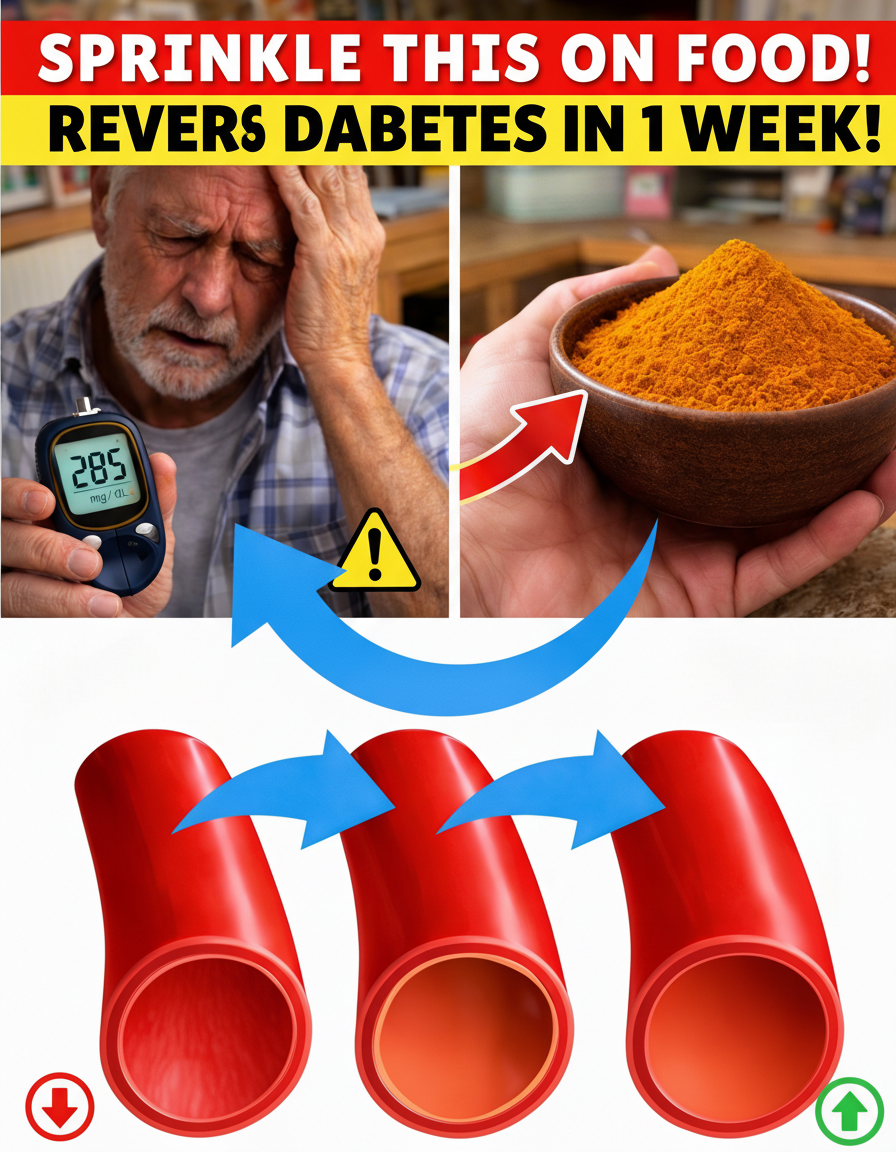
Consider the experience of an individual in their late 60s who frequently encountered typical post-meal energy slumps and feelings of fatigue. After making a conscious switch to Ceylon cinnamon and consistently incorporating it into their daily meals, they reported a noticeable improvement. Within a week, they experienced more sustained energy throughout the day, coupled with reduced shakiness and fewer intense cravings. While individual responses can naturally differ, this anecdotal evidence aligns well with observations from clinical trials where participants often noted an enhanced sense of daily comfort and improved metabolic stability.
A Practical Guide to Integrating Ceylon Cinnamon Daily
Embarking on this simple habit can be straightforward by following these steps:
- Select the Correct Type: Always look for product labels that specifically state “Ceylon cinnamon,” “Cinnamomum verum,” or “Sri Lankan cinnamon.” Reputable brands, often found in organic sections or specialty stores, typically offer authentic Ceylon varieties (expect to pay around $10–15 per jar).
- Recommended Daily Amount: Begin with a modest amount, approximately 1 teaspoon (2–3 grams) distributed across your meals throughout the day. While studies have explored dosages ranging from 1 to 6 grams, starting lower allows your body to adjust.
- Optimal Timing: To potentially maximize its impact on glucose management, sprinkle Ceylon cinnamon with or just before consuming carbohydrate-containing foods.
- Versatile Usage Ideas: Its mild, sweet flavor makes it incredibly adaptable. Stir it into your morning oatmeal, yogurt, coffee, or smoothies. It also complements roasted vegetables, soups, and various savory dishes beautifully.
- Monitor Your Progress: For the initial week, pay attention to your energy levels and how you feel before and after meals. If you are currently taking diabetes medications, it is crucial to monitor your blood sugar levels closely, as the effects of cinnamon may be additive. Most individuals report subtle yet noticeable improvements in energy stability within a few days to a week of consistent use.
Enhancing Your Ceylon Cinnamon Experience
- Boost Absorption: Consider pairing Ceylon cinnamon with a small amount of black pepper or a healthy fat source, such as nuts or avocado, which can aid in the absorption of its beneficial compounds.
- Proper Storage: To preserve its potency and delicate flavor, store Ceylon cinnamon in an airtight glass jar, kept away from direct light and heat.
- Taste Preferences: If the taste of powdered Ceylon cinnamon doesn’t appeal to you, standardized Ceylon capsules are an alternative. However, incorporating the whole powder with food may offer a broader spectrum of benefits due to synergistic compounds.
- Crucial Medical Advisory: If you are currently on blood sugar-lowering medications, it is absolutely essential to consult with your healthcare provider before introducing Ceylon cinnamon into your regimen. This precaution helps prevent unexpected drops in blood sugar (hypoglycemia) and ensures safe monitoring.
The Takeaway: Consistency and a Holistic Approach are Paramount
It is vital to understand that adding Ceylon cinnamon to your diet is not a standalone solution for blood sugar management. Its greatest efficacy is achieved when integrated as part of a comprehensive lifestyle strategy that includes balanced nutrition, regular physical activity, and routine medical check-ups. For many individuals over the age of 60, incorporating Ceylon cinnamon represents an accessible, low-cost, and enjoyable method to support daily comfort and metabolic health.
Why not begin today? Pick up a jar of authentic Ceylon cinnamon and try adding just 1 teaspoon with your next meal. Thousands of people are already exploring this simple habit to experience steadier, more energetic days. You could be next.
This article is intended for informational purposes only and should not be considered a substitute for professional medical advice. Cinnamon may influence blood sugar levels and potentially interact with medications. Always consult your healthcare provider before making any significant dietary or lifestyle changes, especially if you have diabetes or are taking prescribed medications, to ensure safe and appropriate monitoring.