 By admin
 Unlock Ancient Secrets: The Complete Guide to Making and Using Rice Water for Hair, Skin, and Wellness
Are you tired of battling dry, tight skin after a long day, or struggling with dull, brittle hair that resists every product you try? These common frustrations can chip away at your confidence, especially when simple routines fail to deliver the desired results. Fortunately, a humble kitchen staple—rice water—offers a natural, time-honored solution. Drawing from ancient traditions, this gentle elixir can seamlessly integrate into your daily beauty and wellness regimen. But there’s a powerful secret to truly maximizing its potential, a twist we’ll reveal towards the end, so keep reading to discover it!
What Exactly Is Rice Water?
At its core, rice water is the milky, starchy liquid derived from either soaking or boiling rice grains. Far from being a mere kitchen discard, it has been a cornerstone of traditional beauty and health practices across various cultures for centuries. This cloudy concoction is rich in an array of beneficial compounds, including essential vitamins, minerals, and amino acids that leach out from the rice. Think of it as a natural byproduct, often overlooked, yet packed with potential.
Modern research further supports its intriguing properties. Studies suggest that rice water contains key compounds like inositol, which may contribute significantly to everyday care needs. It’s remarkably simple to prepare, making it an accessible and sustainable addition to even the busiest lifestyles.
A Timeless Tradition: The History and Cultural Significance of Rice Water
The use of rice water boasts deep roots in ancient Asian traditions, particularly prevalent in countries such as Japan and China. For countless generations, women in these regions have incorporated it into their revered hair and skin care rituals. A prime example is the Huangluo Yao Village in China, where locals attribute their famously long, healthy hair to the consistent use of fermented rice water.
Beyond beauty, in Ayurvedic practices, the water used to wash rice finds diverse applications, from nurturing plant growth to enhancing food preparation and even formulating cosmetics. This rich cultural heritage underscores its remarkable versatility, extending far beyond a simple kitchen leftover. Its reuse also aligns with principles of sustainability, transforming potential waste into a valuable asset for daily routines. Intriguingly, this ancient wisdom has now sparked considerable scientific curiosity, prompting researchers to explore the mechanisms behind these age-old practices.
Unlocking Hair Health: The Benefits of Rice Water for Your Tresses
Many individuals are turning to rice water for hair care, inspired by a blend of compelling anecdotal accounts and burgeoning scientific evidence. It’s believed to significantly enhance hair strength and improve texture. For instance, studies indicate that rice water can reduce surface friction on hair strands and boost their elasticity. This translates to smoother, more resilient hair that is less prone to breakage during styling and everyday wear.
Furthermore, the compounds naturally present in rice water, such as B and E vitamins, are widely recognized for their contributions to overall hair vitality and health. But the benefits don’t stop there; fermented versions may offer even greater advantages. A comprehensive review suggests that fermentation products from rice can possess anti-aging properties, potentially benefiting scalp health and promoting a youthful mane. Consistent users frequently report noticeably shinier and more manageable locks. It’s important to remember that individual results can vary depending on hair type and personal routine.
To summarize, here are some key components in rice water that contribute to its hair-enhancing properties:
- Inositol: A carbohydrate that may help repair damaged hair from within, forming a protective layer.
- Amino Acids: Essential building blocks that can strengthen overall hair structure and promote growth.
- Antioxidants: Help shield hair from environmental stressors and free radical damage.
- Vitamins: Particularly B vitamins, which are crucial for hair vitality and growth.
These elements collectively make rice water a simple yet powerful addition to your regular hair care regimen.
Radiant Complexion: How Rice Water Transforms Your Skin
Rice water isn’t solely a hair care marvel; it’s also gaining significant traction within skincare communities. Research indicates it possesses remarkable moisturizing capabilities, effectively boosting skin hydration. One compelling study revealed that a gel formulation containing 96% rice water increased skin hydration by an impressive 10% compared to a placebo. This makes it an excellent, gentle option for individuals struggling with dry patches or general dehydration.
Moreover, its inherent antioxidant properties can help combat free radicals, which are known contributors to premature aging and skin damage. Fermented rice water, in particular, has demonstrated potential in mitigating the visible signs of sun exposure. Its natural starch content is also known for its soothing and calming effects on irritated skin. Many enthusiasts seamlessly incorporate it into their toners or face masks to achieve a gentle, natural glow. As with any new skincare product, always perform a patch test to ensure compatibility with your unique skin type.
Here’s a quick overview of different rice water types and their primary skincare applications:
| Type | Preparation Method | Potential Skincare Focus Areas |
|---|---|---|
| Soaked | Rinse rice thoroughly, then soak in water for 30 minutes to 2 hours. Strain. | Basic hydration, gentle soothing, mild toning. |
| Boiled | Cook rice with more water than usual, then strain the excess liquid. | Nutrient-rich, improved elasticity, deeper hydration. |
| Fermented | Allow soaked rice water to sit at room temperature for 1-2 days until slightly sour. | Enhanced antioxidants, anti-aging benefits, brighter complexion, improved pH balance. |
This variety allows for personalized customization based on your specific skincare needs and desired outcomes.
Beyond Beauty: Rice Water for Digestive Harmony
Beyond its external beauty applications, rice water has a long-standing traditional use in supporting digestive comfort. It’s frequently recommended for its soothing and binding properties in instances of mild stomach upset or diarrhea. Studies suggest that the starch present in rice water can help bind stools and calm the gut lining, providing gentle relief. This makes it a mild, natural option for rehydration and comfort during periods of digestive distress, offering a holistic approach to wellness.
Crafting Your Own Rice Water: A Simple DIY Guide
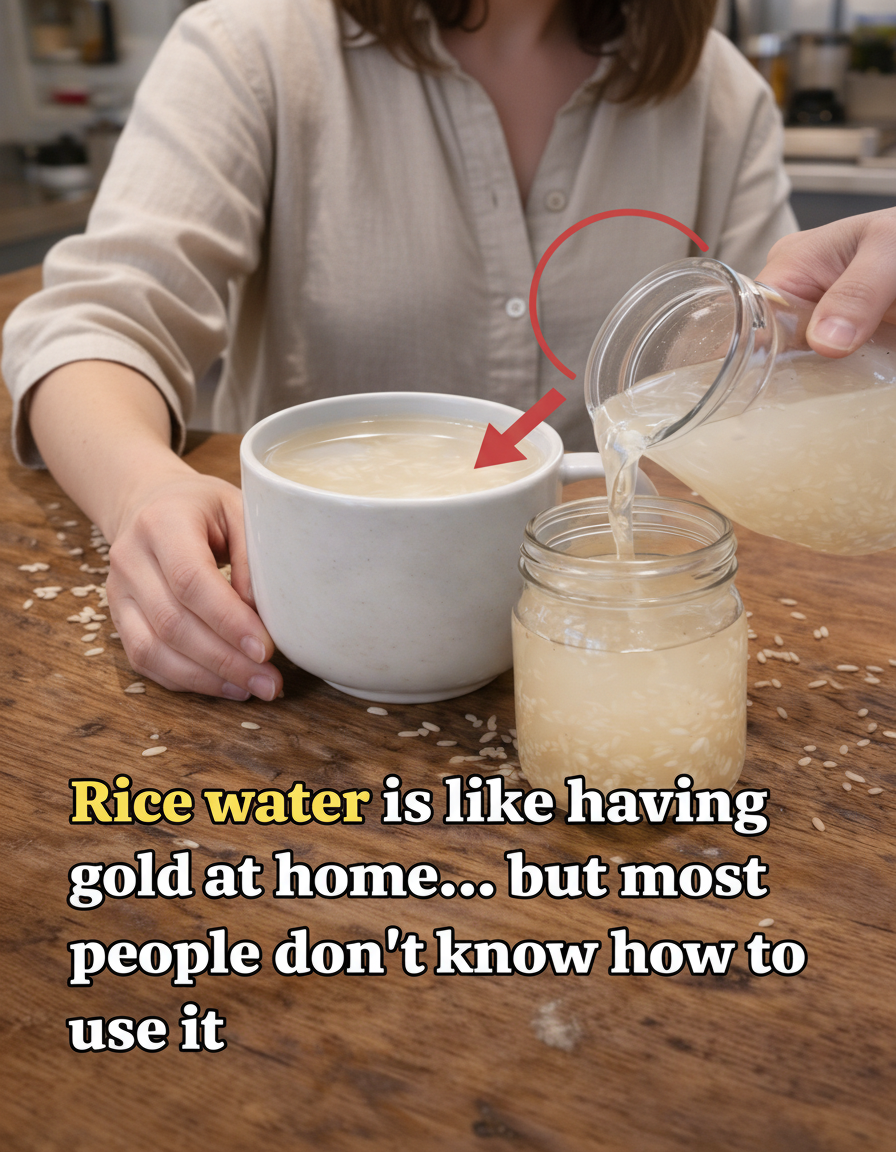
Making rice water at home is incredibly simple, requiring just rice and water. Here are the three most common methods:
1. Soaked Rice Water (Quick & Easy)
This is the fastest method and yields a milder form of rice water.
- Rinse: Thoroughly rinse ½ cup of raw rice (white, brown, or jasmine) under running water to remove impurities.
- Soak: Place the rinsed rice in a bowl and add 2-3 cups of distilled or filtered water.
- Stir & Wait: Stir the rice and water gently. Let it soak for 30 minutes to 2 hours at room temperature. The water should become cloudy.
- Strain: Strain the water into a clean jar or spray bottle. Discard the rice (or cook it!).
2. Boiled Rice Water (More Concentrated)
This method produces a more concentrated, nutrient-rich rice water.
- Rinse: Rinse ½ cup of raw rice thoroughly.
- Boil: Place the rinsed rice in a pot with 2-3 cups of distilled or filtered water. Bring to a boil, then reduce heat and simmer until the rice is cooked.
- Strain: Once the rice is cooked, strain the excess starchy water into a clean container. This water will be thicker and more potent.
3. Fermented Rice Water (Most Potent)
Fermentation enhances the nutrient profile, especially increasing antioxidants and reducing the pH, which can be beneficial for hair and skin.
- Prepare Soaked Water: Follow steps 1-3 for the “Soaked Rice Water” method.
- Ferment: Once you’ve strained the soaked rice water, transfer it to a clean jar. Cover it loosely (to allow air circulation) and let it sit at room temperature for 1 to 2 days.
- Check: The water should develop a slightly sour smell and may appear cloudier. The fermentation time depends on the ambient temperature; warmer climates will ferment faster.
- Dilute (Optional): Fermented rice water is very potent. Before use, it’s often recommended to dilute it with 1-2 parts of plain water to avoid overwhelming your hair or skin.
- Store: Once fermented, store it in the refrigerator to halt the process.
How to Integrate Rice Water into Your Routine: Practical Applications
Once prepared, rice water can be incorporated into various aspects of your daily wellness routine:
- Hair Rinse: After shampooing, apply rice water to your hair and scalp. Massage it in and leave it on for 5-20 minutes before rinsing thoroughly with cool water. Use 1-2 times per week.
- Facial Toner/Wash: Apply diluted rice water to your face with a cotton pad after cleansing, or simply splash it directly onto your skin. Let it air dry or gently pat it in. Use daily.
- Bath Soak: Add a cup or two of rice water to your bath for a soothing, skin-softening experience.
- Oral Consumption (with caution): For digestive upset, diluted, plain (unfermented) rice water can be sipped. Always consult a healthcare professional, especially for persistent issues.
- Plant Water: Don’t discard leftover rice water! It makes a fantastic, nutrient-rich fertilizer for your houseplants or garden.
Important Tips for Optimal Results
- Patch Test: Always perform a patch test on a small area of skin or a strand of hair before full application, especially with fermented rice water, to check for sensitivities.
- Consistency is Key: Like any natural remedy, consistent use over several weeks is crucial to observe noticeable benefits.
- Storage: Store your homemade rice water in an airtight container in the refrigerator for up to one week. Fermented rice water can last slightly longer, but always check for unusual odors or mold.
- Rice Type: While most rice types work, organic white rice (like jasmine or basmati) is often preferred for beauty applications due to its clean starch content.
- Dilution: Particularly for fermented rice water, consider diluting it with plain water before use to prevent potential irritation.
The Unexpected Twist: Maximizing Potency with Fermentation
While soaked and boiled rice water offer excellent benefits, the true “twist” and often the most potent secret lies in fermented rice water. The fermentation process isn’t just about letting it sit; it actively breaks down carbohydrates into beneficial acids and compounds. This leads to an increase in antioxidants, a lower pH (which can help balance hair and skin pH), and a higher concentration of beneficial byproducts like Pitera (a yeast extract known for its anti-aging properties) and various organic acids. This enhanced nutritional profile makes fermented rice water a powerhouse for deeper repair, improved scalp health, and more pronounced skin brightening effects. Embracing fermentation truly unlocks the full spectrum of rice water’s ancient, yet scientifically supported, potential.
Embrace the Natural Glow
From centuries-old traditions to modern scientific interest, rice water stands as a testament to the power of simple, natural remedies. Whether you’re seeking to strengthen your hair, achieve a radiant complexion, or soothe your digestive system, this humble liquid offers a versatile and sustainable solution. By understanding its preparation methods and diverse applications, you can effortlessly integrate this ancient secret into your daily routine. Start experimenting with rice water today and discover the transformative power of this natural elixir for your overall wellness journey.
”
}
“`