 By admin
 Hydrogen Peroxide for Warts: Practical Application, Safety, and Expected Outcomes at Home
While warts often appear as minor skin blemishes, the discomfort, persistent itching, and self-consciousness they trigger can significantly impact daily life. Their rough texture and the constant worry of spreading them to other areas can quietly erode confidence. Many individuals explore simple home remedies, such as hydrogen peroxide, seeking effective relief. But does this common household item truly offer a solution, and how can it be used safely? Stay with me, because towards the end of this comprehensive guide, you’ll uncover a crucial insight often overlooked by those attempting at-home wart care.
Understanding Warts and Their Origins
Warts are small, benign skin growths instigated by specific strains of the human papillomavirus (HPV). This virus typically infiltrates the skin through tiny abrasions, prompting an accelerated growth of cells in the outermost epidermal layer. Dermatological studies confirm that warts are prevalent and generally harmless, yet they possess the ability to spread through direct skin contact or shared surfaces. They can manifest on various body parts, including hands and feet, exhibiting diverse textures and sizes. The critical takeaway here is that while a viral trigger is responsible for wart development, the overall condition of the skin and the body’s immune response play a significant co-factor. This interplay is precisely where home-based approaches like hydrogen peroxide enter the discussion.
What Exactly is Hydrogen Peroxide?
Hydrogen peroxide, commonly available as a 3 percent solution in most pharmacies, is widely recognized for its efficacy as a disinfectant for minor cuts and abrasions. Its mechanism of action involves releasing oxygen upon contact with the skin, producing the characteristic effervescent bubbling. This reaction not only helps cleanse the area of debris but also significantly reduces microbial contamination. What makes it particularly interesting in the context of wart treatment is that, due to its inherent antimicrobial properties and mild exfoliating capabilities, some individuals utilize it at home in an effort to manage warts.
I. How Hydrogen Peroxide May Support Wart Management
It’s important to note that hydrogen peroxide is not formally marketed as a primary therapeutic agent for warts. However, certain individuals integrate it into their routine for the following potential supportive advantages:
1. Antiviral and Antimicrobial Characteristics
Hydrogen peroxide generates an oxidative environment that can aid in diminishing surface microbes.
- May contribute to reducing viral particles present on the skin’s surface.
- Potentially limits secondary bacterial infections.
- Promotes overall hygiene around the affected site.
While it cannot eradicate HPV from the body, maintaining a clean surface may lessen irritation or curb the potential for spread. But that’s not its only potential benefit.
2. Facilitates Removal of Thickened Dead Skin
Warts are frequently characterized by a hardened, keratin-rich outer layer. Hydrogen peroxide may:
- Help to loosen and soften this thickened skin.
- Contribute to smoothing rough wart surfaces.
- Support the skin’s natural exfoliation process.
This softening effect, when applied consistently and cautiously, may gradually diminish the visible prominence of the wart. Dermatological research substantiates the concept that controlled exfoliation can improve the appearance of various thickened skin lesions over time.
3. Alleviates Localized Irritation
Some users report that judicious application may:
- Reduce minor itching sensations.
- Assist in cleansing inflamed skin in the surrounding area.
- Decrease odor in moisture-prone regions, such as the feet.
Nevertheless, excessive use can lead to dryness and further irritation. Achieving a proper balance is crucial.
II. Step-by-Step Home Application Guide for Hydrogen Peroxide
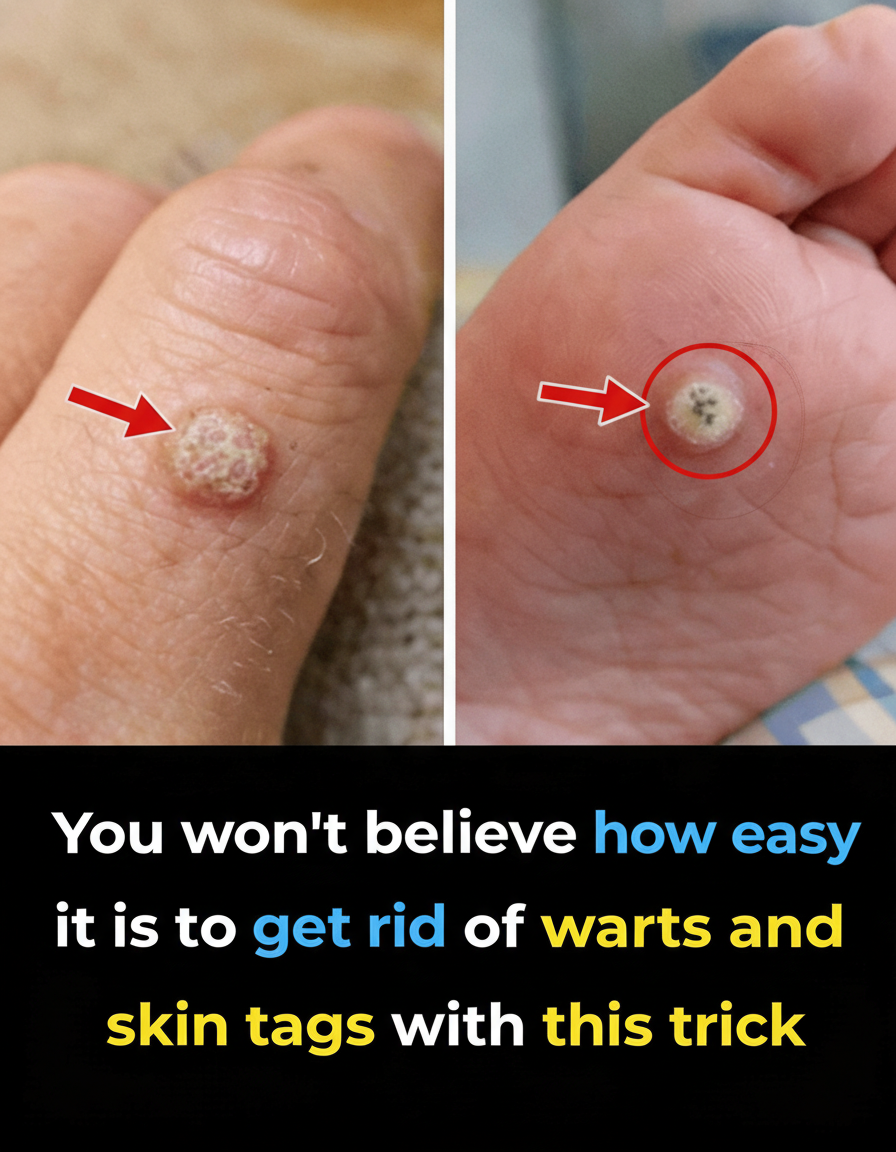
Should you decide to explore hydrogen peroxide for wart care, prioritizing safety is paramount. Below is a structured and careful approach to its use:
Step 1: Select the Appropriate Concentration
- Utilize only 3 percent medical-grade hydrogen peroxide.
- Strictly avoid industrial-strength solutions.
Higher concentrations can inflict damage upon healthy skin.
Step 2: Thoroughly Cleanse the Area First
- Wash the skin with warm water.
- Gently pat dry with a clean towel.
Warm water helps to soften the wart’s surface, preparing it for treatment.
Step 3: Apply with Precision
- Saturate a clean cotton pad with a modest quantity of hydrogen peroxide.
- Carefully dab it directly onto the wart.
- Ensure you avoid contact with the surrounding healthy skin.
This targeted application method helps to minimize potential irritation.
Step 4: Allow to Act for 10 to 15 Minutes
Permit the solution to sit briefly to initiate its reaction. You might observe a mild bubbling sensation, which is entirely normal. However, if you experience intense burning or discomfort, rinse the area immediately.
Step 5: Rinse and Gently Dry
- Wash the treated area with warm water.
- Pat dry gently.
Applying a moisturizer afterward can help prevent excessive dryness.
Frequency Guidelines
- Limit application to a maximum of once or twice daily.
- Avoid prolonged, continuous use without closely monitoring your skin’s condition.
More frequent application does not equate to superior results and can increase the risk of adverse effects.
Related Information: Comparison with Salicylic Acid
Salicylic acid is a widely recommended topical treatment in dermatology for wart management, primarily because it effectively helps to gradually dissolve thickened skin layers. Here’s a concise comparison:
Feature
- Hydrogen Peroxide: Primary Action: Antimicrobial and mild exfoliation
- Salicylic Acid: Primary Action: Breaks down thick skin