 By admin
 Rejuvenate Your Neck and Décolletage: A Gentle, Natural Skincare Approach
While many diligently focus their skincare efforts on their facial complexion, the often-overlooked neck and chest area, known as the décolletage, frequently betrays earlier signs of visible aging. These signs can manifest as a crepey texture, uneven pigmentation, and noticeable lines. The skin in these regions is inherently more delicate and thinner than facial skin, possesses fewer oil glands for natural moisture, and is frequently exposed to environmental aggressors like sun without adequate protection. This combination often leads to dryness and a gradual loss of firmness over time.
It’s entirely understandable to feel a sense of frustration when the appearance of your neck and décolletage doesn’t align with the meticulous care given to your face. However, by integrating simple, natural habits into your daily regimen, you can significantly support healthier-looking skin in these vulnerable areas. Continue reading to explore an accessible blend and supportive steps that many individuals have found beneficial.
Why the Neck and Décolletage Exhibit Age More Prominently
As we advance through our 40s, 50s, and beyond, changes in skin texture and appearance become increasingly evident in specific body zones. Dermatological observations underscore that the neck and upper chest skin is particularly susceptible to these transformations due to its unique structural characteristics:
- Thinner Skin Layer: Compared to the face, this area boasts a significantly thinner epidermal layer, offering less natural resilience.
- Fewer Sebaceous Glands: A scarcity of oil glands means less natural sebum production, leaving the skin more prone to dryness and environmental damage.
- Constant Environmental Exposure: Daily encounters with external factors, especially harmful UV radiation, accelerate the aging process.
Extensive research consistently highlights that unprotected sun exposure is a primary contributor to visible changes such as irregular pigmentation, sunspots, and a marked reduction in skin elasticity within these zones. Many individuals first notice these discrepancies in photographs or when wearing certain garments, which can inadvertently diminish self-confidence in various social settings. Nevertheless, consistent and gentle approaches offer a beacon of hope. Scientific studies suggest that nourishing the skin with potent antioxidants and ensuring deep hydration can play a pivotal role in preserving its youthful appearance.
Exploring a Simple, Natural Blend for Daily Care
One popular, home-inspired option that some individuals incorporate into their routine involves combining pure grape seed oil with a tiny amount of plain white toothpaste for occasional, gentle use. It’s crucial to understand that this particular combination is not a standard recommendation from dermatological professionals; rather, it stems from anecdotal practices and folk remedies, often chosen for its perceived lightweight properties.
Grape Seed Oil is a standout ingredient, revered for its rich concentration of proanthocyanidins—powerful antioxidants that scientific research indicates may effectively combat oxidative stress caused by free radicals. Numerous studies suggest potential benefits for enhancing skin hydration, improving elasticity, and diminishing the appearance of fine lines with consistent topical application. For instance, clinical observations have noted improvements in the skin barrier function and moisture levels when formulations containing grape seed-derived ingredients are used. The oil itself is non-comedogenic and absorbs rapidly without leaving a heavy, greasy residue, making it an excellent choice for the delicate neck and décolletage.
The *mild addition of toothpaste*, in these anecdotal routines, is believed by some to provide a very gentle abrasive effect, assisting in the removal of superficial dead skin cells, which proponents claim can lead to a brighter, more even skin tone over time. However, this practice must always be approached with extreme caution and skepticism.
Important Safety Note: Always perform a patch test on a small, inconspicuous area of your inner arm for at least 24 hours before applying any new blend to your neck or chest. Individual skin sensitivities can vary significantly, and toothpaste, even in small amounts, can be irritating for some skin types. Discontinue use immediately if any irritation occurs.
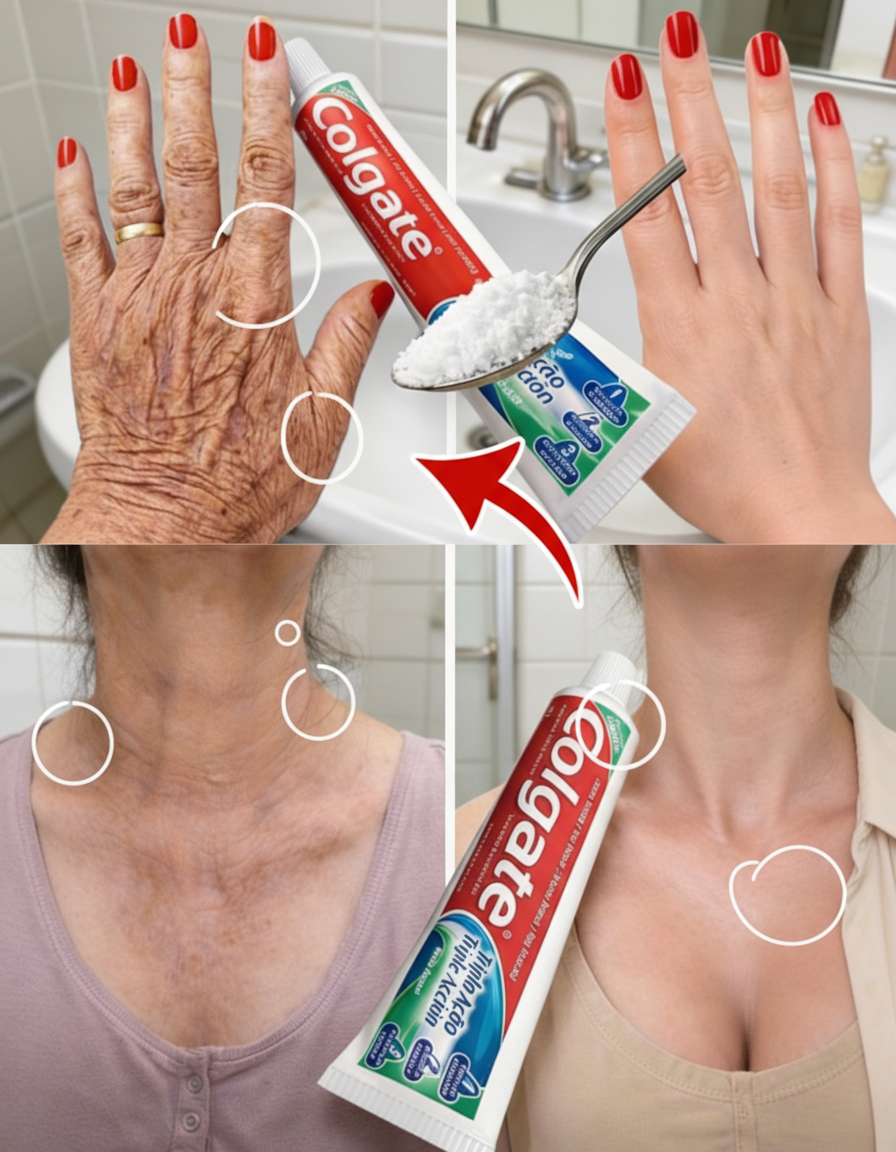
Step-by-Step Guide to Using This Blend (with Caution)
Here’s a straightforward routine you might consider trying 2–3 times per week, keeping the safety notes firmly in mind:
- Cleanse: Gently cleanse your neck and décolletage using a mild, pH-balanced cleanser. Pat the skin completely dry with a soft towel.
- Prepare the Blend: In a small, clean dish, mix approximately 1 teaspoon of pure grape seed oil with a pea-sized dab of plain white toothpaste (ensure it’s a non-gel formula and free of harsh abrasives or whitening agents).
- Apply and Massage: Using clean fingertips, apply the prepared blend to your neck and décolletage. Massage it into the skin using gentle, upward circular motions for about 4–5 minutes. This action not only aids absorption but also helps stimulate local circulation.
- Allow to Absorb: Leave the blend on your skin for up to 45 minutes. If you experience any tingling, redness, or discomfort, rinse it off immediately. For initial uses, consider a shorter duration (e.g., 10-15 minutes).
- Rinse Thoroughly: Rinse the area thoroughly with lukewarm water until all traces of the blend are removed.
- Hydrate: Immediately follow with a nourishing moisturizer to lock in essential hydration and support the skin barrier.
Remember, consistency in your skincare routine often yields better results than intense, sporadic treatments. Pair this approach with daily habits for enhanced skin health. But let’s delve deeper into the scientific basis and complementary strategies.
The Science Supporting Grape Seed Oil for Skin Health
Grape seed oil is celebrated in the skincare world for good reason. It’s remarkably lightweight and non-comedogenic, meaning it won’t clog pores. It’s also brimming with beneficial compounds like linoleic acid (an omega-6 fatty acid) and a potent array of polyphenols. Research, including some promising clinical trials, indicates that these components are instrumental in neutralizing free radicals generated by environmental stressors such as sun exposure and pollution. This protective action can significantly contribute to maintaining optimal skin hydration and firmness.
For instance, one study focusing on topical grape seed extract formulations demonstrated positive effects on improving skin elasticity and moisture content. The powerful antioxidants present in the oil are believed to fortify the skin’s natural protective barrier, which is exceptionally valuable for delicate areas like the décolletage that are particularly vulnerable. While ongoing research continues to uncover its full potential, these established properties firmly position grape seed oil as a gentle yet effective addition to any skincare regimen aimed at promoting a healthy, youthful appearance.
Real Experiences from Everyday Users
Many women, particularly those over 50, have shared encouraging anecdotes after consistently incorporating gentle care routines into their daily lives. For example, a teacher in her late 50s reported noticing a smoother texture and a more even skin tone on her neck and chest after several weeks of a regimen that included grape seed oil application and diligent sun protection. She expressed feeling significantly more comfortable and confident wearing open-neck tops once again.
Similarly, a retiree in her 60s shared her experience of achieving firmer-feeling skin after adopting a routine that emphasized regular upward massage techniques and consistent hydration. These personal accounts, while not scientific evidence, underscore the potential positive impact of dedicated and gentle skincare practices on the visible signs of aging in these often-neglected areas.