 By admin
 For many men navigating life beyond 50, prostate health often presents subtle yet persistent challenges. Symptoms such as frequent nighttime urination (nocturia), a noticeably weaker urinary stream, and the bothersome sensation of incomplete bladder emptying can significantly impact daily well-being. What might initially seem like minor annoyances can escalate into disrupted sleep patterns, diminished energy levels, and a growing sense of frustration that erodes confidence. While some may dismiss these issues as an inevitable part of aging, persistent discomfort can indeed influence mood, limit travel opportunities, and even strain personal relationships. The encouraging news is that scientific research increasingly points to a range of common herbs and foods that can naturally foster prostate wellness and enhance urinary comfort, with a particularly potent combination awaiting discovery at the conclusion of this guide.
Understanding Benign Prostatic Hyperplasia (BPH)
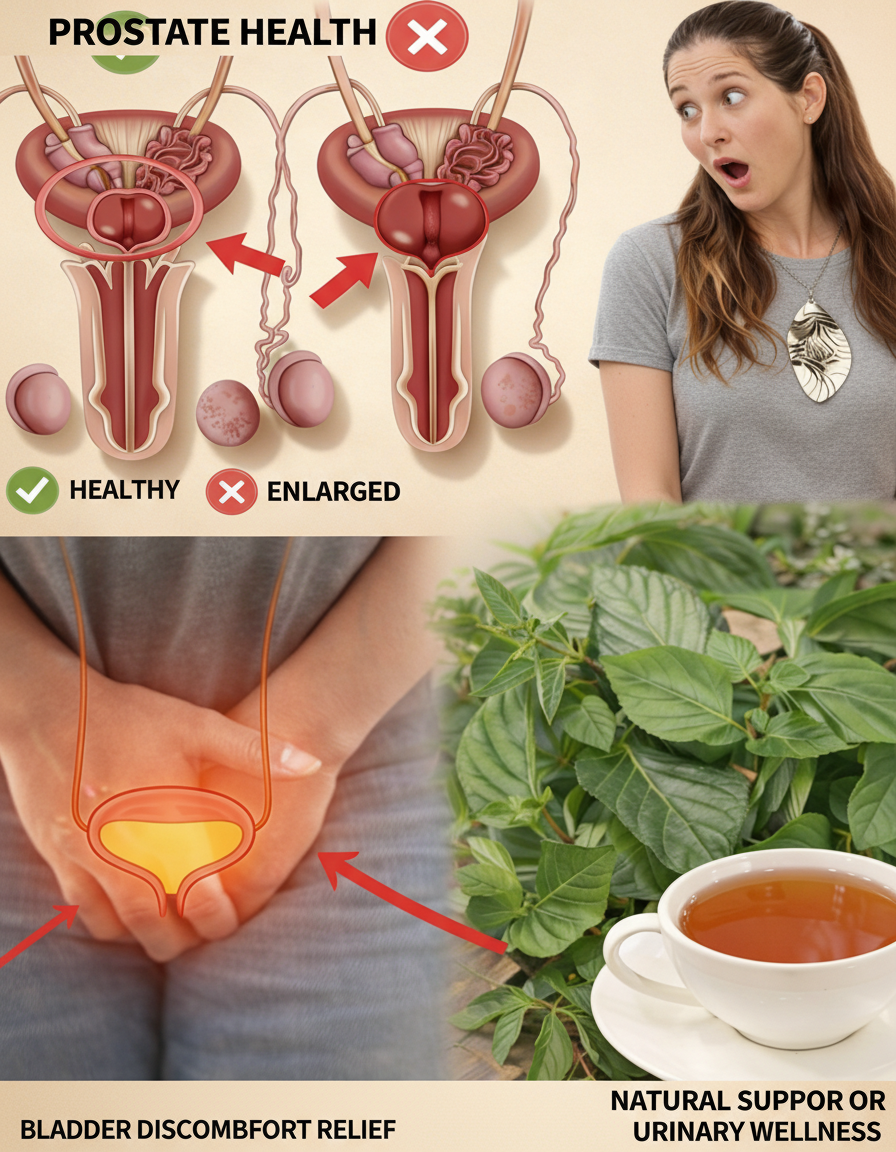
Benign Prostatic Hyperplasia (BPH), or an enlarged prostate, is a condition that becomes progressively more prevalent as men age. Extensive demographic studies indicate that over 70% of men aged 60 and above experience some level of prostate enlargement, with this percentage climbing even higher in subsequent decades.
It’s crucial to recognize the multifaceted nature of BPH, as many are unaware of its underlying complexities:
- Prostate symptoms frequently manifest subtly and worsen over an extended period.
- Fluctuations in hormone levels, particularly the delicate balance between testosterone and estrogen, are believed to play a significant role.
- Chronic inflammation and metabolic factors, such as insulin resistance, are increasingly recognized as contributing elements.
While traditional medical strategies often concentrate on alleviating symptoms, a growing body of research underscores the importance of addressing the root causes. These include systemic inflammation, oxidative stress, and maintaining optimal hormone balance. This is precisely where the strategic integration of specific herbs and functional foods can offer profound benefits.
Foundation 1: Cruciferous Vegetables for Hormonal Balance
Vegetables such as broccoli, cauliflower, Brussels sprouts, and cabbage are rich in potent bioactive compounds like indole-3-carbinol (I3C) and sulforaphane. Scientific investigations suggest that these compounds can:
- Facilitate healthy estrogen metabolism within the body.
- Enhance the liver’s natural detoxification processes.
- Contribute to a reduction in inflammatory markers throughout the system.
To maximize their beneficial active compounds, it’s best to cook these vegetables lightly, such as by steaming. Incorporating just one serving into your daily diet is an excellent first step towards prostate health.
Foundation 2: White Button Mushrooms for Endocrine Support
White button mushrooms are a source of ergosterols and beta-glucans. Preliminary research indicates their potential to modulate aromatase activity, an enzyme crucial for the conversion of hormones, including estrogen. Maintaining a healthy hormonal equilibrium is vital for supporting the long-term well-being of prostate tissue.
Practical Tip: For optimal nutritional retention, thinly slice fresh mushrooms and gently sauté them in a small amount of olive oil, taking care not to overcook them.
Foundation 3: Lycopene-Rich Tomatoes for Robust Antioxidant Defense
When cooked, tomatoes emerge as an exceptional source of lycopene, a potent antioxidant carotenoid. Studies documented in nutritional science journals highlight lycopene’s capacity to:
- Contribute to the healthy functioning of prostate cells.
- Assist in mitigating the impact of oxidative stress on the body.
- Foster the sustained wellness of prostate tissue over time.
Significantly, lycopene’s absorption by the body is considerably enhanced when tomatoes are cooked and consumed alongside healthy fats. This makes dishes like tomato sauce prepared with olive oil far more beneficial than simply eating raw tomato slices.
Momentum 4: Pumpkin Seeds and Pumpkin Seed Oil for Urinary Comfort
Pumpkin seeds are a concentrated source of beta-sitosterol, a plant sterol extensively researched for its role in supporting healthy urinary function. Clinical investigations have demonstrated that beta-sitosterol may contribute to:
- Optimized urinary flow patterns.
- More thorough and efficient bladder emptying.
- A noticeable improvement in overall urinary tract comfort.
Incorporating a small handful of pumpkin seeds into your daily routine, or opting for a teaspoon of cold-pressed pumpkin seed oil, offers a simple yet effective way to gain these benefits.
Momentum 5: Lemon Peel for Hormonal Regulation and Antioxidant Boost
The peel of lemons is surprisingly potent, containing limonene and a spectrum of other beneficial bioactive compounds. Preliminary studies indicate that citrus flavonoids present in lemon peel may positively impact hormonal pathways and bolster the body’s natural antioxidant defenses.
Simple Integration: Consider blending organic lemon peel directly into your smoothies or grating its zest over salads and main dishes. This minor dietary adjustment holds significant potential for prostate health.
Momentum 6: Passionflower Tea for Stress Reduction and Nighttime Comfort
Persistent stress can exacerbate urinary discomfort, partly by causing tension in pelvic muscles and disrupting hormonal equilibrium. Passionflower, known for its calming properties, contains flavonoids like chrysin. Scientific inquiry suggests that passionflower may:
- Induce a state of relaxation.
- Contribute to more restorative and peaceful sleep.
- Aid in the regulation of stress-related physiological pathways.
Enjoying a single cup of passionflower tea in the evening could significantly improve nighttime comfort, as stress management can be just as crucial for prostate well-being as direct prostate support.
Momentum 7: Stinging Nettle Root for Comprehensive Urinary Support
Stinging nettle root boasts a long history of traditional use in supporting urinary tract wellness. Modern scientific evaluations suggest that this powerful herb can:
- Aid in healthy hormone metabolism.
- Work synergistically with other beta-sitosterol rich sources, enhancing their effects.
- Promote comfortable and consistent urinary flow.
This root is frequently combined with pumpkin seed extract to leverage their combined benefits. It can be consumed as a fresh root tea or taken in standardized supplement forms.
Life-Enhancing 8: Moringa for Anti-Inflammatory and Antioxidant Benefits
Moringa leaves are celebrated as a nutritional powerhouse, abundant in both antioxidants and anti-inflammatory compounds. Early research indicates that incorporating moringa may:
- Help modulate systemic inflammation throughout the body.
- Enhance overall metabolic health and function.
- Contribute to robust cellular protection against oxidative damage.
Easy Application: Moringa can be added to smoothies, teas, or sprinkled over meals as a powdered supplement.