 By admin
 17 Crucial Indicators Your Liver Might Be Struggling (And Practical Steps for Natural Support)
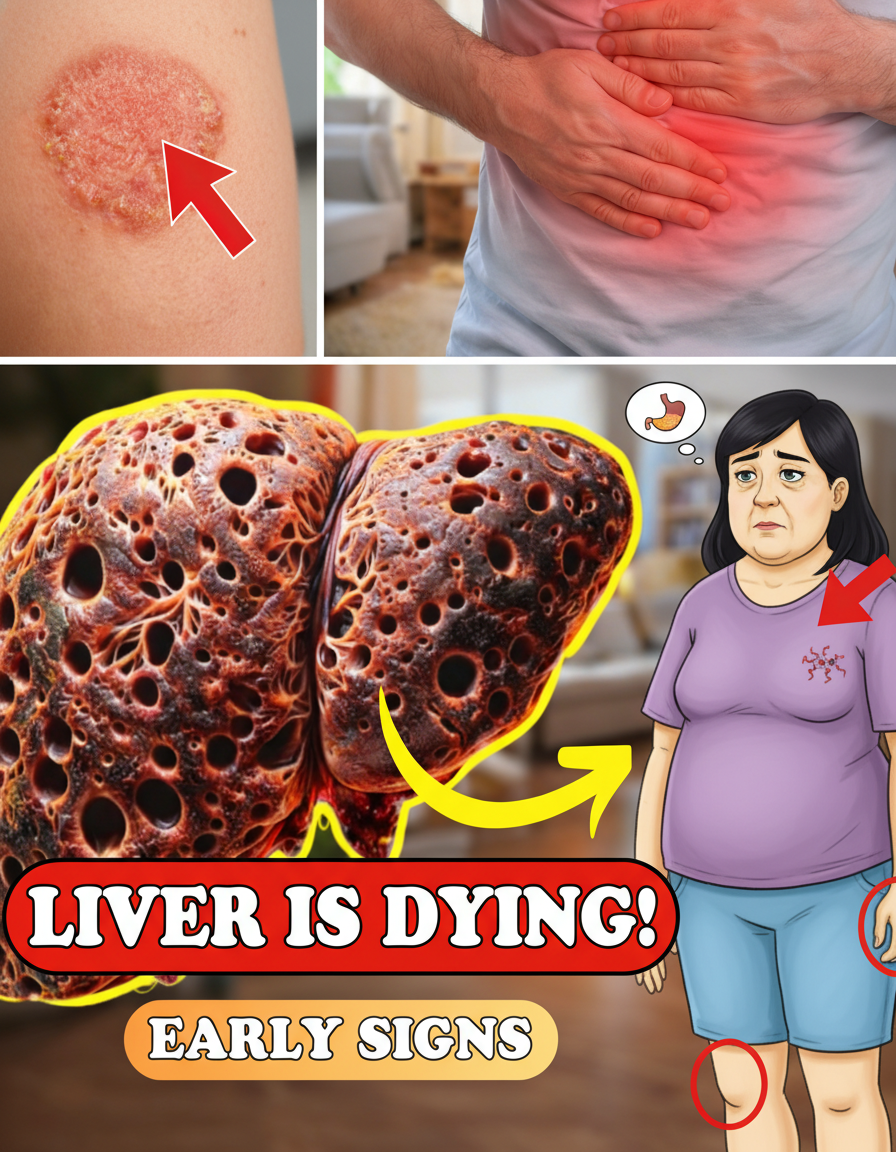
Many individuals today experience unexplained fatigue, uncomfortable bloating after meals, or a persistent dull ache in their upper abdomen. These symptoms are frequently dismissed as mere consequences of stress or the natural aging process. However, contemporary research reveals a more concerning truth: metabolic dysfunction-associated steatotic liver disease (MASLD), previously known as non-alcoholic fatty liver disease (NAFLD), impacts a significant portion of the global population. Recent data suggests that approximately 40% of U.S. adults alone may be living with an accumulation of excess fat in their liver.
This condition often develops without obvious early warning signs, subtly linked to lifestyle factors such as weight management, dietary choices, and physical inactivity. Left unaddressed, it can silently contribute to chronic fatigue and ongoing digestive issues. The encouraging news is that proactive lifestyle adjustments can profoundly support optimal liver function, with many individuals reporting significant improvements through consistent, modest changes. In this comprehensive guide, we will explore 17 potential indicators of liver stress—backed by medical insights—and provide actionable, evidence-based strategies to begin nurturing your liver health today. Continue reading to discover a simple daily regimen that could truly transform your well-being.
The Silent Epidemic: Why Liver Health Demands Our Attention Now More Than Ever
As we age, particularly beyond our mid-thirties and forties, the demands of daily life can easily overshadow subtle shifts in our body’s functionality. Studies consistently show that MASLD has emerged as one of the most prevalent liver conditions worldwide, intrinsically linked to metabolic factors. When fat accumulates in the liver beyond healthy levels, it can progressively impair crucial functions, including energy production and efficient digestion. Alarmingly, many individuals remain completely unaware of this condition until routine medical screenings reveal elevated liver enzymes or advanced imaging techniques detect structural changes.
Early awareness, however, empowers us to adopt supportive habits before issues escalate. Research emphatically highlights that gradual weight management and thoughtful dietary modifications are powerful tools in maintaining robust liver function. But how can you discern if your liver requires extra care and attention? Let’s delve into the specific signs, step by step.
Early Warning Signs Your Liver Needs Attention
These common experiences often manifest gradually and are frequently overlooked or misattributed to other causes.
-
1. Persistent Fatigue Unrelieved by Rest
Do you wake up feeling exhausted, even after adequate sleep? This profound tiredness is often connected to the liver’s vital role in energy metabolism. When the liver is under stress, its capacity to efficiently process nutrients and synthesize energy diminishes, leading to pervasive and unyielding fatigue.
-
2. Frequent Bloating or Excessive Gas After Meals
Are your meals consistently followed by uncomfortable bloating or excessive gas? This can signal underlying digestive inflammation or altered gut function, both of which are frequently observed in individuals experiencing liver stress, as highlighted by digestive health research.
-
3. Discomfort or Fullness Under the Right Ribs
Experiencing a dull ache, pressure, or a sensation of fullness in the upper right quadrant of your abdomen? This region is home to your liver. Enlargement due to fat accumulation or inflammation can create noticeable and persistent sensations in this area.
-
4. Reduced Appetite or Feeling Full Quickly
Has food suddenly become less appealing, or do you feel satiated after consuming only small portions? Hormonal signals originating from a stressed liver can significantly impact appetite regulation, leading to these changes.
-
5. Unexplained Nausea That Comes and Goes
Experiencing recurrent bouts of queasiness without a clear cause? The liver is central to detoxification. Challenges in processing and eliminating toxins can trigger feelings of nausea.
-
6. Increased Frequency of Heartburn or Indigestion
Are you experiencing more frequent burning sensations in your chest or upper stomach? Digestive disturbances, including heartburn and indigestion, are commonly reported in studies related to compromised liver function.
These initial indicators, while impacting daily comfort, are often reversible with timely attention and lifestyle modifications. Here’s a quick self-assessment checklist:
- Rate your average energy levels this week (on a scale of 1-10).
- Note the frequency of any bloating you experience.
- Track any discomfort or pressure felt in your upper right abdomen after meals.
Self-awareness is the crucial first step; many individuals quickly identify patterns that point towards potential liver strain.
More Advanced Signs Requiring Prompt Medical Attention
If liver stress progresses without intervention, more pronounced and concerning changes may emerge. These symptoms warrant an immediate consultation with a healthcare professional.
-
7. Dark-Colored Urine (Resembling Cola)
Noticing an unusually dark shade in your urine, similar to cola? This can indicate issues with bilirubin processing, a pigment produced during the breakdown of red blood cells, which the liver normally excretes.
-
8. Pale or Clay-Colored Stools
Are your stools unusually light in color, sometimes described as pale or clay-like? This often suggests reduced bile flow from the liver, which is essential for proper fat digestion and gives stools their typical brown color.
-
9. Yellowing of the Skin or Eyes (Jaundice)
The appearance of a yellowish tint to your skin or the whites of your eyes is known as jaundice. This is a clear sign of significant bilirubin buildup in the bloodstream and necessitates immediate medical evaluation.
-
10. Intense and Persistent Skin Itching (Pruritus)
Experiencing a relentless, often severe itch, particularly noticeable at night, without an apparent rash? This can be caused by the accumulation of bile salts in the bloodstream, a common symptom of liver dysfunction.
-
11. Spider Angiomas (Spider-Like Blood Vessels on the Skin)
Observing small, web-like blood vessels that radiate outwards from a central red spot, often appearing on the face, neck, or chest? These ‘spider nevi’ can be indicative of hormonal shifts associated with liver compromise.
-
12. Unusually Red Palms (Palmar Erythema)
Do your palms appear unusually flushed or mottled red? This condition, known as palmar erythema, is sometimes linked to altered circulation or hormonal imbalances that can occur with liver disease.
-
13. Unexplained Easy Bruising or Red Spots (Petechiae)
Noticing mysterious bruises appearing easily or pinpoint red spots on your skin without injury? This can signal impaired nutrient absorption or issues with blood clotting factors, both of which are regulated by the liver.
-
14. Swelling in Legs, Ankles, or Abdomen (Edema/Ascites)
Experiencing fluid retention leading to swelling in your lower legs, ankles, or a distended abdomen (ascites)? This is a more advanced sign, indicating significant liver stress affecting fluid balance and protein production.
-
15. Difficulty Seeing in Low Light (Night Blindness)
Struggling to see clearly in dim or dark environments? The liver plays a crucial role in processing Vitamin A, which is essential for good vision. Challenges in this process can contribute to night blindness.
-
16. Breast Tissue Changes in Men (Gynecomastia)
For men, the development of enlarged breast tissue (gynecomastia) can be a sign of significant hormonal imbalances, as the liver is responsible for metabolizing hormones like estrogen.
-
17. Severe or Worsening Pain in the Upper Right Abdomen
Experiencing acute, sharp, or rapidly intensifying pain in the upper right quadrant of your abdomen? This symptom requires immediate medical attention, as it can indicate severe inflammation or damage to the liver.
Recognizing these signs is the first step towards safeguarding your liver health. While this article focuses on identifying potential issues, remember that a proactive approach with lifestyle adjustments is key. (Note: The original article mentioned a ‘simple daily plan’ at the end; this section would typically follow here, detailing actionable lifestyle steps for liver support.) Always consult a healthcare professional for an accurate diagnosis and personalized treatment plan.