 By admin
 Are you tired of persistent oral concerns like stubborn plaque buildup or recurring gum discomfort that chip away at your confidence to smile freely or savor your favorite meals? These seemingly minor issues can escalate if left unaddressed, prompting many to seek simple, effective ways to maintain oral freshness and strength. While modern dentistry offers numerous solutions, a growing number of individuals are exploring natural alternatives to complement their daily habits. Among these, Holy Basil, also known as Tulsi, stands out as a revered herb with a rich history in traditional practices.
But what if this humble plant held ancient wisdom and surprising insights that could significantly enhance your oral care regimen? Stick around to discover not just its well-known benefits, but also a lesser-known aspect that might just revolutionize your approach to dental wellness.
What is Holy Basil (Tulsi) and Why the Growing Interest?
Holy Basil, or Tulsi (Ocimum sanctum), is a verdant, leafy plant indigenous to the Indian subcontinent and parts of Southeast Asia. Often cultivated in home gardens, it holds a sacred place in Ayurvedic traditions, cherished for its aromatic foliage and stems. Several varieties exist, including the vibrant green-leafed Rama Tulsi and the distinctive purple-tinged Krishna Tulsi. Traditionally, it’s consumed fresh, dried, or brewed into invigorating teas.
However, Tulsi’s appeal extends far beyond its spiritual significance. Contemporary scientific interest is fueled by its potent natural compounds, such as eugenol and ursolic acid. Researchers have extensively investigated these bioactive elements for a spectrum of beneficial properties, including those relevant to oral health. For example, various laboratory studies hint at its potential to foster a balanced and healthy oral microbiome. It’s crucial, however, to view Tulsi as a supportive adjunct to your established oral hygiene routine, not as a standalone cure.
Integrating Holy Basil into Your Daily Dental Hygiene
Embracing natural ingredients in your daily self-care rituals can be incredibly empowering. The distinctive, fresh aroma of Tulsi alone can make your brushing routine a more pleasant experience. Research, including findings highlighted in publications like the Journal of Clinical and Experimental Dentistry, suggests that the compounds found in herbs such as Tulsi interact with oral bacteria in fascinating and beneficial ways.
But how can you safely incorporate this powerful herb into your home routine? One straightforward method involves using fresh Tulsi leaves as a simple rinse. Chewing a few fresh leaves daily is a time-honored practice in many cultures, offering direct contact with its beneficial compounds. Alternatively, dried Tulsi can be steeped to create an herbal tea, perfect for swishing. This method is both convenient and easily adaptable to busy schedules.
Here are practical ways to explore Tulsi’s potential in your oral care:
- Fresh Leaf Chew: Gently chew 2-3 thoroughly rinsed fresh Tulsi leaves for about a minute. This can help cleanse the mouth and stimulate saliva.
- Herbal Mouth Rinse: Boil a handful of Tulsi leaves in water, allow it to cool, then strain and use as a refreshing mouthwash twice daily.
- Toothpaste Enhancement: Mix a small amount of finely powdered dried Tulsi with your regular toothpaste for an herbal boost during brushing.
Remember, consistency is key to experiencing its benefits. Start with small amounts and observe how your mouth responds.
Exploring Tulsi’s Multifaceted Benefits for Common Oral Issues
Many individuals periodically grapple with dental plaque accumulation or sensitive gums. Tulsi’s natural chemical profile may offer significant support in these areas. Its essential oils, for instance, have been the subject of studies investigating their interaction with plaque-forming elements. A review published in the International Journal of Pharma and Bio Sciences highlighted how Tulsi’s compounds could contribute to a cleaner, fresher feeling in the mouth.
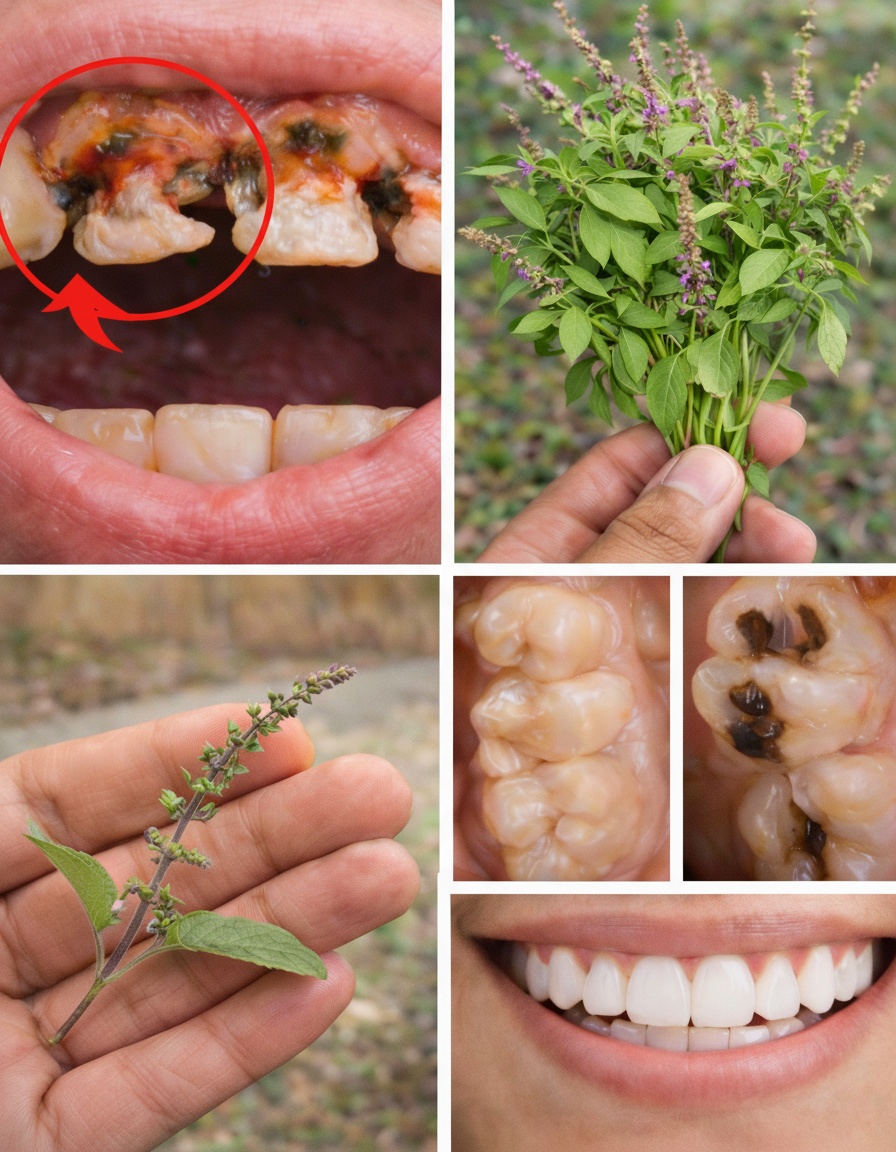
Beyond plaque, bad breath (halitosis) affects millions, often stemming from food residues or dry mouth. Tulsi’s inherently refreshing aroma, coupled with its potential antimicrobial properties, could naturally help in neutralizing odors, as indicated by some preliminary research. Furthermore, for those aiming to support stronger tooth enamel, Tulsi’s natural mineral content, including calcium, might subtly contribute when consumed regularly as part of a balanced diet and oral hygiene regimen.
Let’s consider how Tulsi complements your existing habits:
| Aspect | Traditional Brushing | Integrating Tulsi Daily |
|---|---|---|
| Ease of Use | Quick and routine | Simple, natural integration |
| Natural Scent/Taste | Typically minty from paste | Distinctive herbal freshness |
| Cost-Effectiveness | Moderate, ongoing expense | Low, especially if home-grown |
| Research Backing | Extensive and well-established | Emerging scientific studies |
This comparison underscores why many are increasingly curious about blending these traditional and natural approaches for comprehensive oral wellness.
Step-by-Step Guide to Harnessing Holy Basil for Oral Support at Home
Ready to experience the potential benefits of Tulsi for yourself? Here’s a straightforward, practical guide to get you started safely and effectively:
- Step 1: Source Your Tulsi. Begin by acquiring fresh Holy Basil leaves. You can grow it yourself in a home garden or purchase organic leaves from a reputable health food store or an Indian grocery. Ensure they are free from pesticides.
- Step 2: Prepare a Basic Infusion. Take about 5-6 clean Tulsi leaves and add them to 1 cup of filtered water. Bring the water to a boil, then reduce the heat and let it simmer gently for approximately 5 minutes. This extracts the beneficial compounds.
- Step 3: Cool and Strain. Remove the pot from the heat and allow the infusion to cool down completely to room temperature. Once cool, strain out the leaves using a fine mesh sieve, leaving you with a clear, herbal liquid.
- Step 4: Swish for Oral Health. After brushing your teeth and ideally after meals, take a mouthful of the cooled Tulsi infusion. Swish it gently around your mouth for about 30 seconds, ensuring it reaches all areas.
- Step 5: Spit and Repeat. Always spit out the infusion after swishing; do not swallow large amounts, especially if you’re new to using it. Repeat this process once or twice daily for consistent oral support.
Consistency is more important than quantity. Start small and observe how your mouth feels. If you experience any irritation, discontinue use.
The Lesser-Known Connection: Tulsi’s Adaptogenic Role in Oral Wellness
Beyond its direct antimicrobial and anti-inflammatory properties, here’s a surprising insight into how Holy Basil might indirectly support your oral health: its adaptogenic qualities. Tulsi is renowned as a powerful adaptogen, meaning it helps the body adapt to stress and promotes overall balance. Chronic stress can manifest physically, including through habits like teeth grinding (bruxism) or jaw clenching, which can lead to dental wear, gum recession, and temporomandibular joint (TMJ) issues.
By helping to mitigate the body’s stress response, regular consumption of Tulsi (e.g., as a tea) could potentially reduce the incidence or severity of stress-related oral problems, thus contributing to healthier teeth and gums from a holistic perspective. While not a direct oral application, this systemic benefit highlights Tulsi’s profound potential to support wellness that extends throughout the body, including your mouth.
Embrace a Holistic Approach to Your Smile
Holy Basil, or Tulsi, offers a compelling natural addition to your daily oral care routine, rooted in centuries of traditional wisdom and supported by emerging scientific inquiry. From its potential to combat plaque and refresh breath to its broader adaptogenic benefits, this sacred herb provides a holistic pathway to a healthier mouth and a more confident smile. Remember, while natural remedies are powerful, they work best in conjunction with professional dental care and a consistent hygiene regimen. Consult your dentist or a healthcare professional before making significant changes to your health routine, especially if you have pre-existing conditions or are on medication.