 By admin
 Have you found yourself waking up in a sweat, despite a cool room, or experiencing unexpected emotional shifts that leave you bewildered? These subtle yet persistent alterations can often leave women in their 40s and 50s feeling confused, wondering if it’s simply stress or something more significant. The ambiguity can disrupt daily life, turning routine tasks into sources of frustration. However, understanding these vital signals can provide clarity and empower you to confidently embrace this natural life stage. Stay tuned to the end for an insightful tip that could profoundly impact how you manage these experiences.
Demystifying Menopause: Understanding This Natural Transition
Menopause represents a significant biological shift, marking the conclusion of a woman’s reproductive years, typically occurring around the age of 51. This transition is primarily triggered by the ovaries gradually producing less estrogen, a key hormone that orchestrates various bodily functions. According to the North American Menopause Society, the onset and severity of menopause symptoms can vary considerably among individuals, often beginning subtly during perimenopause—the transitional phase leading up to full menopause.
The challenge is that many women don’t immediately connect these emerging symptoms to hormonal changes. Research from the Mayo Clinic highlights how these shifts can influence a wide array of bodily systems, from sleep patterns to mood regulation. It’s common for these early indicators to be dismissed as mere signs of aging or attributed to lifestyle factors. The encouraging news? Recognizing these patterns early on offers a greater sense of control and preparedness. Let’s delve into the specific signs, starting with one that’s frequently unmistakable.
9. Hot Flashes and Disruptive Night Sweats
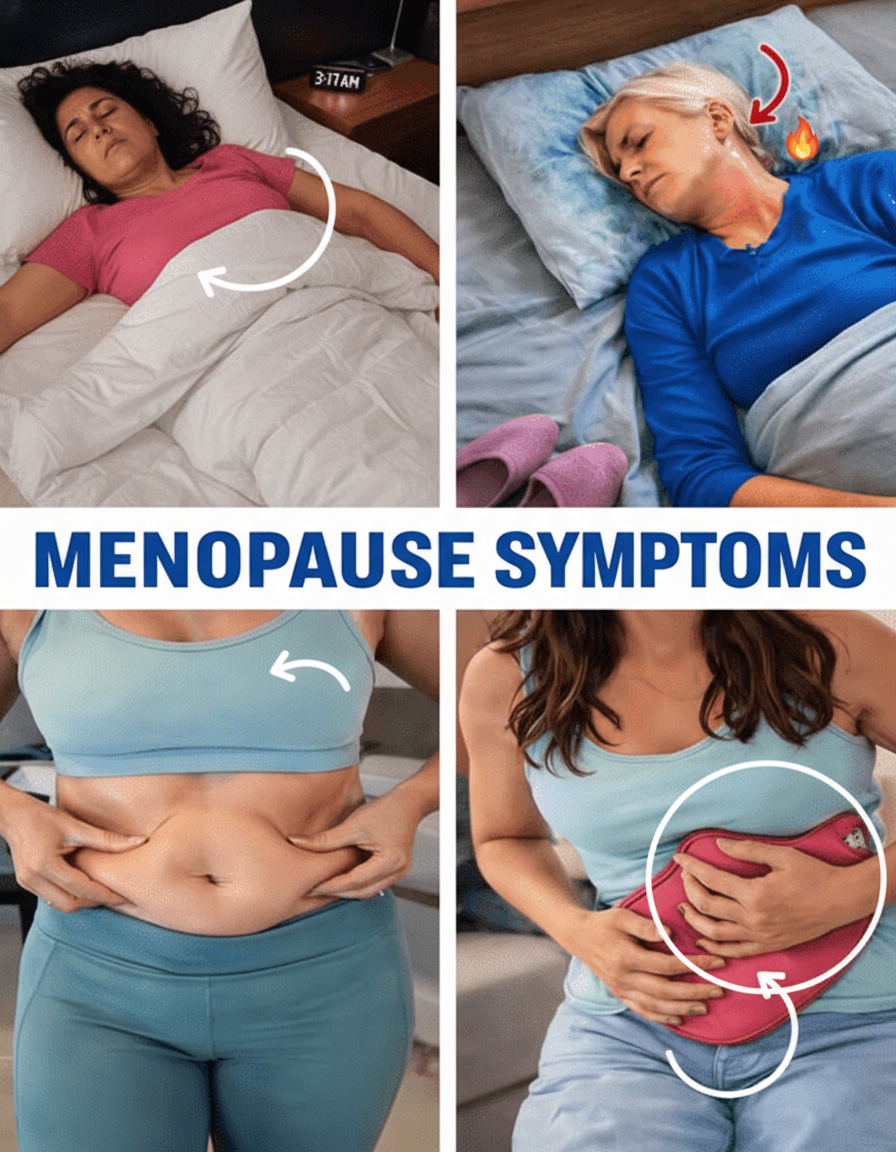
Imagine a sudden, intense wave of heat engulfing your body, even when the ambient temperature is cool. This is a hallmark experience for many women, frequently accompanied by profuse sweating and a noticeable increase in heart rate. Studies from the National Institutes of Health reveal that up to 80% of women navigating menopause will encounter these vasomotor symptoms. These episodes can last anywhere from a few seconds to several minutes and can strike at any moment. Night sweats, in particular, are notorious for severely disrupting sleep quality, often leading to profound exhaustion the following day. Tracking the frequency and intensity of these occurrences can often unveil patterns directly linked to fluctuating hormone levels.
- Sudden, internal surges of heat that radiate outwards.
- Followed by sensations of chills or clamminess as the body attempts to cool down.
- Often unpredictable, these episodes can significantly interfere with daily activities and social interactions.
8. Unpredictable Menstrual Cycles
As the perimenopausal phase unfolds, menstrual cycles often become less reliable. You might find yourself skipping periods for a month or two, or experiencing flows that are noticeably heavier or lighter than your usual. Data from the Centers for Disease Control and Prevention indicates that approximately 70% of women observe these changes during perimenopause. This irregularity stems from the erratic nature of ovulation as ovarian function declines. While it’s easy to attribute such shifts to everyday stress, persistent and significant changes warrant closer attention. Here’s a practical tip: maintaining a simple menstrual cycle journal can be incredibly insightful, helping you identify emerging patterns over time.
7. Heightened Mood Swings and Irritability
One moment, you feel perfectly balanced, and the next, a torrent of emotions surges unexpectedly. This emotional rollercoaster can manifest as heightened irritability, unexplained anxiety, or sudden bouts of sadness. Johns Hopkins Medicine reports that around 50% of women experience these mood fluctuations, primarily due to estrogen’s profound influence on brain chemistry and neurotransmitter regulation. These shifts might feel entirely out of character, sometimes leading to feelings of regret after an abrupt reaction towards loved ones. However, understanding the underlying hormonal connection can significantly alleviate self-blame and foster self-compassion. Furthermore, observing these emotional changes in conjunction with other symptoms often provides a much clearer diagnostic picture.
A Comparative Overview of Common Menopause Symptoms
To help make sense of these diverse experiences, here’s a concise table outlining key indicators, their probable hormonal underpinnings, and distinct clues:
| Sign | Possible Hormonal Cause | Key Clue |
|---|---|---|
| Hot Flashes/Night Sweats | Rapid estrogen fluctuations affecting the body’s thermostat | Sudden internal heat, drenching sweats, followed by chills |
| Irregular Periods | Declining and erratic ovulation | Unpredictable cycle length, skipped periods, altered flow |
| Mood Swings | Estrogen’s impact on brain chemistry and neurotransmitters | Unpredictable emotional volatility, heightened irritability or sadness |
| Brain Fog | Hormonal influence on cognitive function | Memory lapses, difficulty focusing or concentrating |
| Fatigue | Disrupted sleep, hormonal imbalance, increased stress | Persistent, overwhelming tiredness not relieved by rest |
| Weight Gain | Slower metabolism, estrogen-related fat redistribution | Accumulation of abdominal fat, even with no diet changes |
| Vaginal Dryness | Lower estrogen levels leading to tissue thinning | Discomfort, itching, irritation, painful intercourse |
| Sleep Problems | Night sweats, anxiety, hormonal shifts affecting sleep architecture | Difficulty falling or staying asleep, frequent awakenings |
| Joint Pain | Estrogen’s role in inflammation and connective tissue health | Generalized stiffness, aches, and discomfort in joints |
This comprehensive overview, drawing insights from respected institutions like Harvard Health and the Cleveland Clinic, underscores the interconnected nature of these perimenopause and menopause symptoms. Let’s continue exploring the remaining signs.
6. Persistent Brain Fog
Tasks that once felt effortless might suddenly become challenging, accompanied by creeping forgetfulness or difficulty concentrating. Harvard Health Publishing elucidates that estrogen plays a crucial role in supporting optimal cognitive function, and its decline impacts approximately 60% of women. You might frequently misplace items, struggle to recall names, or find yourself losing your train of thought mid-sentence. While it’s tempting to attribute these occurrences to a busy lifestyle, their daily persistence often signals something more profound. The truth is, incorporating simple mental exercises and stress-reduction techniques can often make a noticeable difference in managing these cognitive shifts.
5. Unrelenting Fatigue
Beyond simple tiredness, menopausal fatigue is a pervasive and often debilitating exhaustion that doesn’t seem to improve with rest. This profound weariness can significantly impact your energy levels and ability to perform daily tasks. It’s often a multifaceted issue, stemming from disrupted sleep due to night sweats, the body’s adaptation to hormonal fluctuations, and increased stress. This constant state of low energy can make even simple activities feel overwhelming, diminishing your overall quality of life.
4. Unexplained Weight Gain
Many women approaching menopause notice an unwelcome shift in their body composition, particularly an increase in abdominal fat, even without significant changes to their diet or exercise routine. This phenomenon is largely due to a slower metabolism, a natural consequence of aging, combined with the redistribution of fat influenced by declining estrogen levels. Hormonal changes can cause the body to store fat differently, making it more challenging to maintain a stable weight and contributing to a thicker waistline.
3. Vaginal Dryness and Discomfort
As estrogen levels diminish, the tissues lining the vagina can become thinner, less elastic, and produce less lubrication. This condition, known as vaginal atrophy, leads to significant dryness, itching, and irritation. It can cause discomfort during daily activities and often makes sexual intercourse painful or difficult, impacting intimacy and overall quality of life. Recognizing this sign is crucial, as various effective treatments are available to alleviate symptoms.
2. Disturbed Sleep Patterns
Difficulty falling asleep, frequent awakenings throughout the night, or waking up too early are common sleep problems during perimenopause and menopause. These disturbances are often exacerbated by night sweats, but anxiety, hormonal shifts affecting the body’s sleep-wake cycle, and other menopausal symptoms can also play a significant role. Chronic sleep deprivation can worsen fatigue, irritability, and brain fog, creating a challenging cycle that impacts overall well-being.
1. Aches and Pains in Joints
Many women report experiencing new or worsening joint pain, stiffness, and aches as they transition through menopause. Estrogen plays a role in regulating inflammation and maintaining the health of cartilage and connective tissues. With its decline, joints can become more susceptible to inflammation and wear, leading to discomfort in areas like the knees, hips, shoulders, and fingers. While often attributed to aging, persistent joint pain during this period can be a direct symptom of hormonal changes.
The Empowering Path Forward: Your Next Steps
Recognizing these nine signs is the first crucial step toward understanding and managing your menopausal journey. While each symptom can be challenging on its own, together they paint a clearer picture of the body’s natural adaptation to hormonal shifts. The surprising tip? Embrace a holistic approach to your well-being, focusing on stress reduction through practices like mindfulness or yoga, prioritizing nutrient-rich foods that support hormonal balance, and integrating regular, moderate exercise. These lifestyle adjustments, often overlooked, can significantly mitigate the intensity of many symptoms and enhance your overall resilience.
Remember, menopause is a natural, albeit transformative, chapter in a woman’s life. You don’t have to navigate it alone or in confusion. If you’re experiencing several of these symptoms, it’s highly recommended to consult a healthcare professional, especially one specializing in women’s health or menopause. They can offer personalized advice, discuss potential treatments like hormone therapy or alternative remedies, and provide a tailored plan to help you navigate this transition with comfort and confidence. Empower yourself with knowledge and proactive care to ensure this phase of life is lived with vitality and well-being.