 By admin
 Those distinctive streaks on the skin, frequently appearing on areas like the abdomen, thighs, or chest, are a common concern for many, often impacting self-esteem. Known as stretch marks, or striae, these visible lines can emerge quite suddenly during periods of rapid body transformation, leaving individuals curious about their origins and seeking effective ways to manage their appearance. It’s perfectly natural to feel a sense of frustration when these changes affect your confidence in daily life, whether at the beach or simply wearing fitted attire. Fortunately, gaining a deeper understanding of their underlying causes and implementing straightforward home care routines can significantly improve how you feel about your skin. We’ll delve into these aspects, and by the end, you’ll discover a key everyday habit that can truly make a difference.
What Exactly Are Stretch Marks?
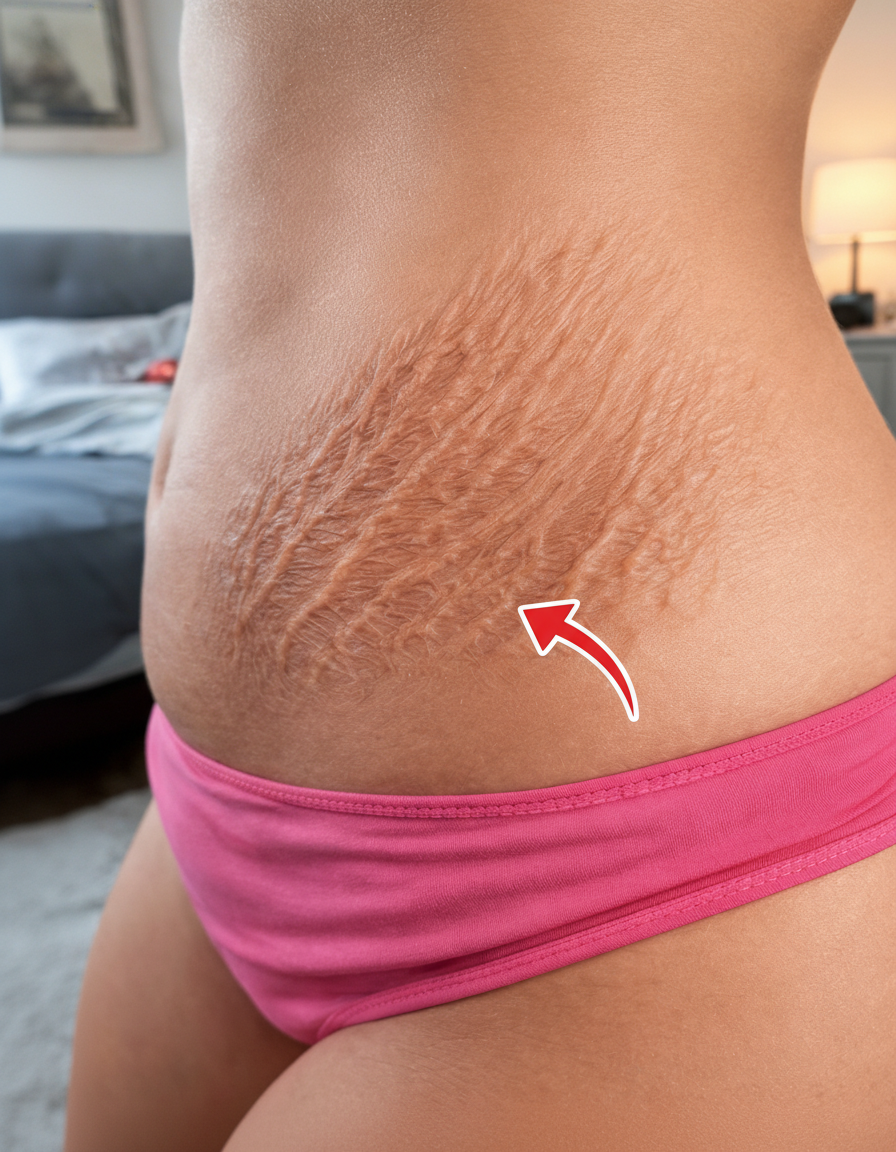
Stretch marks are essentially a form of scarring that develops when the skin undergoes rapid stretching or shrinking. This abrupt change disrupts the delicate network of collagen and elastin fibers located within the dermis—the skin’s vital middle layer. These fibers are crucial for maintaining the skin’s firmness, strength, and elasticity. When pushed beyond their natural limits, these fibers can rupture, leading to tiny tears that manifest as stretch marks.
Initially, these marks often appear as reddish, purplish, or even pinkish lines, which may feel slightly raised or cause a mild itching sensation. Over time, as the skin heals and blood vessels beneath the surface constrict, they gradually fade to a silvery-white or off-white hue, becoming less conspicuous but still retaining a distinct texture. Dermatological research indicates that up to 90% of women may experience stretch marks during pregnancy, but they are equally prevalent among men and teenagers. Recognizing the triggers for these changes can be the first step toward proactive skin care.
Common Causes Behind Stretch Marks
Several factors contribute to the development of stretch marks, most of which are intrinsically linked to significant and rapid alterations in body size or composition.
Rapid Weight Fluctuations
Whether it’s gaining or losing a substantial amount of weight in a short period, your skin often doesn’t have adequate time to adapt. This sudden expansion or contraction places immense stress on the skin’s supportive layers, leading to the formation of those characteristic lines. For instance, during significant weight gain, expanding fat deposits pull the skin taut. The American Academy of Dermatology highlights that this mechanism is a primary reason why individuals undergoing rapid weight changes, such as those on crash diets or intense bodybuilding routines, frequently observe these marks.
Pregnancy and Body Changes
Pregnancy is one of the most common periods for stretch mark development. As the abdomen and breasts expand to accommodate fetal growth, particularly in the later months, the skin undergoes considerable stretching. Furthermore, hormonal shifts during pregnancy also play a significant role, making the skin more susceptible to these tears. Many expectant mothers first notice these marks appearing around their third trimester.
Puberty and Growth Spurts
Adolescence is another common phase for stretch marks. Teenagers experiencing puberty often undergo rapid increases in height or significant muscle development. Areas such as the hips, thighs, glutes, or back may not keep pace with this accelerated growth, resulting in the appearance of stretch marks. It’s a natural part of physical maturation, affecting both boys and girls as their bodies transform.
Hormonal Influences and Medications
Elevated levels of cortisol, a hormone produced by the adrenal glands, can weaken the skin’s structural integrity. This can occur due to long-term use of corticosteroid creams, oral steroids, or medical conditions like Cushing’s syndrome. Cortisol is known to break down collagen and elastin fibers, making the skin more fragile and prone to tearing. Additionally, genetic factors also contribute; if close family members have stretch marks, you might be more predisposed to developing them. Understanding these underlying causes empowers you to take more proactive steps in managing your skin health.
The Stages of Stretch Marks and What They Mean
Stretch marks evolve over time, and their appearance can offer clues about their age and current state. Recognizing these stages can help guide your treatment approach.
-
Early Stage (Striae Rubrae): In their initial phase, stretch marks are typically red, purple, or pink, and may feel slightly inflamed or itchy. This color indicates active inflammation and the presence of new blood vessels, signifying that the skin is actively responding to the stretching. This is often considered the most opportune time for intervention, as the marks are still fresh and the skin is actively attempting to repair itself.
-
Mature Stage (Striae Albae): As stretch marks mature, they gradually transition to a white, silvery, or even off-white hue. This color change occurs because the blood vessels that were prominent in the early stages narrow significantly, and the skin’s collagen fibers reorganize into a more scar-like tissue. While less noticeable in color, these mature marks often have a different texture than the surrounding skin, appearing slightly depressed or wrinkled. Although more challenging to treat effectively, consistent care can still improve their texture and blend.
Home Care Options for Stretch Marks
You don’t need expensive treatments to begin supporting your skin’s health. Simple, consistent home routines can significantly improve skin resilience and potentially reduce the prominence of stretch marks over time.
Moisturizing and Hydration Routines
Maintaining optimal skin hydration is fundamental. Regularly apply creams or lotions rich in ingredients like hyaluronic acid, ceramides, or glycerin, which are excellent at attracting and retaining moisture. Apply these products twice daily, gently massaging them into the affected areas using circular motions. This consistent practice not only enhances skin elasticity and suppleness but can also soothe any accompanying itchiness. Research consistently demonstrates that a well-moisturized skin barrier is more resilient and better equipped to handle stress.
Natural Oils and Massages
Many natural oils are celebrated for their nourishing and skin-supporting properties. Oils such as coconut oil, almond oil, jojoba oil, or rosehip oil, which are rich in vitamins and fatty acids, can be beneficial. Warm a small amount of your chosen oil between your hands and massage it into the affected skin for 5-10 minutes. The best time for this is often after showering, when pores are open and the skin is receptive. This ritual is not only relaxing but also helps to improve blood circulation to the area and aids in the absorption of beneficial nutrients. Consistent massage can help improve skin texture and feel.
The Surprising Everyday Habit: Holistic Hydration and Nutrition
Beyond topical applications, true skin resilience starts from within. The most impactful, yet often overlooked, everyday habit for managing stretch marks and promoting overall skin health is holistic hydration and nutrition. Ensuring you drink plenty of water throughout the day is crucial for maintaining skin plumpness and elasticity. Furthermore, incorporating a diet rich in vitamins C, D, E, and zinc, alongside omega-3 fatty acids, provides the essential building blocks for collagen and elastin production. Think colorful fruits and vegetables, lean proteins, and healthy fats. This internal nourishment supports your skin at a cellular level, enhancing its natural repair processes and improving its ability to withstand stretching. By combining consistent topical care with a focus on internal wellness, you equip your skin with the best possible defense against and recovery from stretch marks.