 By admin
 Unlock Wellness: Discover Hibiscus and Ginger Tea for Heart Health, Blood Sugar Balance, and Enhanced Circulation
Do you often find yourself battling persistent tiredness linked to elevated blood pressure, experiencing uncomfortable swelling in your legs after a long day, or grappling with ongoing concerns about sluggish circulation and unstable blood sugar levels? These common health challenges can profoundly impact your daily life, draining your energy, limiting your mobility, and diminishing your overall sense of well-being. Many individuals are increasingly exploring natural lifestyle adjustments to proactively manage these issues, and among the most promising options gaining traction is a remarkably vibrant herbal infusion.
What if a deliciously tart and refreshing drink, crafted from readily available ingredients, could seamlessly integrate into your daily regimen to foster superior cardiovascular health and metabolic equilibrium? In this comprehensive article, we will delve into the compelling world of hibiscus and ginger tea—a dynamic botanical pairing celebrated in traditional healing practices and increasingly substantiated by modern scientific inquiry. We’ll explore how this potent beverage can become a valuable ally in your journey toward a healthier lifestyle. Be sure to read until the end for a straightforward recipe and practical tips you can implement today.
Why Hibiscus and Ginger Tea is Capturing Attention in the Wellness Community
Hibiscus tea, meticulously prepared from the dried calyces (sepals) of the Hibiscus sabdariffa plant, is renowned for its striking deep ruby hue and a distinct tangy flavor profile, often likened to that of cranberries. The addition of fresh ginger introduces a delightful warming spice that beautifully complements and balances hibiscus’s tartness, while simultaneously contributing its own impressive array of potential health benefits.
Extensive research has spotlighted hibiscus for its exceptionally rich concentration of antioxidants, particularly anthocyanins and polyphenols. These powerful compounds are instrumental in neutralizing oxidative stress, a primary factor implicated in the development of numerous chronic health conditions. Ginger, on the other hand, owes much of its therapeutic efficacy to its active constituent, gingerol, widely recognized for its digestive support and potent anti-inflammatory properties. The truly captivating aspect, however, lies in the synergistic potential of this botanical duo: studies suggest that when combined, hibiscus and ginger may offer enhanced, complementary support for crucial physiological functions such as blood pressure regulation, metabolic health, and circulatory efficiency.
The Scientific Perspective: Documented Benefits of Hibiscus Tea
A wealth of scientific investigations, including rigorous systematic reviews and meta-analyses, has meticulously examined the impact of hibiscus tea on vital health markers.
Supporting Healthy Blood Pressure Levels
Multiple randomized controlled trials have consistently demonstrated that consistent consumption of hibiscus tea can contribute to lowering blood pressure in individuals with mild to moderate hypertension. For instance, a comprehensive meta-analysis reported statistically significant reductions in systolic blood pressure, with effects comparable to certain established lifestyle interventions. One notable study documented an average decrease in systolic pressure after several weeks of regular hibiscus tea intake.
Potential Impact on Blood Sugar and Metabolic Health
Hibiscus has also been investigated for its role in promoting glycemic control. Reviews indicate that it may help reduce fasting blood glucose levels and enhance insulin sensitivity in various experimental models. While more extensive human clinical trials are warranted, preliminary evidence points towards promising benefits for those actively managing blood sugar concerns.
Effects on Cholesterol and Lipid Profiles
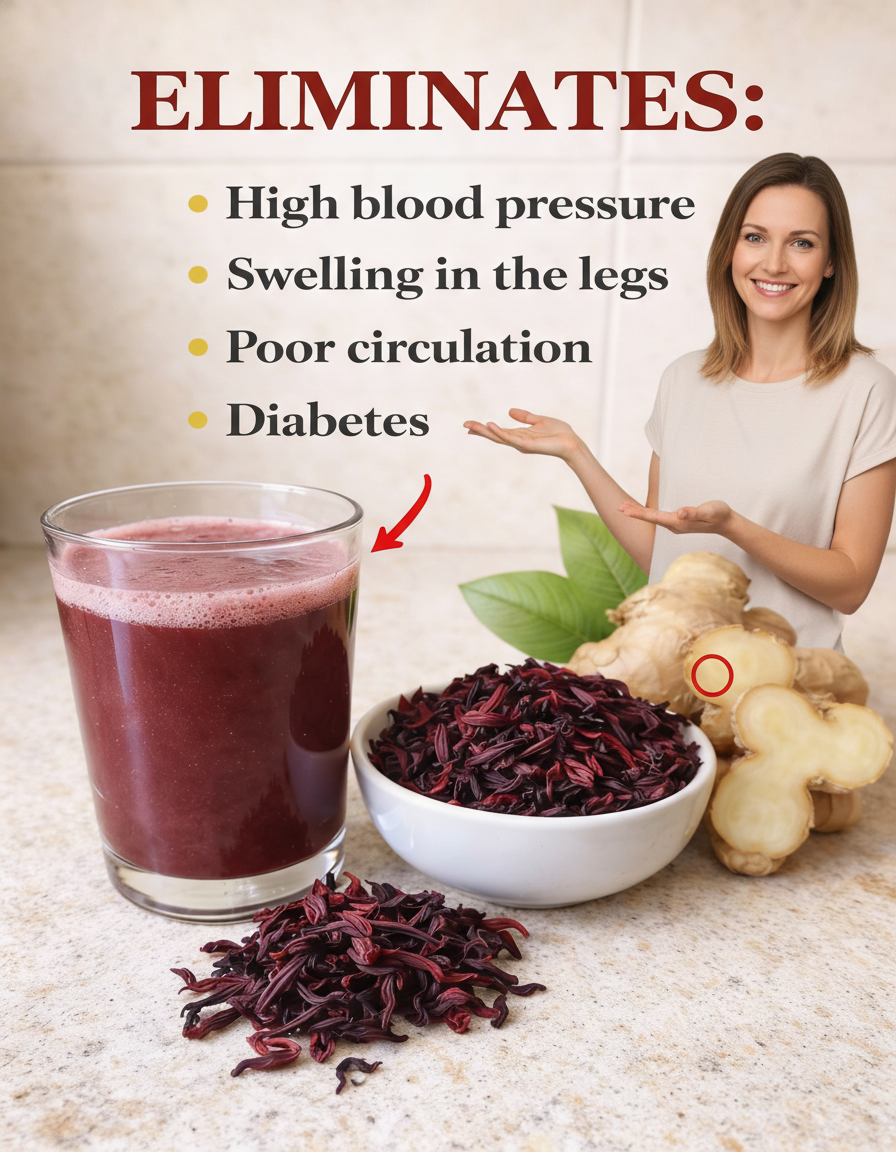
Some analytical studies suggest that hibiscus may contribute to healthier cholesterol profiles by reducing levels of LDL (“bad”) cholesterol while simultaneously supporting or even elevating levels of HDL (“good”) cholesterol. This favorable modulation of lipids can play a significant role in overall cardiovascular wellness.
Addressing Swelling and Circulation
In certain contexts, hibiscus functions as a natural diuretic, which can assist in mitigating fluid retention and alleviating leg swelling. When combined with ginger’s well-documented anti-inflammatory attributes, this powerful tea blend may promote improved blood flow and optimize vascular function, as indicated by research focusing on endothelial health. Crucially, the true allure of this herbal remedy lies in its effortless integration into your daily routine, offering a natural alternative to pharmaceutical interventions.
Key Benefits Backed by Science (At a Glance)
Here’s a concise summary of the most commonly reported findings from scientific studies:
- Blood Pressure Support: Consistent reductions in both systolic and diastolic readings observed in numerous clinical trials.
- Blood Sugar Balance: Evidence of lower fasting glucose levels in some comprehensive reviews.
- Cholesterol Management: Potential for decreasing LDL and total cholesterol levels.
- Circulation and Swelling: Exhibiting diuretic effects and contributing to improved vascular responsiveness.
- Antioxidant Boost: Abundant in compounds that effectively combat oxidative stress and cellular damage.
These compelling findings are derived from reputable sources, including meta-analyses published in leading nutrition journals and clinical trials involving hundreds of participants worldwide.
Brew Your Own: A Simple Hibiscus Ginger Tea Recipe
Ready to experience the potential benefits for yourself? This straightforward recipe yields 2–4 cups and can be prepared in mere minutes.
Ingredients:
- 1/4 cup dried hibiscus flowers (also known as hibiscus sabdariffa calyces or roselle)
- 1–2 inches fresh ginger, thinly sliced or grated
- 4–5 cups water
- Optional: A squeeze of fresh lemon or lime, a touch of honey or a natural sweetener for taste (use sparingly)
Steps:
- Bring the measured water to a rolling boil in a clean pot.
- Once boiling, add the dried hibiscus flowers and the sliced or grated fresh ginger to the pot.
- Reduce the heat to low, cover the pot, and allow the tea to simmer gently for 5-10 minutes. For a stronger flavor and deeper color, you can steep it for a longer duration.
- Carefully strain the tea into cups or a heat-proof pitcher, discarding the solids.
- Serve warm or chill for a refreshing iced tea. Add optional lemon/lime or sweetener to taste, if desired.
Enjoy this delicious and health-supporting beverage as a regular part of your wellness routine!