 By admin
 It’s a common human tendency to notice subtle shifts in our bodies and quickly dismiss them as normal or temporary. Perhaps a slight redness appears on the breast one morning, or it feels a bit heavier than usual, leading to the easy assumption, “It’s probably nothing serious.” However, these seemingly minor changes can sometimes be indicators of a more profound health concern. Breast cancer frequently begins without overt symptoms, and recognizing these alterations early on provides the most favorable opportunity for effective treatment and improved outcomes.
Insights from organizations like the American Cancer Society consistently demonstrate that when breast cancer is identified at a localized stage, the 5-year relative survival rate impressively surpasses 99%. Conversely, any delay in investigating these changes can unfortunately allow the disease to progress. This comprehensive guide will illuminate 10 essential breast cancer warning signs, supported by credible sources, along with actionable steps to maintain a proactive approach to your health.
Why Vigilance Regarding Breast Changes is Paramount
Breast cancer typically originates within the breast tissue, often in the milk ducts or lobules, and may not initially cause pain. According to the American Cancer Society’s Breast Cancer Facts & Figures 2024-2025, approximately 310,720 new invasive cases were projected for women in the U.S. in 2024, with a lifetime risk hovering around 1 in 8. Early awareness and prompt medical evaluation of any breast changes are absolutely critical. This is because survival rates significantly decline as the disease advances: over 99% for localized cases, approximately 87% for regional spread, and about 33% for distant metastatic stages.
Despite these statistics, here’s the reassuring truth: most breast changes are benign and not cancerous. Nevertheless, understanding what breast cancer symptoms to look for empowers you to seek timely professional advice if necessary. Let’s delve into these crucial signs, beginning with the more subtle indicators.
10. Unexplained Changes in Breast Size or Shape
One breast might suddenly appear noticeably larger, fuller, or take on a different shape compared to the other, even in the absence of an obvious lump. This developing asymmetry can occur gradually as tumor growth impacts the surrounding tissue. Research indicates that a significant percentage, around 20-25%, of early breast cancer cases may first manifest as differences in breast size. To monitor this, regularly compare both breasts under consistent lighting and in the same positions.
Key indicators to observe:
- The change affects only one breast.
- It persists for more than two weeks.
- It cannot be attributed to hormonal fluctuations, pregnancy, or weight changes.
- One side may feel distinctly firmer to the touch.
Pro tip: Consider taking monthly photographs of your breasts with your arms at your sides, raised, and on your hips for an easy visual comparison over time.
9. Alterations in Skin Texture (Such as Dimpling or Orange Peel Appearance)
The skin covering the breast may begin to develop dimples, puckers, or a thickened texture that strikingly resembles an orange peel (medically known as peau d’orange). This phenomenon occurs when underlying cancerous tissue pulls the skin inward or obstructs the lymphatic drainage system. Studies from institutions like Johns Hopkins consistently highlight that such texture changes are present in a notable proportion of cases involving invasive breast cancer types.
How to conduct a visual check:
- Stand before a mirror with your arms relaxed at your sides.
- Place your hands on your hips and press firmly to engage your chest muscles, then observe your breasts.
- Raise your arms overhead and carefully look for any pulling, dimpling, or unevenness in the skin.
- Gently pinch the skin on your breasts to feel for any unusual thickening or texture.
Any persistent dimpling or unusual skin texture warrants an immediate professional evaluation.
8. Persistent Itching or Irritation
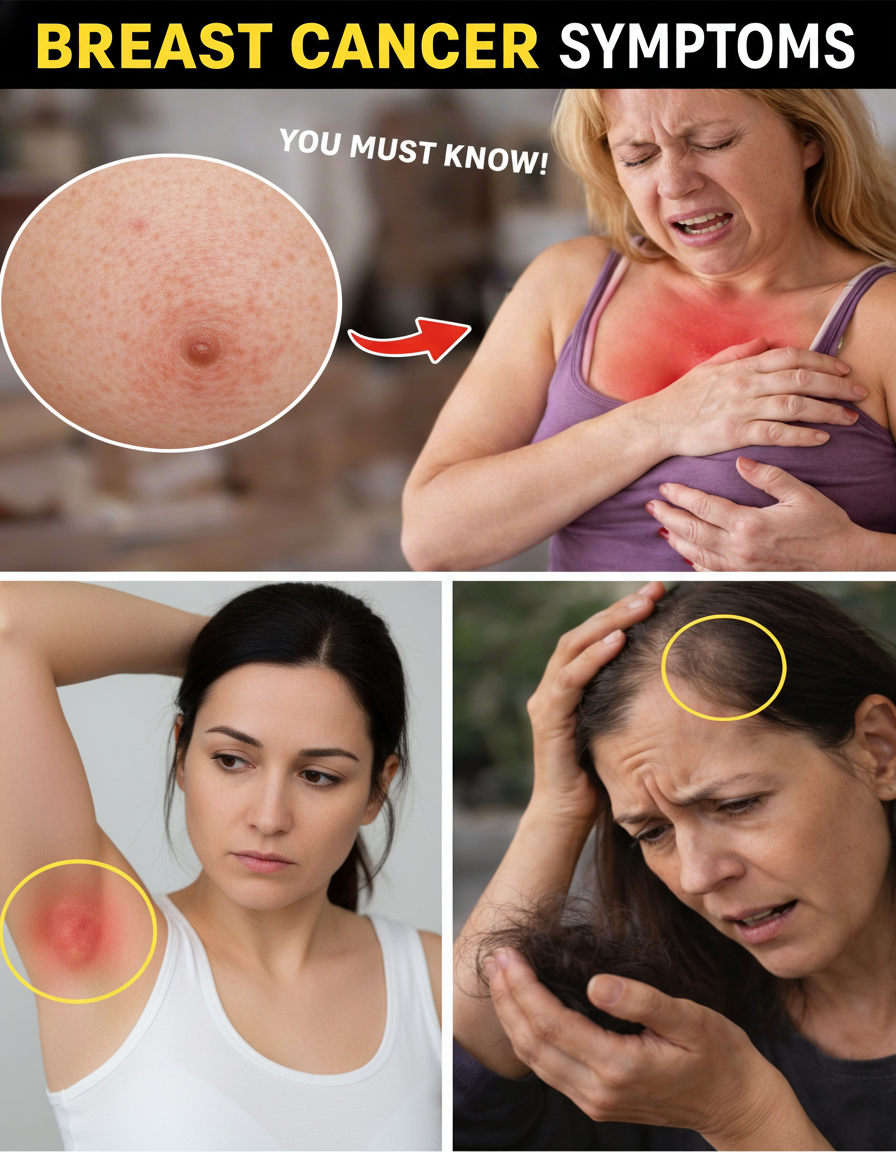
Ongoing, unexplained itching, especially when accompanied by redness or warmth, can be a critical signal of inflammatory breast cancer (IBC), a rarer but particularly aggressive form of the disease. IBC accounts for approximately 1-5% of all breast cancer cases and often presents with persistent symptoms, such as itching that lasts for weeks, unlike fleeting irritation from clothing or allergies. Prompt medical attention is vital if you experience these symptoms.
Common signs associated with IBC:
- Itching that does not resolve with typical remedies.
- Redness covering a significant portion or most of the breast.
- The breast feeling unusually warm to the touch.
- Progressive swelling or enlargement of the breast.
7. Hard, Fixed Lumps or Thickened Areas
A hard, irregular area that feels like a marble or pebble just beneath the skin, often painless and firmly fixed in place (meaning it doesn’t move easily when pressed), is distinctly different from benign, fluid-filled cysts. The American Cancer Society notes that the majority of palpable cancers present as hard or unmoving masses.
Distinguishing benign vs. concerning findings:
- Benign lumps: Typically smooth, easily movable, and may be tender to the touch.
- Concerning lumps: Often irregular in shape, fixed in position, usually painless, and tend to grow over time.
Perform regular self-exams in the shower or while lying down, paying particular attention to the upper outer quadrant of the breast, where changes are most frequently found. Note: Men can also develop breast cancer, though it’s rare (about 1 in 726 lifetime risk). Any hard lump in the chest area, for men or women, deserves immediate medical evaluation.
6. Ongoing, Localized Breast or Nipple Pain
Consistent, localized pain that is not linked to your menstrual cycle can sometimes be a symptom, particularly in inflammatory types of breast cancer. While pain alone is less common as the very first sign, its presence, especially when paired with other changes like new lumps or skin issues, significantly increases concern. Monitor if the pain is deep-seated, affects only one side, and seems to be worsening over time.
5. Unexplained Swelling in the Breast or Armpit
Swelling that appears without an obvious lump, potentially affecting the entire breast, the armpit, or surrounding areas, can be a critical sign. This type of swelling may indicate that cancer has spread to the lymph nodes, which are small, bean-shaped glands that filter substances in the body and are a common first site for breast cancer to spread. Any persistent, unexplained swelling should be promptly evaluated by a healthcare professional.
4. Nipple Retraction or Inversion
A nipple that suddenly begins to turn inward, become flattened, or changes its usual direction (e.g., pointing differently than before) is a significant warning sign. This retraction or inversion can occur when a tumor growing underneath the nipple pulls it inward. While some individuals naturally have inverted nipples, a *new* inversion or a change in a previously everted nipple warrants immediate medical investigation.
3. Unusual Nipple Discharge
Any spontaneous nipple discharge that is clear, bloody, or appears milky (when not breastfeeding) should be a cause for concern. While some nipple discharge can be benign, particularly if it occurs only when the nipple is squeezed, discharge that happens without stimulation, is confined to a single duct, or is accompanied by other breast changes, requires prompt medical assessment. Blood-tinged discharge is particularly alarming.
2. Redness, Warmth, or Darkening of the Breast Skin
Persistent redness, warmth, or a noticeable darkening or bruising-like appearance of the breast skin, without any clear explanation like an injury or infection, can be a symptom of breast cancer. This can be associated with inflammatory breast cancer or other aggressive forms where the cancer cells block lymph vessels in the skin, leading to these visible changes. If these symptoms do not resolve quickly, consult a doctor.
1. Flaking, Scaling, or Crusting of the Nipple or Areola
Changes on the nipple or areola such as flaking, scaling, crusting, or the development of sores that do not heal, can be a sign of Paget’s disease of the breast. This is a rare form of breast cancer that affects the skin of the nipple and the areola. It is often mistaken for eczema or dermatitis, but unlike benign skin conditions, these changes tend to persist and worsen. Any persistent skin abnormalities on or around the nipple should be examined by a healthcare provider.
Taking Proactive Steps for Your Breast Health
Understanding these 10 warning signs of breast cancer is the first crucial step towards proactive breast health. Remember, finding any of these signs does not automatically mean you have cancer, as many benign conditions can cause similar symptoms. However, it unequivocally means you should seek prompt medical advice from your doctor. Early detection significantly improves treatment outcomes and increases survival rates.
Here’s how you can stay proactive:
- Perform Regular Self-Exams: Familiarize yourself with the normal look and feel of your breasts through monthly self-examinations. This helps you quickly identify any new or unusual changes.
- Schedule Clinical Breast Exams: Include regular clinical breast exams as part of your routine check-ups, especially as recommended by your doctor based on your age and risk factors.
- Follow Screening Guidelines: Adhere to recommended mammogram schedules. These imaging tests can often detect breast cancer before any physical signs or symptoms become apparent.
- Know Your Family History: Be aware of your family’s medical history regarding cancer, as genetic factors can play a role in your risk.
- Maintain a Healthy Lifestyle: A balanced diet, regular exercise, and limiting alcohol intake can contribute to overall health and potentially reduce cancer risk.
Your health is paramount. By being informed, vigilant, and proactive, you empower yourself to take control and make a difference in your breast health journey. If you notice any of these breast cancer symptoms, do not hesitate to contact your doctor immediately. Early action can indeed save lives.