 By admin
 A stroke can strike with alarming speed, abruptly interrupting the vital blood supply to a section of the brain. This sudden event carries the potential for severe, long-term impairment or even fatality. Annually, millions confront this medical emergency, yet a significant number often miss the subtle indications their body provides during those crucial initial moments. The stark reality is that even a brief delay in identifying these signs can dramatically alter the outcome, swinging the balance between a complete recovery and enduring disability.
However, there’s a powerful aspect to this: being equipped with the knowledge of these warning signs and responding promptly significantly enhances the prospects for yourself or someone you care about. Stay with us until the conclusion, as we’ll also reveal straightforward daily practices, backed by scientific research, that can substantially reduce your stroke risk over time.
What Occurs During a Stroke?
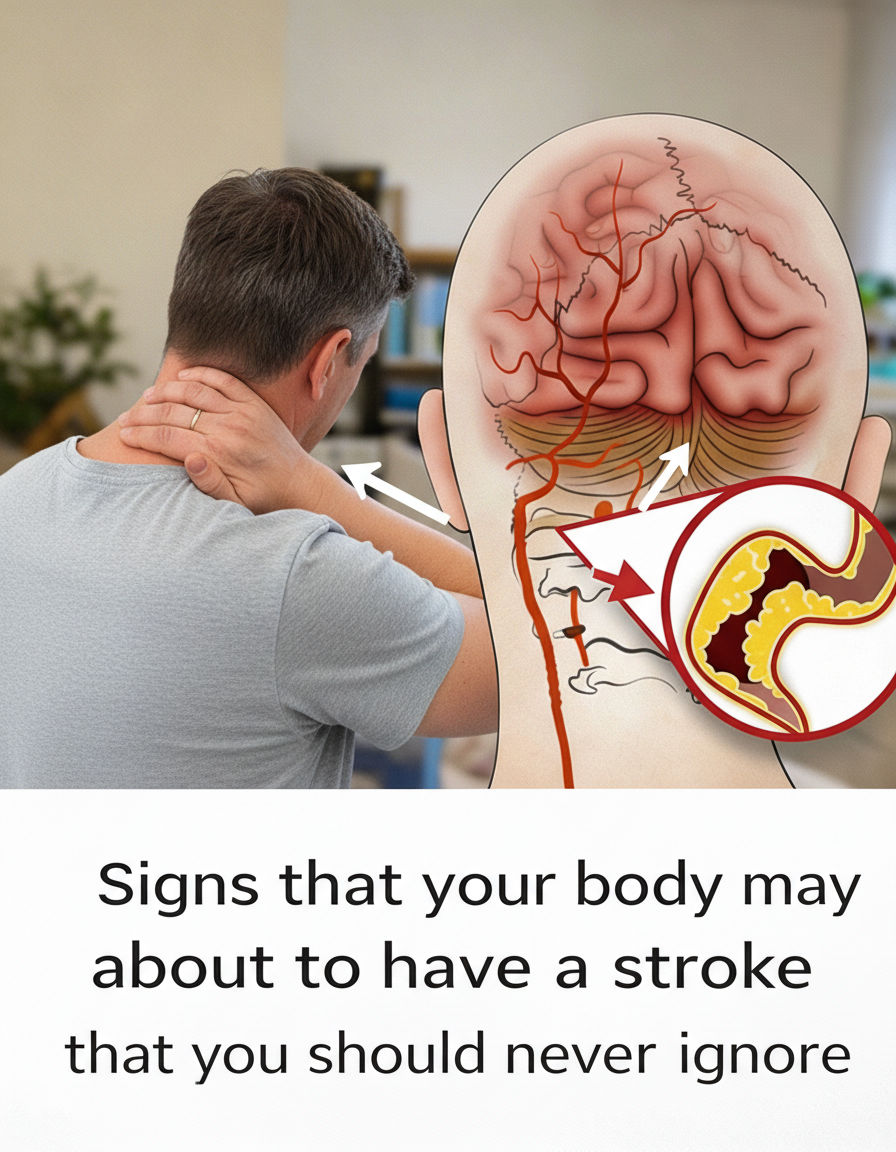
A stroke transpires when the brain’s essential blood supply is disrupted. This typically happens in one of two ways: either a blood clot obstructs a blood vessel (known as an ischemic stroke, the most prevalent form), or a blood vessel within the brain ruptures (a <a href=”https://www