 By admin
 Many women in their late 30s or early 40s begin to notice subtle yet perplexing changes within their bodies. These might include unpredictable menstrual cycles, sudden episodes of intense heat, or a pervasive sense of exhaustion, often dismissed as mere stress or a natural part of aging. Such shifts can be disorienting and isolating, significantly impacting daily routines, sleep quality, and personal relationships.
Early menopause, also known as premature ovarian insufficiency when it occurs before age 40, affects approximately 5% of women under 45 and around 1% before 40. Its onset is often unexpected, and the abrupt nature of hormonal changes can lead to more pronounced symptoms. The encouraging news is that identifying these indicators early on provides a pathway to more effective management and comprehensive support. This detailed guide will explore the most prevalent signs of early menopause, drawing insights from respected health institutions like the Cleveland Clinic and Mayo Clinic, alongside actionable strategies to help you regain a sense of control. Make sure to read to the end for a simple, yet remarkably effective, tracking technique that many women find invaluable.
Why Early Menopause Presents Unique Challenges
Experiencing perimenopause or full menopause significantly earlier than the average age of 51 means a prolonged period of exposure to diminished estrogen levels. Estrogen is a vital hormone, playing a critical protective role in maintaining bone density, supporting cardiovascular health, and regulating mood. Research indicates that women undergoing early menopause may face an elevated risk for long-term health conditions such as osteoporosis and various cardiovascular issues.
Despite these potential implications, many women often endure these changes, mistakenly believing them to be an inevitable part of growing older. In reality, these symptoms are often direct consequences of the same underlying hormonal fluctuations. Addressing them proactively can profoundly enhance your overall quality of life and mitigate future health risks.
The 10 Most Common Indicators of Early Menopause
Healthcare professionals and extensive research frequently highlight the following key signs. If several of these resonate with your experiences, it is highly advisable to consult with your doctor for further evaluation and guidance.
-
Irregular Periods – Often the Initial Warning
Your menstrual cycle may become highly unpredictable. This could manifest as cycles that are shorter, longer, unusually heavy, surprisingly light, or include unexpected spotting between periods. Many women observe these changes years before their final menstrual period. Leading women’s health organizations confirm that alterations in menstrual patterns are among the earliest signals of perimenopause or early menopause.
-
Hot Flashes and Night Sweats
These involve a sudden, intense sensation of heat, typically originating in the chest and spreading rapidly to the face and neck, frequently followed by profuse sweating. These vasomotor symptoms impact up to 80% of women during menopause and can be particularly disruptive when they commence at an earlier age. Night sweats, in particular, often interrupt sleep, leading to feelings of exhaustion and depleted energy the following day.
-
Vaginal Dryness and Discomfort
A reduction in estrogen can lead to the thinning and decreased elasticity of vaginal tissues, resulting in dryness, irritation, or discomfort, especially during sexual intimacy. While prevalent, this symptom is frequently under-discussed. Many women discover significant relief through the use of simple moisturizers or specific lifestyle modifications – discuss available options with your healthcare provider.
-
Mood Changes, Including Irritability or Anxiety
Fluctuating hormone levels can significantly contribute to mood swings, heightened anxiety, or persistent feelings of sadness. Estrogen plays a crucial role in brain chemistry, meaning these shifts are often more profound than “just stress” for many individuals. If these emotional changes persist, seeking professional support can be highly beneficial.
-
Sleep Disturbances
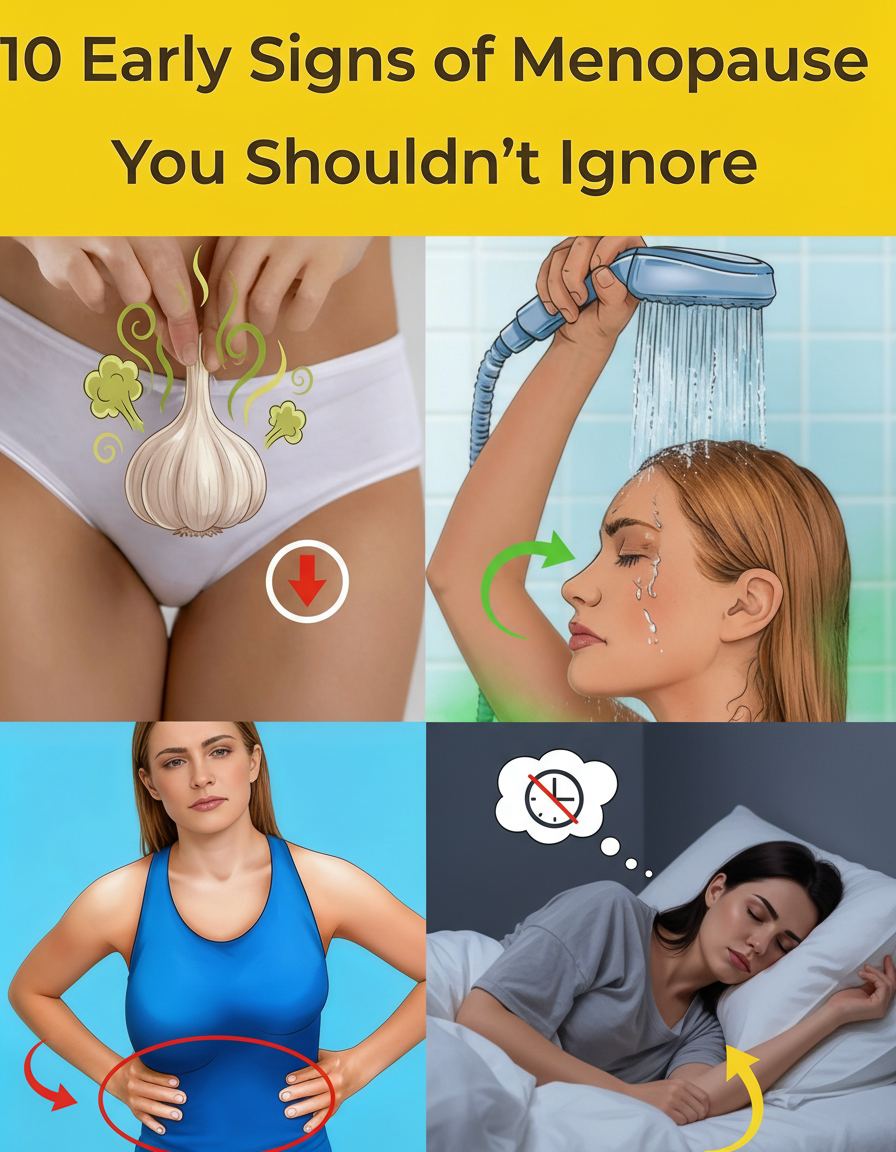
This includes difficulty initiating sleep, maintaining sleep throughout the night, or frequent awakenings – often exacerbated by night sweats. Poor sleep then creates a frustrating cycle, intensifying fatigue and exacerbating mood issues.
-
Persistent Fatigue and Low Energy
Feeling utterly drained, even after adequate rest, is a common experience, as hormonal shifts can impact metabolic rate and the overall quality of sleep. Women frequently describe this as a deep-seated, unrelenting tiredness.
-
Brain Fog and Memory Challenges
Experiencing difficulty concentrating, forgetting minor details, or feeling mentally sluggish – often colloquially termed “menopause brain.” Research underscores the connection between these cognitive shifts and estrogen’s vital role in supporting brain function.
-
Unexplained Weight Gain, Particularly Around the Midsection
Hormonal changes can lead to a slower metabolism and a tendency for fat storage to shift towards the abdominal area, even without significant alterations in diet or physical activity levels.
-
Joint and Muscle Aches
Increased stiffness or discomfort in various joints and muscles can occur, sometimes mimicking early symptoms of arthritis. Lower estrogen levels are known to influence inflammation and the overall health of connective tissues.
-
Reduced Libido or Altered Sexual Interest
A combination of physical discomfort, chronic fatigue, and the direct effects of hormonal changes can diminish sexual desire or make intimacy less enjoyable.
However, these are not the only indicators. Several other signs frequently accompany those listed above.
Additional Signs Worth Noting
Less commonly discussed, yet still relevant, indicators of early menopause or perimenopause include:
- Frequent headaches or migraines
- Heart palpitations
- Dry skin, eyes, or mouth
- More frequent urinary tract infections (UTIs)
- Thinning hair
Tracking these symptoms over several weeks can provide valuable insights for discussions with your healthcare provider.
”
}
“`