 By admin
 Discovering an unexpected bump on your child’s eyelid can be an alarming experience for any parent. The sudden appearance of a prominent lump, especially if it seems red, swollen, or tender, naturally triggers immediate concern. It’s completely normal to feel worried when something affects your little one’s delicate eyes, which are so crucial for their daily interactions and learning. However, here’s a reassuring thought: many such pediatric eyelid lumps are common, benign conditions that respond well to simple care strategies. By understanding these conditions, you can often alleviate your anxieties right away. Continue reading, as we’ll also reveal a crucial, yet often overlooked, preventative tip that could help minimize future occurrences.
Common Causes of Eyelid Lumps in Children
Eyelid bumps are a frequent occurrence in children, and familiarizing yourself with the typical culprits can help you remain calm and take appropriate action. Insights from leading ophthalmological organizations, such as the American Academy of Ophthalmology, indicate that the majority of these cases stem from minor issues involving glands or hair follicles, often linked to common bacteria or blockages. Let’s explore these in more detail.
Understanding Styes (Hordeolum): A Frequent Culprit
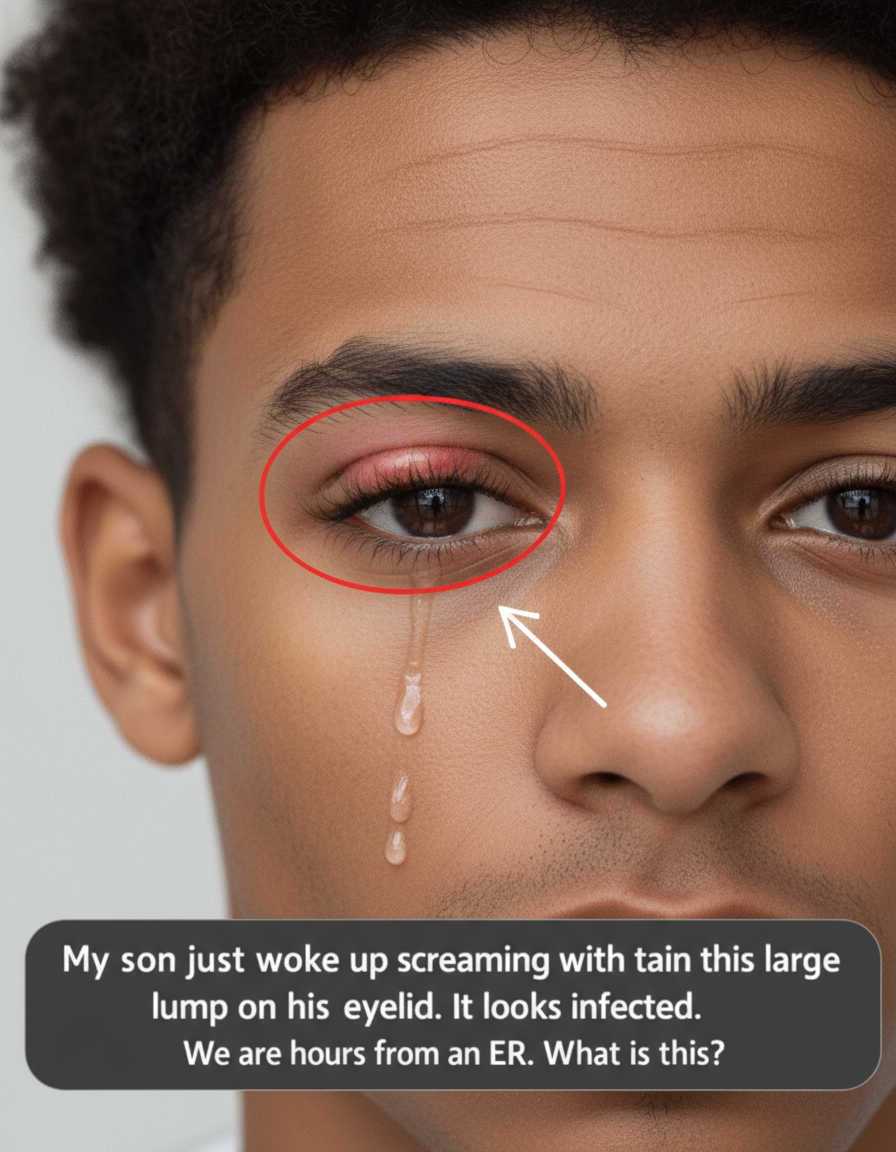
A stye, medically known as a hordeolum, typically presents as a red, sensitive, and often painful bump located near the eyelash line. This common pediatric eye condition is usually caused by bacteria, most often Staphylococcus, infecting a hair follicle or an oil gland at the base of an eyelash. Children, often rubbing their eyes after playing or touching surfaces, can inadvertently transfer germs, leading to this inflammation. Symptoms commonly include localized swelling, redness, and a small, sometimes pus-filled, spot resembling a pimple. According to studies published in pediatric journals, styes generally reach their peak discomfort within one to two days before gradually starting to improve.
Chalazia: The Slower-Developing Eyelid Bump
In contrast to a stye, a chalazion develops when an oil-producing meibomian gland, located deeper within the eyelid, becomes blocked. It might initially appear as a small, barely noticeable bump but can gradually grow larger over weeks, forming a firm, rounded nodule. Pain is typically not a primary symptom, although it can cause irritation or blurred vision if it becomes large enough to press on the eyeball. Eye health experts, including findings from the National Eye Institute, note that chalazia are more prevalent in children with naturally oily skin or those prone to certain allergies. While many chalazia resolve on their own with time, their persistence for several weeks or months is not uncommon.
Less Common Eyelid Conditions to Be Aware Of
While styes and chalazia account for most eyelid lumps, some situations might indicate other concerns, such as cysts or more significant infections. For instance, periorbital cellulitis involves a broader, more widespread swelling of the eyelid and surrounding tissue due to a bacterial infection, which can potentially spread if not promptly treated. Key indicators include extensive redness, warmth to the touch, and often fever. Rarer still, allergic reactions or insect bites can sometimes mimic the appearance of an eyelid lump. A report in the Journal of Pediatrics emphasizes that although these occurrences are infrequent, they warrant consideration if your child’s symptoms do not align with the typical patterns of a stye or chalazion.
How to Differentiate Between Eyelid Lump Types
Being able to distinguish between different types of eyelid lumps can help guide your initial response. Below is a straightforward comparison to assist your observations at home:
| Feature | Stye (Hordeolum) | Chalazion |
|---|---|---|
| Pain Level | Often painful and tender | Usually painless |
| Location | Near the edge of the eyelid, at the lash line | Deeper within the eyelid tissue |
| Onset Speed | Sudden and rapid development | Gradual growth over time |
| Infection Signs | Redness, inflammation, often a visible pus point | Firm, non-red lump, typically no pus |
This comparative table is adapted from guidelines provided by eye health specialists, offering a practical tool for home assessment. However, it’s crucial to remember the limitations of self-diagnosis; professional medical advice remains essential for an accurate diagnosis and appropriate treatment plan. Many parents initially mistake a chalazion for a stye due to their similar appearance. Understanding these subtle distinctions can prevent delays in seeking the most effective relief.
Effective Home Management Strategies for Eyelid Lumps
The good news is that a significant number of pediatric eyelid lumps improve considerably with basic at-home care. These gentle approaches are designed to support the body’s natural healing process, as recommended by reputable health organizations like the Mayo Clinic.
Step-by-Step Warm Compress Application
The application of a warm compress is a widely recommended and proven method to encourage drainage and promote healing:
- Begin by soaking a clean, soft cloth in warm (not hot) water, then thoroughly wring out any excess liquid.
- Gently place the warm cloth over your child’s closed eyelid for 10-15 minutes.
- Repeat this process 3-5 times daily, ideally after meals or during quiet playtimes.
- Continuously monitor your child’s comfort level; if they fidget, try making it a calm activity by reading a story or singing a song.
Studies consistently demonstrate that this targeted heat application is highly effective in helping to unclog blocked glands and reduce inflammation.
Maintaining Gentle Eyelid Hygiene
Good hygiene practices play a vital role in both treating existing lumps and preventing new ones:
- Use a mild, tear-free baby shampoo diluted in warm water to gently clean the affected area twice a day.
- After washing, softly pat the eyelid dry with a fresh, clean towel.
- Strongly discourage your child from rubbing or touching their eyes, as this can worsen the condition or spread bacteria.
- Resist any temptation to squeeze or pop the lump; health authorities like the Centers for Disease Control and Prevention (CDC) caution that this can spread infection and cause further complications.
Moreover, integrating these simple habits early on instills lifelong eye care skills in children, potentially preventing future occurrences and promoting overall eye health.
When to Seek Professional Medical Attention
While many eyelid lumps resolve with home care, certain signs indicate that it’s time to consult a healthcare professional. Do not hesitate to contact your pediatrician or an eye specialist if you observe any of the following:
- The lump rapidly enlarges or appears to be getting worse despite home treatment.
- Your child experiences blurred vision or changes in their eyesight.
- There is widespread redness, swelling, or warmth extending beyond the eyelid.
- Your child develops a fever.
- The lump is extremely painful or interferes with your child’s daily activities.
- The lump persists for more than a week or two without showing signs of improvement.
- The lump recurs frequently.
Early professional assessment ensures an accurate diagnosis and appropriate management, especially if the condition is more serious than a typical stye or chalazion. Your child’s eye health is paramount, and when in doubt, seeking expert advice is always the best course of action.