 By admin
 Beyond the Spice Rack: Essential Health Considerations for Clove Consumption
Cloves are a beloved spice, cherished globally for their distinctive warm aroma and sweet-spicy flavor, enhancing everything from culinary dishes to comforting teas. Yet, for some individuals, this common kitchen staple can contribute to unexpected discomfort or interact adversely with specific health conditions. As we age, particularly beyond 50, our bodies often become more susceptible to the effects of everyday ingredients, potentially leading to reactions that disrupt daily life. It can be particularly vexing when a seemingly innocuous spice appears to exacerbate issues like digestive upset or other sensitivities, diminishing the enjoyment of routine activities. However, by understanding these potential interactions, you can make informed decisions about your dietary choices. Stay with us to uncover crucial insights that could significantly impact your well-being.
The Potent Nature of Cloves: When “Natural” Requires Caution
For centuries, cloves have been valued across diverse cultures for their unique taste and a spectrum of traditional uses. However, their primary active compound, eugenol, possesses powerful biological properties that can have profound effects on the body. Scientific research indicates that eugenol can influence processes like digestion and blood circulation, which may not always be beneficial for everyone. For those over 50, who frequently navigate evolving health landscapes and potential medication use, it becomes especially important to assess how spices like cloves integrate into their daily regimen.
Furthermore, reaching the age of 50 often brings physiological changes in how the body metabolizes foods and supplements. Studies show that a substantial number of older adults incorporate various herbal elements into their diets, often under the assumption that they are inherently benign. Nevertheless, when a potent spice like cloves interacts with pre-existing health conditions or medications, the effects can be notably pronounced. While cloves are generally deemed safe when consumed in typical culinary quantities, specific health profiles undoubtedly warrant heightened vigilance. Let’s delve into critical scenarios where awareness can make a substantial difference to your health.
Active Stomach Ulcers or Severe Gastritis: A Direct Irritant
If you’re grappling with persistent stomach discomfort, spices known to stimulate acid production are generally best avoided. Evidence suggests that the eugenol present in cloves may elevate gastric secretions, potentially irritating an already compromised stomach lining. Consider the case of Elena, a 55-year-old who regularly enjoyed clove-infused tea as part of her evening wind-down routine. She soon began experiencing intensified burning sensations that frequently interrupted her sleep. Following her doctor’s advice to temporarily cease clove consumption, she reported a significant improvement in comfort within a few weeks. What’s the scientific rationale? Research published in various medical journals indicates that compounds like eugenol can impede the healing process in already vulnerable stomach areas by intensifying inflammation and irritation. For individuals with high gastric sensitivity, exploring gentler alternatives such as fresh ginger might be a more prudent choice. On a scale of 1-10, if your stomach sensitivity is above a 5, this information is particularly relevant to you.
Chronic Acid Reflux (GERD): Fueling the Fire
Chronic acid reflux, or Gastroesophageal Reflux Disease (GERD), affects a significant portion of the population. Introducing elements that boost gastric acid can predictably intensify its symptoms. Eugenol’s stimulatory properties may contribute to this by increasing acid production, which can further aggravate the delicate esophageal lining. Take Robert, a 60-year-old retiree, who incorporated cloves into his meals believing they aided digestion. Instead, his nighttime heartburn became considerably worse. Only after reducing his clove intake did he notice a marked decrease in the frequency and severity of his discomfort. The underlying mechanism here is multifaceted: this spice may either directly increase acid secretion or potentially relax the lower esophageal sphincter, leading to more frequent regurgitation in susceptible individuals. Medical literature consistently highlights how such dietary interactions can escalate irritation over time. Pause for a moment and consider the frequency of your reflux episodes on a scale of 1-10. If they are frequent or severe, continuing to read is highly recommended for further insights.
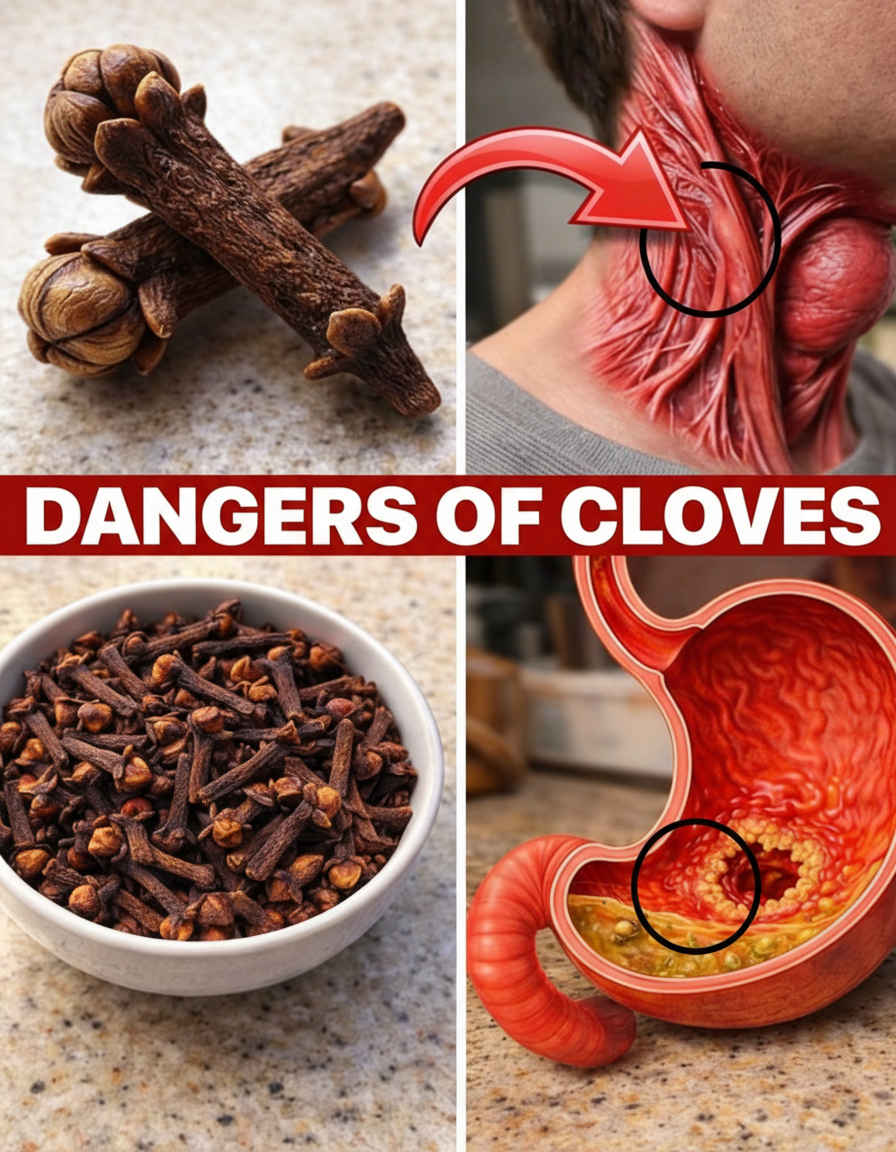
Blood Thinners & Cloves: A Potentially Dangerous Combination
For individuals taking anticoagulant or antiplatelet medications, such as warfarin or aspirin, combining them with substances that also possess anti-clotting properties demands extreme caution. Eugenol is recognized in pharmacological research for its potential to enhance blood-thinning effects. This can subtly, yet significantly, alter the body’s coagulation process, even with culinary amounts of cloves. If you notice easy bruising, assess your tendency on a scale of 1-5 — a higher score might signal a need for closer examination. You’re past the halfway mark – commendably thorough! Here’s a crucial reminder: Always monitor any changes if you are on such medications and, most importantly, discuss your dietary habits with your healthcare provider. This proactive step is vital for your safety.
Pre-Surgical Considerations: A Critical Warning
Beyond daily medication interactions, cloves can pose a significant risk before surgical procedures. Due to eugenol’s blood-thinning properties, consuming cloves, even in moderate amounts, can delay blood clotting. This effect is extremely critical in a surgical context, where proper coagulation is essential to prevent excessive bleeding during and after an operation. It is strongly advised to discontinue clove consumption for at least two weeks prior to any scheduled surgery to minimize this risk. Always inform your surgical team and anesthesiologist about all spices, supplements, and medications you are taking.
To help visualize these risks, here’s a quick summary:
| Health Condition | Cloves’ Potential Effect | Risk Level |
|---|---|---|
| On Blood Thinners | Potentiates anti-clotting effects, increasing bleeding risk | High |
| Active Ulcers/Severe Gastritis | Elevates gastric acid, intensifies irritation and hinders healing | High |
| Chronic Acid Reflux (GERD) | Increases acid production and may relax esophageal sphincter | High |
| Pre-Surgery | Delays blood coagulation, increasing operative bleeding risk | Critical |
This information is eye-opening, isn’t it? Understanding these specific interactions empowers you to make healthier, safer choices. Always prioritize discussing any dietary concerns or unusual symptoms with a qualified healthcare professional, especially when managing existing health conditions or taking medications. Your health is paramount, and informed decisions are your best defense.