 By admin
 Why You Might Wake Up to Urinate at Night: Understanding Nocturia and Practical Solutions
Waking up repeatedly throughout the night to use the restroom, a condition often referred to as nocturia, can significantly fragment your sleep cycle and leave you feeling exhausted the following day. This common experience frequently stems from everyday physiological factors, such as fluid accumulation in the legs or specific circulatory patterns. Gaining a deeper understanding of these mechanisms can empower you to explore effective strategies for potentially improving your nighttime rest.
There’s a fascinating interplay between your lower limbs and hormonal regulation that might surprise you. Continue reading to discover how straightforward evening routines can make a substantial difference in reducing those disruptive nighttime awakenings.
The Role of Fluid Redistribution in Nighttime Awakenings
During your waking hours, the constant force of gravity naturally causes fluids to gather in your lower body, particularly within your legs and feet. This process is akin to how water settles at the base of any container. However, when you recline for sleep at night, these pooled fluids begin to redistribute throughout your body. They re-enter the bloodstream and are eventually filtered by the kidneys.
Research, including insights from institutions like the National Institutes of Health, indicates that this nocturnal fluid shift can significantly increase urine production overnight, leading to a greater urge for frequent bathroom visits. Furthermore, if you spend a considerable portion of your day sitting or standing with minimal movement, this fluid buildup can become even more pronounced. The encouraging news is that proactively addressing this accumulation before bedtime can be instrumental in managing those unwelcome interruptions.
How Your Calf Muscles Influence Fluid Circulation
Your calf muscles function as a crucial biological pump, actively assisting in the upward movement of blood and interstitial fluids back towards your heart, directly opposing gravity. With every step and movement, these muscles contract, facilitating efficient circulation. Conversely, a largely sedentary day can result in fluids remaining stagnant and pooled in your lower legs.
Physiological studies published in various journals highlight that engaging these muscles can notably enhance fluid movement. Here’s a key takeaway: incorporating light, targeted exercises before you retire for the night could actively encourage this essential redistribution process. For instance, simple ankle pumps or gentle heel raises can help shift fluids while you’re still awake and active.
Effortless Exercises to Incorporate Before Bed
- Ankle Pumps: While sitting or lying down, rhythmically flex your feet up and down, mimicking the action of pressing a pedal. Aim for 30-60 repetitions.
- Heel Raises: From a standing position, slowly lift your heels off the ground, then gently lower them. Repeat this motion for approximately one minute.
- Leg Pedaling: Lie comfortably on your back and perform a bicycling motion with your legs for about 30 seconds.
These movements are remarkably simple to execute and can be completed in just a few minutes, offering a quick and effective way to prepare your body for sleep.
Hormones and Their Impact on Nighttime Urine Production
Hormones play a pivotal role in regulating your body’s urine output, especially during the nocturnal hours. One such key hormone, the antidiuretic hormone (ADH), typically sees an increase in production during the evening. Its primary function is to reduce urine output, thereby promoting uninterrupted sleep. However, if there’s a sudden and substantial influx of fluid returning from the legs into the bloodstream, it can potentially overwhelm this delicate hormonal system.
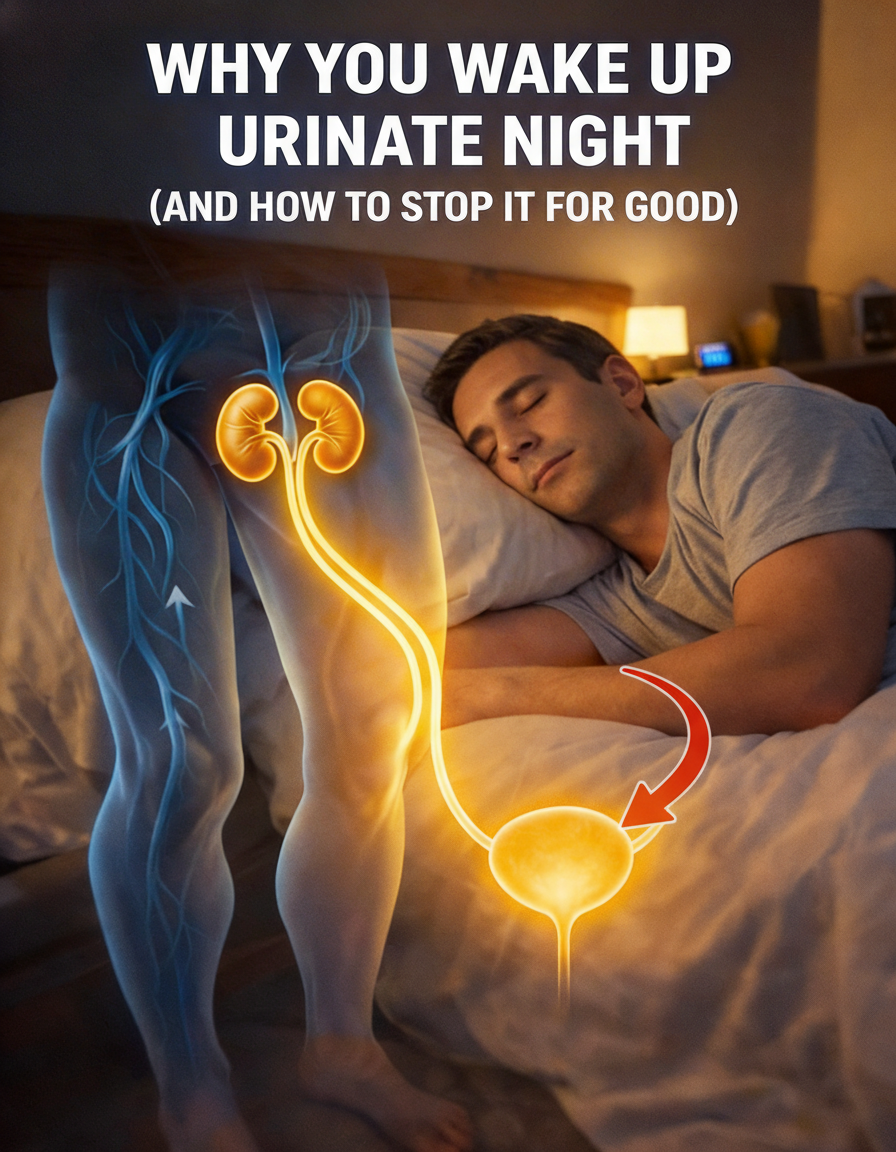
According to general medical insights from reputable sources like the Mayo Clinic, factors such as age and daily lifestyle habits can significantly influence this hormonal balance. The reality is, by effectively managing fluid distribution earlier in the day and evening, you provide your body’s natural regulatory rhythms a much better chance to function optimally and smoothly throughout the night.
A Simple Evening Routine to Support Better Sleep
Establishing a consistent pre-bed routine can be highly effective in mitigating potential fluid buildup. Begin by elevating your legs for a brief period, allowing gravity to naturally assist in fluid drainage. Combine this with gentle movements to further enhance your circulation.
Step-by-Step Evening Leg Routine for Improved Sleep
- Elevate Your Legs: Lie down comfortably and prop your legs up on a pillow or against a wall for 3-5 minutes. This encourages fluid return.
- Ankle Circles: While your legs are elevated, gently rotate your ankles both clockwise and counterclockwise to stimulate circulation.
- Gentle Kicks: Perform soft, scissor-like motions with your legs for approximately 30 seconds.
- Calf Activations: Stand up and perform heel raises for another minute, actively engaging your calf muscles.
This comprehensive yet brief routine takes approximately 10 minutes and is designed to leverage your body’s natural mechanics for better fluid management.
Hydration Habits That Truly Matter
The type and timing of your fluid intake can profoundly influence how often you wake up to urinate at night. Consuming large quantities of fluids close to bedtime, particularly beverages containing caffeine or alcohol, can significantly increase urine production due to their inherent diuretic effects. Instead, aim to maintain consistent hydration throughout the day and gradually reduce your fluid intake as the evening progresses.
Leading health organizations, such as the American Academy of Sleep Medicine, emphasize that strategically timing your fluid consumption can play a crucial role in supporting healthier sleep patterns. Furthermore, if you take supplements like magnesium, consider taking the majority of your dose earlier in the day, as higher doses taken late in the evening might inadvertently affect fluid balance.
The Benefits of Compression Wear
For individuals who frequently experience noticeable leg swelling or edema during the day, compression socks or stockings can offer a highly effective solution. These garments provide gentle yet consistent pressure, which actively helps to prevent fluid accumulation in the lower extremities. They are widely recommended and commonly utilized by people who spend extended periods either standing or sitting, offering a practical way to manage fluid retention and reduce the likelihood of nighttime fluid shifts. General wellness articles, including those from Harvard Health, often highlight their utility in promoting better circulatory health.