 By admin
 If you’ve ever felt a pang of self-consciousness due to darkened underarm skin, know that you are far from alone. This common dermatological concern, scientifically known as axillary hyperpigmentation, affects a significant portion of the population. Indeed, studies reveal that up to 74% of individuals with specific risk factors, such as obesity or insulin resistance, experience skin darkening in body folds like the armpits. For millions, these dark patches can erode confidence, making them hesitant to wear sleeveless clothing, enjoy swimwear, or even freely raise their arms in public.
Envision a future where you can confidently embrace every moment, knowing your underarm skin is beautifully even-toned and radiant. Picture yourself enjoying summer days without the need to conceal your armpits, free from embarrassment. Attaining smoother, brighter skin in this delicate area might be more accessible than you imagine, thanks to a combination of effective home remedies and mindful lifestyle adjustments.
Are you ready to transform your self-perception and reclaim the freedom of sleeveless fashion? What if the path to brighter underarms is simpler and more natural than you’ve been led to believe? Join us as we explore 12 practical, research-backed strategies designed to help you effectively lighten dark underarms. Prepare to be enlightened by the science, actionable tips, and real-world solutions that await.
Why Underarms Darken — Understanding the Root Causes and Frustration
The development of dark underarms, medically termed axillary hyperpigmentation, primarily stems from an overproduction of melanin, the pigment responsible for skin color. This surge in melanin can be provoked by various factors, including persistent irritation, consistent friction, or certain underlying health conditions. For many individuals, particularly as they transition into their 30s and 40s, a confluence of lifestyle and physiological changes can exacerbate this issue. Factors such as tight-fitting apparel causing chafing, irritation from regular shaving, adverse reactions to certain deodorants, and shifts in hormonal balance or body weight can all contribute significantly to the darkening of armpit skin.
The experience can be profoundly frustrating, especially when diligent efforts toward maintaining “healthy” habits yield no improvement, or worse, lead to increased skin sensitivity. This feeling is widely shared; hyperpigmentation is a prevalent concern, notably among individuals with naturally darker skin tones, whose melanin-producing cells (melanocytes) react more intensely to inflammation.
Crucially, the implications of darkened underarms extend beyond mere aesthetics. Unaddressed root causes, such as chronic friction or allergic reactions, can lead to persistent discomfort, recurrent rashes, and may even serve as early warning signs for more serious systemic health issues, including insulin resistance. Many have explored a range of commercial skin-lightening creams or simply hoped the issue would resolve itself. Yet, a common pitfall of these approaches is their failure to tackle the fundamental triggers, such as an imbalanced skin pH or the accumulation of dead skin cells.
The encouraging news is that achieving perceptibly brighter, smoother underarm skin is entirely possible. By adopting a gentle, targeted strategy that addresses these underlying issues, you can avoid harsh chemical treatments and embrace more sustainable results. Let’s delve deeper into the specific triggers.
Common Triggers: Friction, Shaving, and Product Irritation
Have you observed your underarms becoming darker after introducing a new deodorant or consistently wearing snug workout attire? This isn’t a coincidence. Mechanical friction, whether from tight garments rubbing against the skin or the repetitive action of shaving, can induce microscopic irritation. This micro-trauma often triggers the skin’s defense mechanism, leading to an increased production of melanin, a phenomenon known as post-inflammatory hyperpigmentation (PIH).
Moreover, the chemical composition of many personal care products can contribute significantly. Deodorants and antiperspirants containing alcohol, harsh fragrances, or certain aluminum compounds are frequent offenders. These ingredients can provoke allergic contact dermatitis, lead to chemical burns, or create a residue buildup that traps dead skin cells, intensifying skin discoloration. The naturally moist environment of the underarms further compounds this issue, fostering an ideal setting for dead skin cells to accumulate, which in turn makes the skin appear duller and darker.
A Quick Self-Assessment: Consider how frequently you shave your underarms or use scented personal care products in that area. If your answer leans towards “often,” these habits are highly likely contributing to your underarm darkening. However, it’s important to recognize that external factors are only part of the story. Internal health conditions also play a crucial role. Let’s explore these deeper connections.
Health Links: Insulin Resistance, Hormones, and Acanthosis Nigricans
Beyond external irritants, the appearance of darkened skin patches in body folds, particularly in the underarms, can occasionally serve as an important indicator of underlying systemic health concerns. Conditions such as insulin resistance, obesity, and type 2 diabetes are frequently associated with a distinct dermatological condition known as Acanthosis Nigricans. This condition manifests as thickened, velvety, and hyperpigmented skin, most commonly observed in areas like the armpits, neck, and groin.
Furthermore, hormonal imbalances—often linked with conditions like Polycystic Ovary Syndrome (PCOS) or thyroid dysfunction—and significant weight gain (obesity) can indirectly contribute to skin darkening. Obesity, for instance, not only increases skin-on-skin friction in folds but also promotes systemic inflammation, both of which can stimulate melanin production.
It’s common for individuals to view darkened underarms solely as a cosmetic problem. However, recognizing and addressing these deeper health roots, such as optimizing blood sugar regulation or managing hormonal health, can often lead to a noticeable improvement in skin tone and overall well-being. If you suspect an underlying health condition, consulting a healthcare professional is highly recommended.
12 Practical, Evidence-Backed Strategies to Lighten Dark Underarms
Now that we’ve explored the common causes behind darkened armpits, let’s pivot to solutions. Here, we present 12 actionable strategies, blending effective natural remedies with carefully selected commercial products, all aimed at helping you safely and effectively brighten your underarm skin.
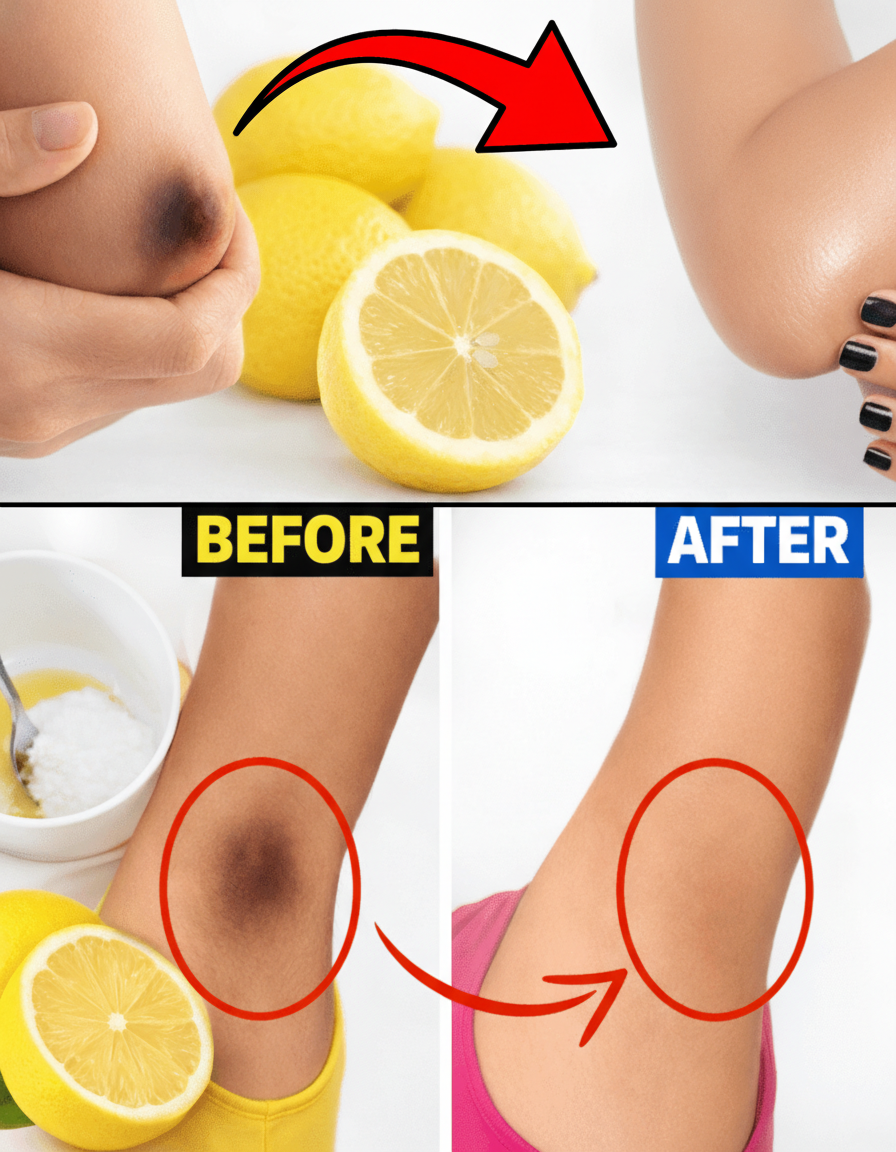
1. Gentle Exfoliation with Baking Soda Paste
If your underarm skin feels rough, uneven, or appears dull, introducing gentle exfoliation can be highly beneficial. Baking soda (sodium bicarbonate) offers a mild abrasive quality that can effectively slough off accumulated dead skin cells, revealing a smoother, brighter complexion underneath. This process helps to reduce the appearance of discoloration and improves skin texture.
How to Use: Combine 1 to 2 tablespoons of baking soda with a small amount of water or a mild hydrating agent (like aloe vera gel or rose water) to form a thick paste. Gently apply this paste to your damp underarms, massaging in small, circular motions for about 30 seconds. Rinse thoroughly with lukewarm water. For best results, use 2-3 times a week. Always perform a patch test first to ensure no irritation occurs.