 By admin
 Beyond Discomfort: Unveiling Vitamin B12’s Crucial Role in Supporting Nerve Health and Neuropathy
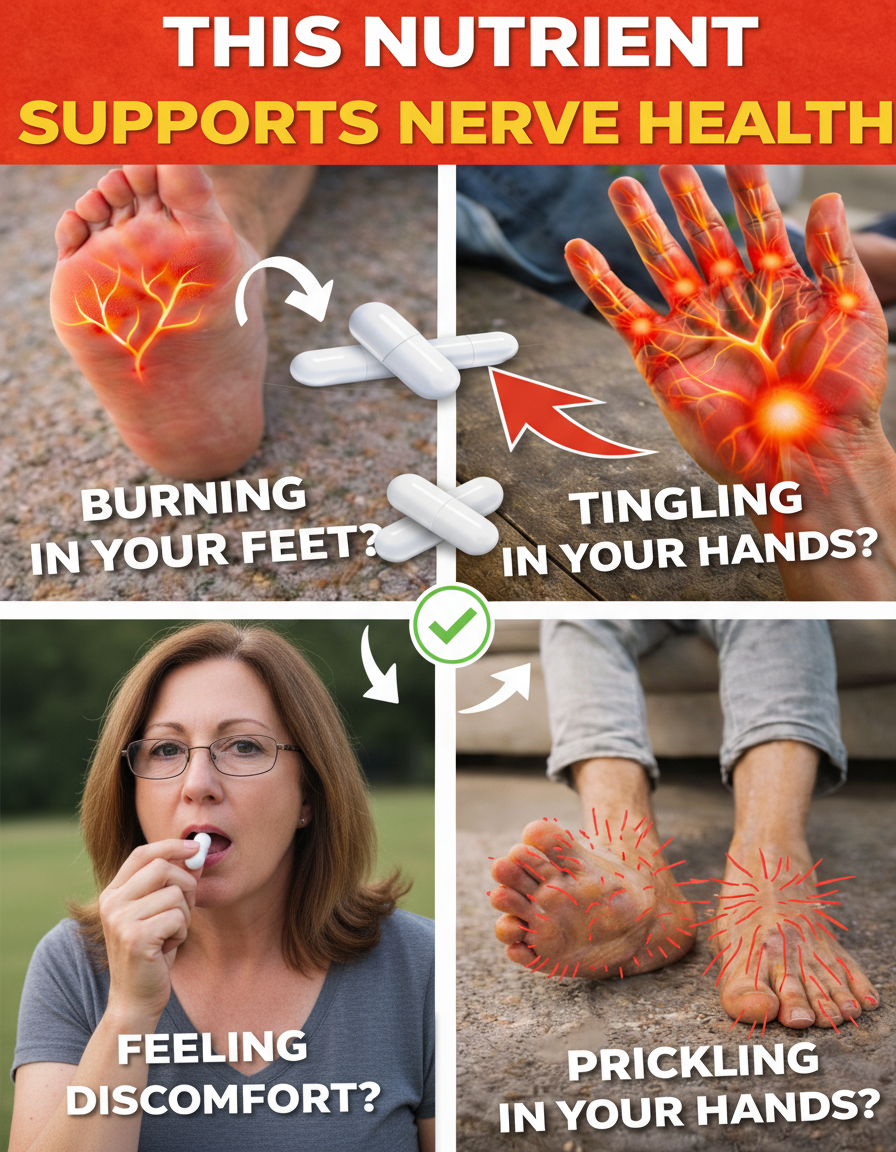
Living with peripheral neuropathy often means navigating a daily landscape of discomfort – persistent burning, tingling, numbness, or muscle weakness, particularly in the hands and feet. These challenging sensations, frequently associated with conditions like diabetes, specific medication use, or nutritional deficiencies, affect millions globally. Such discomforts can profoundly disrupt sleep, impair mobility, and diminish the simple joys of everyday activities, from walking to holding a cup.
The frustration can be overwhelming when symptoms persist despite diligent efforts to manage underlying health issues. However, scientific research consistently highlights one particular nutrient as central to nerve support, especially when its levels are suboptimal. Addressing this specific nutrient deficiency, under professional guidance, holds significant promise for meaningful relief. Stay with us, as we’ll delve into practical, often overlooked strategies that could genuinely enhance daily comfort.
What Exactly Is Peripheral Neuropathy?
Peripheral neuropathy is a condition characterized by damage or irritation to the nerves located outside the brain and spinal cord – collectively known as the peripheral nervous system. Common catalysts for this damage include chronically elevated blood sugar levels in diabetes, certain pharmaceutical treatments like metformin, excessive alcohol consumption, or significant nutritional shortfalls.
Symptoms typically manifest first in the toes and feet, gradually extending upwards. They can encompass sharp, shooting pains, a sensation akin to “pins and needles,” a loss of sensation, or notable muscle weakness. These issues extend beyond mere physical impairment, impacting emotional well-being by fostering anxiety about falls and reducing overall independence. Yet, there’s an encouraging aspect: supporting nerve health through targeted nutrition is an area where scientific evidence shows considerable potential, particularly with one outstanding vitamin.
Why Vitamin B12 Stands Out for Nerve Support
Among the myriad nutrients investigated for their role in nerve health, vitamin B12 (scientifically known as cobalamin) frequently emerges as a pivotal player due to its indispensable functions. Extensive research, including comprehensive reviews and clinical trials, underscores its critical importance in maintaining the integrity of nerve coverings and facilitating efficient nerve signaling.
Vitamin B12 is instrumental in the production and ongoing maintenance of the myelin sheath – the protective, insulating layer that encases nerve fibers. This myelin sheath is vital for the rapid and efficient transmission of electrical signals along nerves. When myelin is compromised or damaged, nerve signals can slow down or misfire, directly contributing to the uncomfortable sensations associated with neuropathy. Studies consistently indicate that in individuals with low B12 levels, targeted supplementation can significantly alleviate symptoms such as tingling and general discomfort.
For instance, meta-analyses of randomized trials have demonstrated tangible improvements in neuropathic symptoms and pain scores, particularly in cases of diabetic neuropathy, when B12 deficiencies are corrected. The reality is, vitamin B12 deficiency is far more prevalent than commonly perceived, especially among adults over 50, individuals managing diabetes, vegans/vegetarians, and those on long-term metformin therapy. Low B12 levels can exacerbate existing nerve issues, but restoring these levels offers a genuine pathway to improved nerve function and enhanced quality of life.
Key Ways Vitamin B12 Supports Nerve Health
Here’s a clear breakdown of how vitamin B12 contributes to robust nerve health, grounded in scientific understanding:
- Myelin Sheath Formation & Protection: Essential for building and maintaining the myelin sheath, ensuring smooth and rapid nerve signal transmission.
- Nerve Cell Energy Production: Supports the metabolic processes within nerve cells, providing the energy they need to function optimally.
- Homocysteine Regulation: May help reduce elevated levels of homocysteine, a compound linked to increased stress on nerves and blood vessels.
- Oxidative Stress Reduction: Aids in mitigating oxidative stress, which can cause significant damage to delicate nerve tissues.
- Axon Maintenance & Regeneration: Promotes the healthy upkeep of axons (nerve fibers) and may support their potential for regeneration.
- Enhanced Nerve Conduction: Contributes to stronger and more efficient overall nerve signal conduction throughout the body.
- Synergistic Benefits: When combined with other B vitamins, it can enhance comfort from mild neuropathic symptoms.
- Improved Daily Function: In many cases, it leads to better daily sensations, improved mobility, and an elevated quality of life.
These multifaceted roles firmly establish vitamin B12 as a nutrient worthy of serious consideration for anyone concerned about nerve health, always in consultation with a healthcare professional.
How Does B12 Compare to Other Nutrients for Nerve Support?
While vitamin B12 is a standout, several other nutrients also play significant roles in maintaining nerve wellness. Here’s a comparative overview based on current available evidence:
| Nutrient | Primary Role in Nerve Health | Strength of Evidence (in context) |
|---|---|---|
| Vitamin B12 | Myelin production, nerve regeneration, signal transmission | Strong, particularly for deficiency-related issues |
| Vitamin B1 (e.g., Benfotiamine) | Antioxidant support, crucial for glucose metabolism in nerves | Good, especially beneficial in diabetic neuropathy |
| Vitamin B6 | Supports neurotransmitter synthesis and nerve signaling | Moderate; caution needed as excessive intake can cause issues |
| Alpha-lipoic acid | Potent antioxidant, supports nerve cell energy | Good evidence, particularly in managing diabetic neuropathy |
| Vitamin D | Involved in nerve growth, immune modulation, and pain regulation | Associated benefits, emerging research |
It’s important to note that combination approaches, often involving a comprehensive B-complex vitamin formulation, frequently yield superior results in supporting nerve comfort compared to relying on single nutrients alone.
Practical Steps to Boost Your Vitamin B12 Levels Safely
Ensuring adequate vitamin B12 intake doesn’t have to be complicated. A strategic approach involves prioritizing dietary sources first, then considering high-quality supplements if needed, always under the guidance of a healthcare provider.
Top Dietary Sources of Vitamin B12
Incorporate these naturally rich options into your diet to enhance your B12 intake:
- Lean Meats: Excellent sources include beef, pork, and poultry.
- Fish and Shellfish: Salmon, tuna, mackerel, and clams are particularly rich in B12.
- Eggs and Dairy Products: Milk, yogurt, and cheese provide a good amount of B12.
- Fortified Foods: Many breakfast cereals, plant-based milks (like almond or soy milk), and nutritional yeast are fortified with B12, making them vital for vegetarians and vegans.
Considering Vitamin B12 Supplements
For individuals with diagnosed B12 deficiency, absorption issues, or dietary restrictions (such as veganism), oral supplements or even injections may be necessary. Common forms include methylcobalamin and cyanocobalamin. It is crucial to consult with a doctor before starting any supplementation, as they can assess your specific needs, recommend the appropriate dosage, and rule out any underlying conditions affecting B12 absorption.
Taking Charge of Your Nerve Health
Understanding vitamin B12’s profound impact on nerve health offers a beacon of hope for those grappling with neuropathy and nerve damage. By optimizing your B12 levels through diet and, if necessary, targeted supplementation, you can actively support your nervous system’s resilience and potentially alleviate discomfort. Remember, consistent communication with your healthcare team is paramount to developing a personalized strategy that effectively addresses your unique nerve health needs. Proactive nutritional support can be a powerful ally in your journey toward greater comfort and improved quality of life.