 By admin
 Nipah Virus: Essential Travel Updates, Symptoms, and Airport Screening Explained
The emergence of a severe virus with no known cure can understandably cause apprehension, especially when familiar COVID-19 style health screenings begin reappearing at airports. Recent reports of confirmed Nipah virus cases in West Bengal, India, leading to the quarantine of approximately 100 individuals, have reignited global vigilance. This uncertainty, coupled with the virus’s high reported fatality rate, naturally heightens concerns for travelers and their families. However, gaining a clear understanding of Nipah virus symptoms, its transmission mechanisms, and the realistic risks involved can transform anxiety into informed preparedness. Moreover, there’s a critical aspect of outbreak containment often overlooked, which we will reveal later.
Why Public Health Authorities Are Closely Monitoring Nipah Virus
The Nipah virus is designated by the World Health Organization (WHO) as a “priority pathogen.” This classification signifies its potential to cause epidemics and its urgent need for focused research. Here’s why global health agencies are paying close attention:
- Reported fatality rates range significantly, between 40% and 75%, influenced by factors such as healthcare access and the speed of outbreak response.
- Currently, there is no approved vaccine or specific antiviral treatment available for Nipah virus.
- The virus can transmit from animals to humans, and in some instances, from person to person.
According to the U.S. Centers for Disease Control and Prevention (CDC), historical Nipah outbreaks have primarily been confined to specific regions of South and Southeast Asia. Nevertheless, the increasing frequency of global travel makes early detection absolutely vital. This is precisely where enhanced airport screenings play a crucial role.
Understanding the Nipah Virus
Nipah virus is a zoonotic virus, meaning it naturally transmits from animals to humans. Fruit bats, commonly known as flying foxes, serve as its natural reservoir. In some documented outbreaks, pigs have also acted as intermediate hosts, facilitating transmission. Infection can occur through:
- Direct contact with infected animals.
- Consuming contaminated food, such as fruit that has been exposed to bat droppings or saliva.
- Close personal contact with individuals already infected with the virus.
Unlike airborne viruses that can spread easily through casual encounters, Nipah transmission typically necessitates close or direct contact. This distinction is paramount for understanding its spread. Yet, here’s the crucial point to remember:
While Nipah outbreaks have been severe locally, there has been no documented evidence of sustained global transmission outside the originally affected regions.
Recognizing Early Symptoms of Nipah Virus Infection
In its initial stages, a Nipah infection can mimic common viral illnesses. This overlap underscores the importance of awareness, without triggering unnecessary alarm. Common early indicators include:
- Fever
- Headache
- Muscle aches
- Vomiting
- Sore throat
- Fatigue
At this point, symptoms might closely resemble those of influenza or other prevalent viral infections. However, in some cases, the illness can progress to more severe stages.
When Symptoms Become Severe
Based on CDC data and historical outbreak reports, more serious complications may emerge, including:
- Persistent cough
- Shortness of breath
- Pneumonia
- Confusion or disorientation
- Seizures
- Altered consciousness
The most dangerous complication associated with Nipah virus is encephalitis, which involves severe swelling of the brain. This can lead to rapid deterioration of health and, in critical cases, result in a coma. However, it’s vital to remember this:
Not every infected individual will experience severe neurological complications. Outcomes can vary significantly, largely depending on timely access to healthcare and early supportive medical care.
Nipah Virus vs. Covid-19: A Clear Comparison
It’s natural for many to draw comparisons between Nipah and Covid-19, given recent global health experiences. Let’s clarify the key differences:
| Feature | Nipah Virus | Covid-19 |
|---|---|---|
| Fatality Rate | 40–75% (varies by outbreak) | ~3.4% global early estimate |
| Vaccine Availability | None approved | Multiple vaccines available |
| Primary Transmission | Close contact, animal exposure | Respiratory droplets/aerosols |
| Global Spread | Regionally limited outbreaks | Global pandemic |
This comparison highlights a critical distinction: Nipah virus exhibits a significantly higher fatality rate, yet historically, its global spread has been considerably lower compared to Covid-19. This fundamental difference dictates how public health authorities formulate their response strategies.
The Rationale Behind Enhanced Airport Health Checks
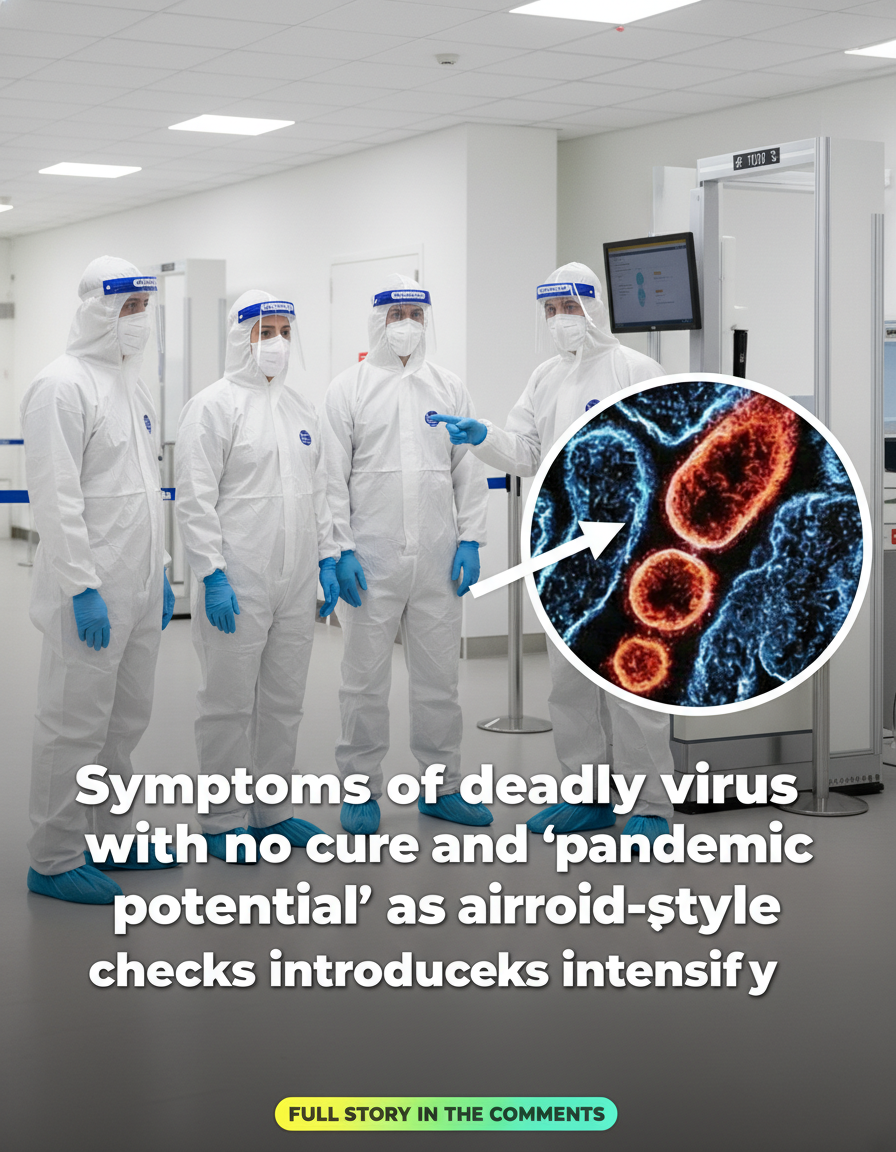
Countries such as Thailand, Nepal, and Taiwan have proactively implemented enhanced airport screening measures for travelers arriving from areas affected by Nipah virus. These checks may encompass:
- Temperature screenings
- Health questionnaires
- Symptom monitoring
- Reviews of recent travel history
These measures are not indicative of global panic; rather, they represent a strategic, preventive approach. Public health experts consistently emphasize that early identification and isolation of cases are the most effective strategies for controlling outbreaks. Research consistently demonstrates that a rapid and coordinated response significantly reduces the risk of wider transmission. And here’s an interesting insight:
Airport screening achieves its maximum effectiveness when complemented by informed travelers who understand potential symptoms and act responsibly.
Incubation Period: Why Vigilant Monitoring is Crucial
Symptoms of Nipah virus infection typically manifest between 4 to 21 days after exposure. This incubation period is critically important for public health monitoring. Understanding this timeframe allows health authorities to implement effective surveillance and contact tracing, ensuring that individuals who may have been exposed can be monitored and, if necessary, isolated before they can transmit the virus further. This proactive approach to managing the incubation period is the crucial, often-overlooked fact that underpins successful outbreak containment and prevents widespread transmission.