 By admin
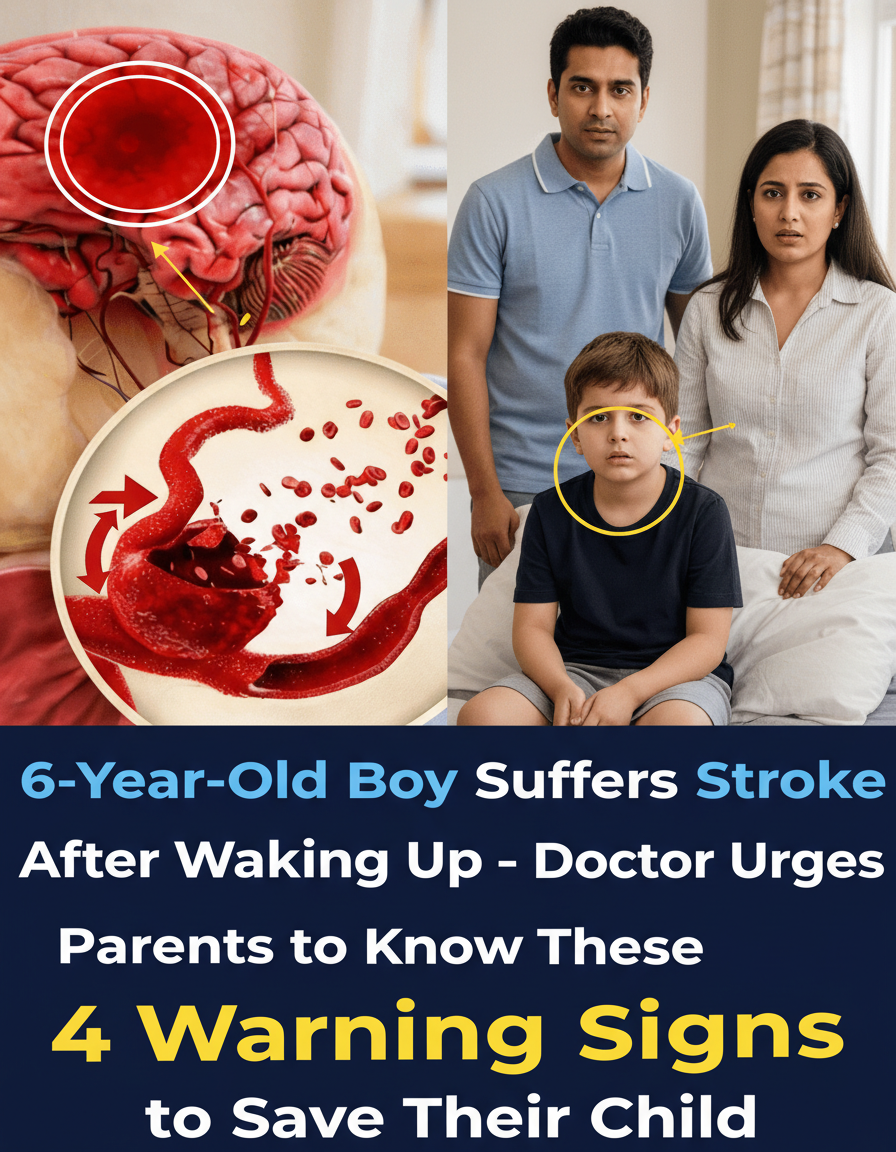
 Envision the profound shock of waking to discover your child struggling with movement on one side of their body or speaking in an unfamiliar, confused manner. While pediatric strokes are uncommon, they are a devastating reality, often striking without warning, sometimes shortly after a child wakes up. This urgent situation tragically unfolded for one family when their 6-year-old son experienced a stroke immediately after getting out of bed, a stark reminder of how rapidly health can change.
Leading medical bodies, including Johns Hopkins Medicine and the American Stroke Association, underscore that prompt recognition of early indicators is paramount for significantly improving outcomes. The critical insight many parents miss is that subtle signs can be overlooked because a stroke is often unimaginable in a child. This article aims to equip you with the essential knowledge to identify these crucial stroke warning signs in children and understand why immediate action is absolutely vital.
Understanding Pediatric Stroke: Why It Can Strike Unexpectedly
A stroke happens when the blood supply to a section of the brain is disrupted, either due to a blockage (ischemic stroke) or bleeding (hemorrhagic stroke). While adult strokes are frequently linked to lifestyle choices, the causes of childhood stroke are distinct. These can range from congenital heart defects, various infections, and blood clotting disorders to, in a significant number of cases (approximately one-third of pediatric instances), unknown origins.
The complexity of pediatric stroke diagnosis is heightened because its symptoms can easily be mistaken for more common childhood ailments, such as severe migraines or ear infections, often leading to critical delays in seeking medical help. Nevertheless, health organizations like the American Heart Association stress that many core stroke warning signs in children parallel those seen in adults, though some additional indicators are unique to younger patients. Encouragingly, awareness is on the rise, and diagnostic aids like the F.A.S.T. acronym – originally designed for adults but now widely adapted for children’s stroke symptoms – are invaluable for families to identify potential issues rapidly. But there’s more to understand – let’s explore the specific indicators every parent should be vigilant about.
4 Critical Warning Signs of Stroke in Children Every Parent Must Know
Leading experts, including those from Cincinnati Children’s Hospital and the American Stroke Association, consistently point to these common indicators in school-aged children. Should you observe any of these symptoms emerging suddenly, do not hesitate – contact emergency medical services immediately. Here are the four pivotal pediatric stroke warning signs:
- Abrupt Weakness or Numbness, Particularly on One Side of the Body: This is frequently among the first and most noticeable stroke symptoms in children. Your child might struggle to raise an arm, exhibit a noticeable droop on one side of their face when attempting to smile, or experience a profound heaviness in one leg. The 6-year-old boy whose story opened this article experienced significant weakness upon waking, which was a crucial factor in seeking urgent medical assessment.
- Challenges with Speech or Comprehension: Observe for signs such as slurred speech, an inability to construct coherent sentences, confusion when attempting to respond, or a sudden difficulty in understanding simple directives. Children might become unusually quiet or display clear frustration when trying to communicate their thoughts.
- Intense Headache, Often Accompanied by Vomiting or Excessive Drowsiness: A sudden, excruciating headache – frequently described as the “worst headache ever” – coupled with nausea, vomiting, or an unusual level of sleepiness, is a more prevalent symptom in pediatric stroke cases compared to adults. Research indicates this particular combination appears frequently and should never be dismissed as merely a typical headache.
- Sudden Impairment in Vision, Balance, or Coordination: This can manifest as blurred or double vision, profound dizziness, an inability to walk in a straight line, or a sudden loss of balance. Your child might stumble unexpectedly, articulate that “things look strange,” or appear remarkably unsteady on their feet.
The F.A.S.T. Action Checklist for Parents
To help you remember these critical signs, here’s an adapted F.A.S.T. checklist, crucial for identifying emergency stroke symptoms:
- F – Face Drooping: Ask your child to smile. Does one side of their face droop or feel numb? Is their smile uneven?
- A – Arm Weakness: Ask them to raise both arms. Does one arm drift downward or feel weak?
- S – Speech Difficulty: Ask them to repeat a simple sentence. Is their speech slurred, strange, or difficult to understand?
- T – Time to Call Emergency: If you notice *any* of these signs, even if they seem to improve, call 911 (or your local emergency number) immediately.
Additional Red Flags to Watch For:
- A sudden, excruciating headache, especially when accompanied by vomiting.
- Abrupt changes in vision (blurred, double vision).
- Sudden dizziness or loss of balance.
- New onset of seizures, particularly if unilateral.
Remember, if even a single one of these symptoms appears, act without delay. Every minute counts in stroke treatment, as prompt medical intervention can significantly reduce long-term damage to the brain. Your quick response can make all the difference.
Why Strokes Can Be Particularly Alarming When They Occur in the Morning
The sudden onset of stroke symptoms after waking can be particularly disorienting for parents. The transition from sleep to wakefulness involves natural shifts in blood pressure and circulatory dynamics. In rare instances, these physiological changes can unfortunately precipitate a stroke in children who may be predisposed. The poignant case of the 6-year-old boy serves as a powerful reminder that childhood strokes do not always adhere to predictable timelines or present with prior warnings during the night. Understanding this unpredictability empowers parents to be vigilant at all times.
While the emotional impact of such an event is immense, knowledge is your most powerful tool. By familiarizing yourself with these critical warning signs of pediatric stroke, you are better prepared to act swiftly and decisively. Early detection and immediate medical care are crucial for optimizing outcomes and safeguarding your child’s brain health. Stay informed, stay vigilant, and never hesitate to seek emergency help if you suspect a stroke.