 By admin
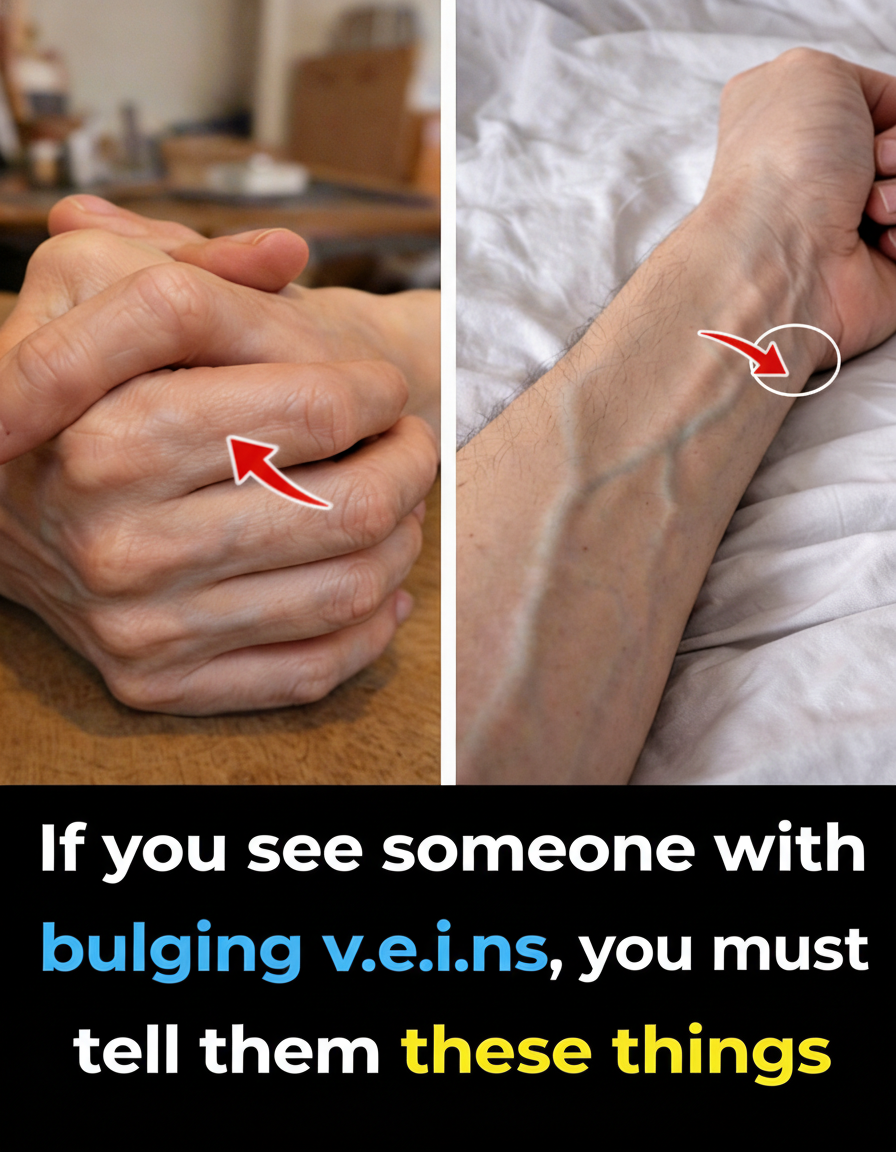
 Prominent veins can often be a source of discomfort, aesthetic concern, and sometimes even pain. You might observe them after prolonged periods of standing, or they could emerge unexpectedly in areas like your legs, neck, or chest, prompting a wave of worry. The associated symptoms, such as swelling or changes in skin color, can make everyday activities feel particularly challenging. However, it’s crucial to understand that in certain instances, these visible, swollen veins may indicate more profound health issues, and recognizing the early warning signs can be exceptionally important. Let’s delve into this topic with clarity and precision.
What Do Bulging Veins Truly Signify?
Not all highly visible veins are a cause for alarm. For many individuals, especially those with an active lifestyle or naturally lean physique, veins can appear more pronounced without any underlying pathology. Nevertheless, when veins become noticeably enlarged, tortuous, painful, or are accompanied by swelling and alterations in the skin, they could be linked to several conditions:
- Chronic Venous Insufficiency (CVI): A condition where the veins in the legs struggle to efficiently return blood to the heart.
- Deep Vein Thrombosis (DVT): The formation of a blood clot within a deep vein, commonly in the leg.
- Superficial vein inflammation: An inflammatory response affecting veins closer to the skin’s surface.
- Circulatory issues related to the heart or lungs: Particularly if the veins are prominently visible in the neck or chest area.
According to extensive vascular health research, untreated venous disorders have the potential to gradually worsen over time if their root causes are not adequately addressed. Furthermore, the specific location of the affected vein is often as significant as its appearance.
Urgent Warning Signs Requiring Immediate Medical Attention
Certain symptoms should never be overlooked. If bulging veins are accompanied by any of the following signs, it is imperative to promptly consult a vascular specialist. Seek an urgent medical evaluation if you experience:
- Skin around a visible vein that is painful, warm, red, or swollen.
- Sudden swelling in one leg, often described as feeling heavy or tight.
- Bleeding directly from a vein.
- Rapid and noticeable changes in skin color, such as a darkening or bluish tint.
- Bulging veins in the neck, especially when coupled with shortness of breath.
- Highly prominent veins in the chest or abdominal region.
Why is this information critical? Because, in rare but potentially life-threatening scenarios, these indicators might signal:
- A deep vein clot (DVT) that carries the risk of traveling to the lungs (pulmonary embolism).
- Vein inflammation that could progress to skin breakdown or ulcers.
- Significant circulatory strain directly related to underlying heart or lung conditions.
Early assessment and intervention dramatically reduce the risk of severe complications.
Understanding Potential Complications
Deep Vein Thrombosis (DVT)
DVT manifests when a blood clot develops in a deep vein, most frequently in the leg. Should this clot dislodge, it can travel through the bloodstream to the lungs, obstructing blood flow – a critical medical emergency known as a pulmonary embolism. Research from leading cardiovascular health organizations underscores that factors like prolonged immobility, dehydration, smoking, and specific medical conditions significantly elevate the risk of DVT. Common DVT warning signs include:
- Sudden, unilateral leg swelling that often feels heavy.
- Pain or tenderness, typically in the calf muscle.
- Skin over the affected area feeling warm to the touch.
- Red or purplish discoloration of the skin.
Chronic Venous Insufficiency (CVI)
CVI is a progressive condition that develops when the valves within the leg veins weaken or become damaged. This impairment prevents blood from flowing efficiently back to the heart, causing it to pool in the lower extremities. This pooling leads to symptoms such as:
- Aching or a sensation of heaviness in the legs.
- Swelling that typically worsens throughout the day and by evening.
- Thickening of the skin, often accompanied by dark patches around the ankles.
- In advanced stages, the formation of painful skin ulcers.
It’s important to note that CVI rarely resolves on its own without dedicated lifestyle adjustments or professional medical intervention.
Superficial Vein Inflammation
Inflamed surface veins, often referred to as superficial thrombophlebitis, may present as tender and firm to the touch. While generally considered less dangerous than DVT, untreated superficial inflammation can lead to persistent discomfort, localized pain, or even damage to the surrounding skin.
Why Neck or Chest Veins Demand Attention
Bulging veins in the neck, especially if they appear suddenly or are noticeably distended, can be an indicator of increased pressure within the heart or lungs. This phenomenon is often medically termed jugular vein distension. Similarly, unusually prominent veins observed in the chest or abdomen might reflect internal circulatory concerns or increased pressure within the venous system. While these findings do not automatically signify a severe condition, they unequivocally warrant a professional medical assessment. When faced with uncertainty, seeking a timely check-up is always the safest course of action rather than waiting.
Proactive Steps You Can Take Before Your Appointment
While a medical evaluation is absolutely essential for any concerning symptoms, several supportive lifestyle habits can help alleviate pressure on your leg veins and promote better circulation. Simple, circulation-friendly practices include:
- Avoiding prolonged periods of standing or sitting in a single position.
- Elevating your legs above heart level when you are resting.
- Taking short walks or movement breaks every one to two hours.
- Wearing comfortable, non-restrictive clothing that doesn’t impede blood flow.
- Maintaining adequate hydration throughout the day.
- Avoiding crossing your legs for extended durations.
Even light walking plays a significant role in engaging the calf muscle pump, which is vital for efficiently returning blood from the legs back to the heart. Consider incorporating this step-by-step leg elevation routine:
- Lie down comfortably on a flat surface.
- Raise your legs above heart level using pillows or a cushion.
- Hold this position for approximately fifteen to twenty minutes, allowing gravity to assist venous return.