 By admin
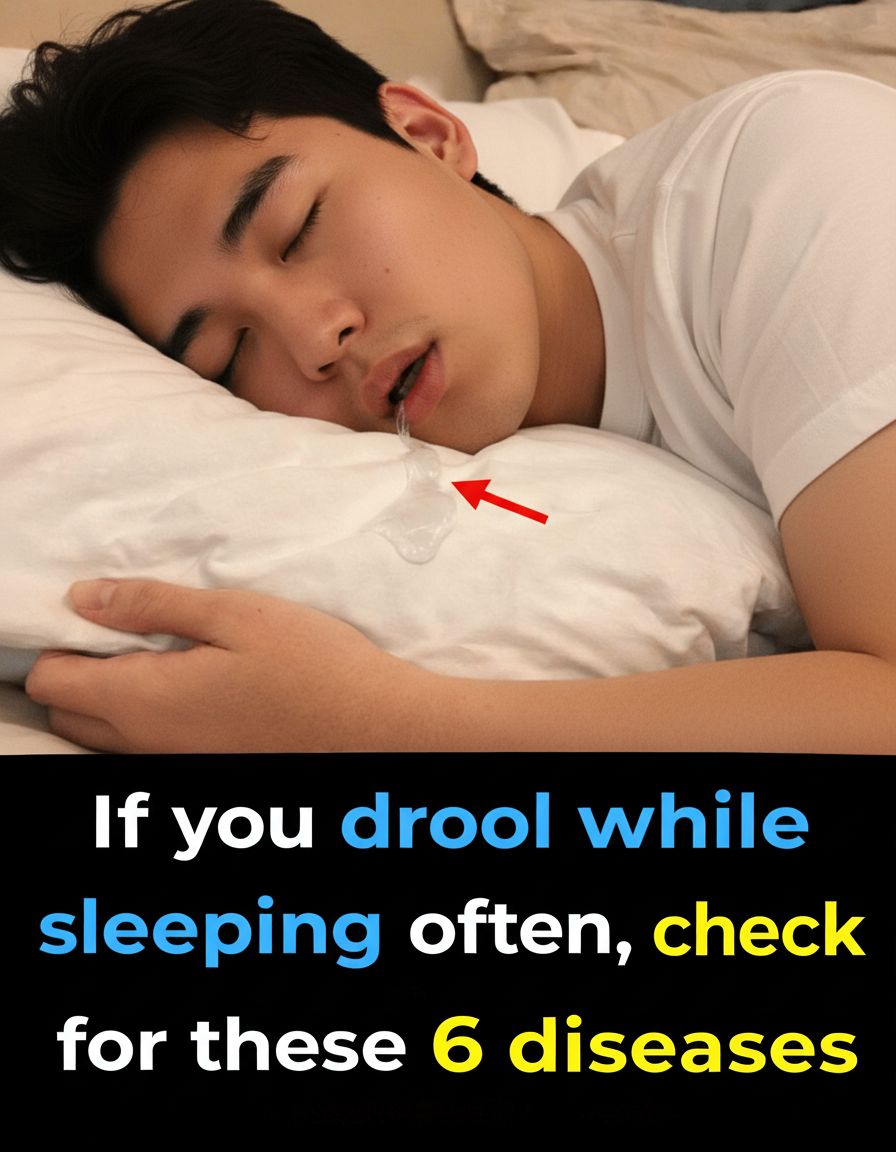
 Discovering a wet pillow upon waking can be an unsettling and often embarrassing experience. While it’s tempting to dismiss it as merely “sleeping soundly,” persistent nocturnal drooling might actually be a subtle indicator of underlying health concerns. This common occurrence, known medically as sialorrhea or ptyalism during sleep, could point to issues ranging from digestive disturbances to respiratory challenges or sinus congestion. The good news is that recognizing these potential triggers empowers you to implement effective strategies. By understanding the root causes, you can take proactive steps to manage excessive drooling, starting tonight. Plus, stick around for one surprising habit at the end that often goes unnoticed.
Why Does Nocturnal Drooling Occur?
Saliva is crucial for numerous bodily functions, including aiding digestion, maintaining optimal oral hygiene, and safeguarding your teeth from decay. While you sleep, your body’s natural swallowing reflex becomes less active. When this reduced swallowing combines with either an overproduction of saliva or simply sleeping with an open mouth, excessive drooling can result.
It’s important to differentiate: occasional drooling is generally benign. However, if you experience frequent episodes of drooling, or notice a sudden increase, particularly when accompanied by other unusual symptoms, it warrants closer examination. Studies in fields like sleep medicine and neurology highlight that alterations in breathing patterns, nerve function, or inflammatory conditions within